



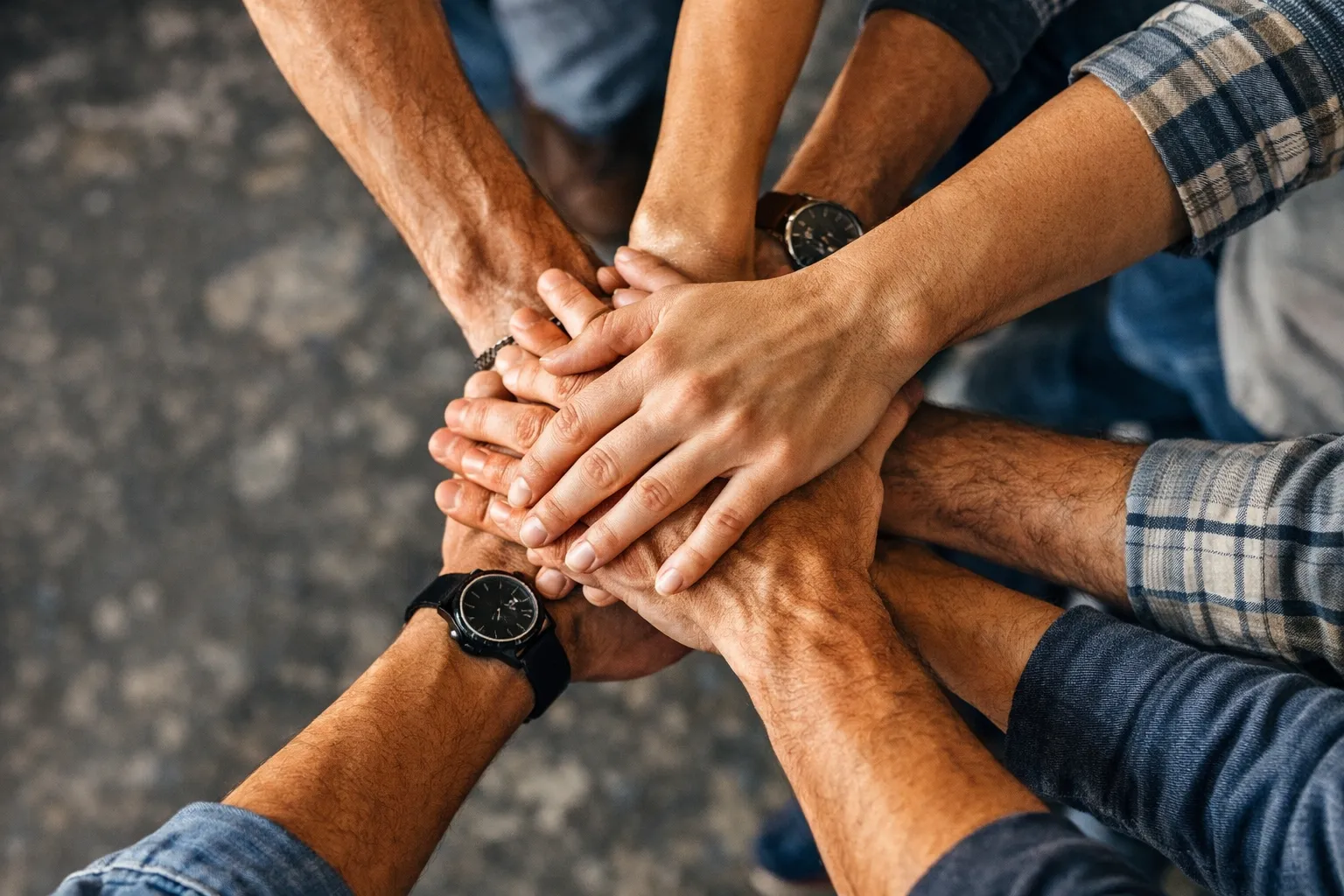

Social health refers to the way you establish and maintain meaningful relationships in your day to day lives. This comes with your relationship at home, in the workplace and within your community. Close ties make one feel that they belong, feel secure and have a purpose. These feelings quietly influence daily choices and moods. When people feel socially supported, they communicate more effectively. They also manage conflict with greater patience and are bolder in asking for help. Social bonds affect not only happiness but also long-term stability.
At Calm Minds Hub, Social Health is represented as a skill. It develops through regular interaction. It is not something that you possess or not. Calling a friend or joining group activities helps build emotional strength. Over time, these small habits can make a big difference. Connection to society assists in learning, responsibility and proper habits. It’s essential for overall well-being, not just a separate concept.
What Social Health Means at Calm Minds Hub and Why It Matters
At Calm minds hub, Social Health relates to trust, communication, and the comfort we feel in our social circles. It is not about the outgoing nature or having numerous contacts. It is concerned with safe, respectful and supportive interactions. This style of doing business acknowledges the fact that the quality of connection is much more important than quantity. Even some of the trustworthy relationships can greatly enhance emotional stability and motivation.
The platform sees Social Health as key to personal growth. It is similar to any self-betterment work, like training the mind or the emotional state. As people improve their social skills, they gain confidence. They also set better boundaries. Plus, they learn to handle stress more easily. Everyday relationships are key. They help career growth. They improve family harmony. They boost mental sharpness. Over time, healthier social patterns reduce isolation and encourage positive behavior changes.
Why Feeling Disconnected Is More Common Today
Social Health is difficult to observe among many people today. Television, distance, and reduced face-to-face communication contribute significantly to this battle. Electronic communication is simple. However, it doesn’t offer the same emotional depth. You miss out on body language and spontaneous chats. In the long run, relationships can feel distant, even though people stay in touch online. The consequence is frequent contact with lesser emotional satisfaction.
Life today makes it hard to have fun social moments. These moments help build our relationships. Long work hours and commuting take up time. Personal duties also get in the way. This makes it hard to socialise informally. Depending on how it becomes a scheduled activity, social time may become another burden. This complicates the natural and constant development of relationships.
How Social Health Impacts Stress, Burnout, and Daily Life
Social health is good in helping individuals to deal with day-to-day stress. It provides emotional release and material assistance. If you have problems, talk to someone you trust. It can help you feel better and find solutions. Individuals who have supportive relationships will also recover more quickly than those who do not. This emotional support system contributes significantly to avoiding burnout in the long term.
Inadequate social connection, conversely, may cause daily troubles to be likened to more weight and to an isolating effect. Without regular social support, stress may last longer and get worse. This may eventually have an impact on sleep, productivity, and general motivation. Regular social interaction helps. It stops emotional pressure from building up in silence.
Common Signs of Poor Social Health You Shouldn’t Ignore
- Feeling tired after most interactions. They don’t feel supported.
- Eschewing social life, including that which was formerly pleasant.
- Experiencing being out of place or not understood during communication.
- Hard to trust other people or always fear being rejected.
- Slow erosion of relationships because of these continued trends.
- There is a thorough dependence on digital communication and the avoidance of face-to-face communication.
- Not experiencing life together and face-to-face communication.
- Development of loneliness with time.
- Less social confidence because of the little face to face interaction.
- Procrastinating little changes until isolation is the new normal.
Health Disparities and Their Impact on Social Connection
The issue of health disparities may influence access to social spaces and community support by people. People with money issues, health problems, or no transport might find it hard to go to social events. It can be hard for them to join in. Such obstacles may decrease the possibilities of contact and augment social seclusion. Over time, a gap in emotional and mental health can grow. This often happens because of limited social access.
Health disparities are essential issues. Social relations are a big source of recovery and sustainable stability. Societies with no safe spaces to meet or affordable health programs tend to experience an increased loneliness rate. Social inequality in mental health outcomes is a common theme in health disparities. Addressing health disparities meaningfully implies improvement of social access.
Barriers That Prevent Healthy Social Interaction
Emotional Barriers and Fear of Rejection: Social anxiety and fear of rejection can cause a social situation to be unsafe. Negative experiences in the past contribute to this feeling. Most of the time, people withdraw when they anticipate judgment. This will prevent the development of relationships and make avoidance a long time habit.
Environmental and Lifestyle Obstacles: Busy schedules make it tough to connect. Limited community spaces also reduce chances for interaction. Cultural differences add to the challenge. Without safe and accessible social settings, even motivated individuals struggle to build connections.
Missing Support for Growth: If emotional and practical barriers are present, just personal effort won’t suffice. To improve social well-being, we must tackle mindset challenges. We also need to create spaces that promote healthy interactions.
Daily Habits That Strengthen Your Connections Over Time
It takes little steps to have a significant impact on Social Health without significant lifestyle changes. Trust can be built up by small habits. Saying thank you is important. Listening closely matters too. Checking in after talks is also key. This type of behavior is suggestive of trustworthiness and emotionality which strengthens relationships in the long term. With time, these tendencies form more social ties.
Shared routines help us connect. This can be weekly calls, group activities, or regular check-ins. Predictable social contact reduces awkwardness and builds comfort naturally. When relationships are part of a daily rhythm, they require less effort to maintain. This consistency helps people feel valued and included over the long term.
Common Myths About Social Health That Hold People Back
One common myth is that Social Health only matters for extroverted or highly social people. As a matter of fact, we all require meaningful association even people who are fond of smaller groups. The other myth is that good relationships are supposed to take place without effort. Practically, to establish healthy connections, one needs communication, time, and patience. There are also individuals who feel that seeking sympathy is a weakness and not an emotionally mature person. This view often makes people struggle to build stronger trust with others. Social growth is similar to any self improvement synonym, involving learning and practice. Letting go of these myths gives people a clearer and more confident view of relationships.
When Calm Minds Hub Recommends Professional Help for Social Health
Calm Minds Hub helps when social health problems get in the way. They support you if work, relationships, or feelings are affected. The feeling of constant loneliness, anxiety towards other people or constant disputes can be a sign of more serious problems. Self-help strategies might not be sufficient in such situations. Professional advice helps find trends. It also builds better social skills.
Past trauma that has an impact on current relationships is also suggested to be addressed with professional help. Counseling or therapy offers means through which one is able to process experiences in a way that influences social behavior. A request for assistance is not a failure but long term personal well-being. In many cases, the preliminary support does not allow deeper emotional isolation.
Final Thoughts
Social health grows from small, steady choices. It comes from valuing real connections in our daily lives, not from big, dramatic changes. When people build trust, they talk openly. They also show their feelings. This makes relationships a source of strength, not stress. Calm Minds Hub’s approach demonstrates that social well-being is a skill. It can be built at any age regardless of your character or experience in the past. Emotional barriers and lifestyle challenges can hold people back. Social habits also play a role. By tackling these issues, people can build better relationships. This helps them feel calmer and more stable every day.
FAQs
What is Social Health in simple terms?
Social health is about how well you connect with others. It includes your communication skills and the support you feel in your relationships at home, work, and in your community.
Can introverted people have good Social Health?
Yes. Social health focuses on the quality of relationships. It’s not about how many friends you have or how social you are. Even a few strong connections can support emotional well-being.
Does Social Health affect mental well-being?
Strong social connections help reduce stress, improve emotional resilience, and lower the risk of long-term loneliness and burnout.