




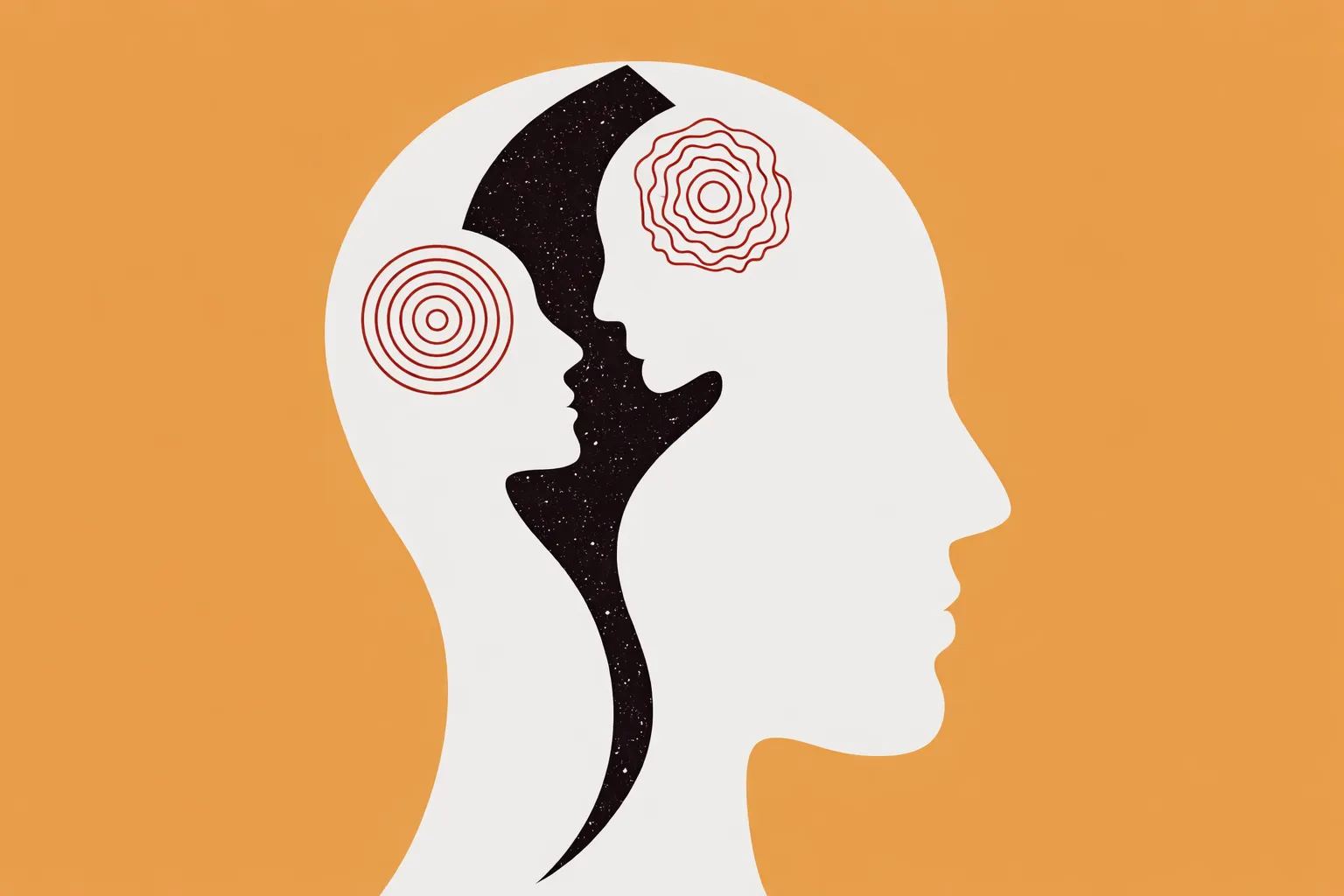

Positive treatment for bipolar disorder is a gentle approach that’s in use. It assists individuals to cope with changes in mood in their day-to-day lives. This is a treatment that is not centered on the symptoms. It enhances the emotional balance, everyday habits, and the resilience in the long-term. At Calm Minds Hub, supportive therapy is here to help people see their mood patterns. It helps them stay balanced through emotional highs and lows. It also offers steady support and guidance. This approach offers a safe space. It combines stability, awareness, and ongoing support to improve well-being.
Mood Cycles and Warning Signs
Mood swings can be high and low, and, thus, the development of the condition needs to be noted. A signifier of relapse can be sleep, energy or attention. This is further enhanced when the stress and blood pressure are raised. Regularly charting moods helps to spot relapse triggers, including slight signs of hypomania.
Types of Bipolar Conditions
Bipolar disorder consists of several episodes: manic episode, depressive episode and mixed episode. These forms vary in their mood, energy and behaviour. They need specific support. Recognising hypomania early helps keep it from getting worse and supports long-term wellness.
How Bipolar Disorder Is Diagnosed
The diagnosis usually begins elusively. It is based on good listening and observing trends rather than being in a hurry to generalize. A skilled mental health technician aids the care team by keeping an eye on mood, sleep, and daily routines. These are observations that are important towards a thorough clinical assessment. This step-by-step diagnostic process uses professional help. It checks for overlaps with anxiety and depression. It also looks at how episodes impact work and relationships. In care settings, clear notes and regular follow-ups play a key role. They assist with early treatment planning. They prevent rushed decisions. They also make sure the person stays informed and supported.
Clinical Evaluation
A clinical evaluation goes beyond just symptoms. It looks at daily behaviours and deeper thought patterns.
It also looks at how we think to see how decisions, feelings, and reactions are connected. Professional direction also makes the assessment accurate, supportive, and balanced.
Tracking Mood Patterns
Mood tracking and mood charting help build strong self-awareness over time. Regular symptom monitoring improves behavioral awareness in everyday situations. This makes early warning signs easier to notice before mood changes become intense.
What Is Bipolar Disorder Supportive Therapy
At Calm Minds Hub, care for bipolar disorder focuses on supportive therapy. Constant support makes individuals deal with their alterations in mood without being pressured. This model integrates supportive counseling and practical psychosocial assistance. It aims to help with routines, manage stress, and improve communication. In real clinical settings, long-term studies show a strong bond in therapy. This holds true, whether moods are high or low. This helps people feel safe in therapy. This encouragement increases the effectiveness of psychotherapy in the long run. When necessary, we can use methods like accelerated resolution therapy. This helps manage emotional distress and keeps the focus on daily activities and emotional balance.
How Supportive Care Helps
At Calm Minds Hub, we focus on emotional support. This helps provide real stress relief during daily challenges. Therapy teaches useful coping methods and improves emotional control. It uses clear, consistent instructions to do this. Through proper stress management, elimination of relapses and quiet supportive atmosphere, individuals eventually re-establish emotional balance.
Role of the Therapist and Care Team
A trained mental health technician partners with experts in mental health and social work. The care team works as a unit, giving expert support and establishing a solid connection. Ongoing patient education and family education help support recovery beyond therapy sessions.
Step-by-Step: Starting Supportive Therapy
Finding the Right Provider
Finding the right support begins with access to care. Free couple therapy options can help ease financial worries. A couple therapy retreat can also offer focused healing in a calm setting. With expert help, community support, and reliable mental wellness services, care feels easier to access and more balanced.
Setting Treatment Goals
Clear direction comes from thoughtful goal setting that matches real needs. Through informed decision making, therapy encourages patient empowerment and steady motivation. This creates personalized care that supports progress without pressure.
Building a Care Routine
Stability comes about as part of routine. Pay attention to a healthy sleeping regimen, frequent dining, and balanced exercises. Adherence to social rhythms helps in routinizing. These patterns eventually become long time healthy habits.
Combining Therapy With Other Treatments
A structured environment supports stronger treatment adherence and better treatment effectiveness. When therapy works alongside other options, integrated care becomes possible. This balance supports long-term stability without confusion or overload.
- Medication support helps people stick to their treatment. It also assists them in dealing with the symptoms and minimizes relapse chances. We also examine physical health, including blood pressure, which is to provide stability in general.
- Scheduled therapy involves easy, time-tested techniques of assisting individuals in making something good. Emotional balance is enhanced by social rhythm therapy, mindfulness and cognitive processing.
- A consistent life helps to relax and enables mental development. This can be done through simple self-employing practices. Supporting daily balance is the exercise, journaling, wellness, sleep control, and consistency of routines, and emotional resilience.
Common Challenges and Real-Life Use Cases
- Problems in social roles and relationships can slow down recovery. They can hurt both how you feel and how well you work.
- Building strong relapse prevention plans using practical prevention strategies to lower relapse risk.
- Handling setbacks with clear crisis management steps and proactive crisis prevention support.
- Strengthening family involvement and caregiver support to improve unhealthy family dynamics.
- Helping couples tackle conflicts, express themselves better, and strengthen their bond. They can choose from retreats and free therapy.
- Assisting parents and teens with counselling and advice on how to find the right anxiety treatment for young people.
- To keep things steady every day, we should improve work and social skills, plus access to support.
- Encouraging long-term growth through peer support and community support networks.
Key Benefits of Bipolar Disorder Supportive Therapy
Treatment of bipolar disorder with supportive therapy may enhance the quality of life. It is useful in establishing a sense of emotional stability, balancing of mood, and attaining consistent improvement over time. It assists individuals to heal as it makes them stabilise their feelings, make clear plans and deal with stress. This builds strength and helps people stay stable over time. It also helps people stick with treatment by keeping them involved and supported. When the community and people with similar experiences lend support, it helps them feel cared for, even beyond therapy.
Final Thoughts
The life of a patient with bipolar disorders is not an easy one. With proper support, it may lead to stability, coherence and sanity. Supportive therapy is not a mere symptom management. It provides a suitable base upon which people experience being heard and being mentored. This will help them to recognize how they feel and respond positively. Given proper care support, and habits, individuals can be in control of their lives. It also improves relations and establishes long term emotional health. With constant and loving care, you may get long-term stability and a meaningful life.
FAQs
Is supportive therapy enough on its own?
Supportive therapy aids in stability and coping. But it works best when combined with medical treatment for bipolar disorder.
How long does therapy usually last?
Therapy duration varies, but many people benefit from ongoing sessions over months or longer to manage mood changes.
Can families be involved in sessions?
Yes, family involvement is often encouraged to improve understanding, support, and relapse prevention.