



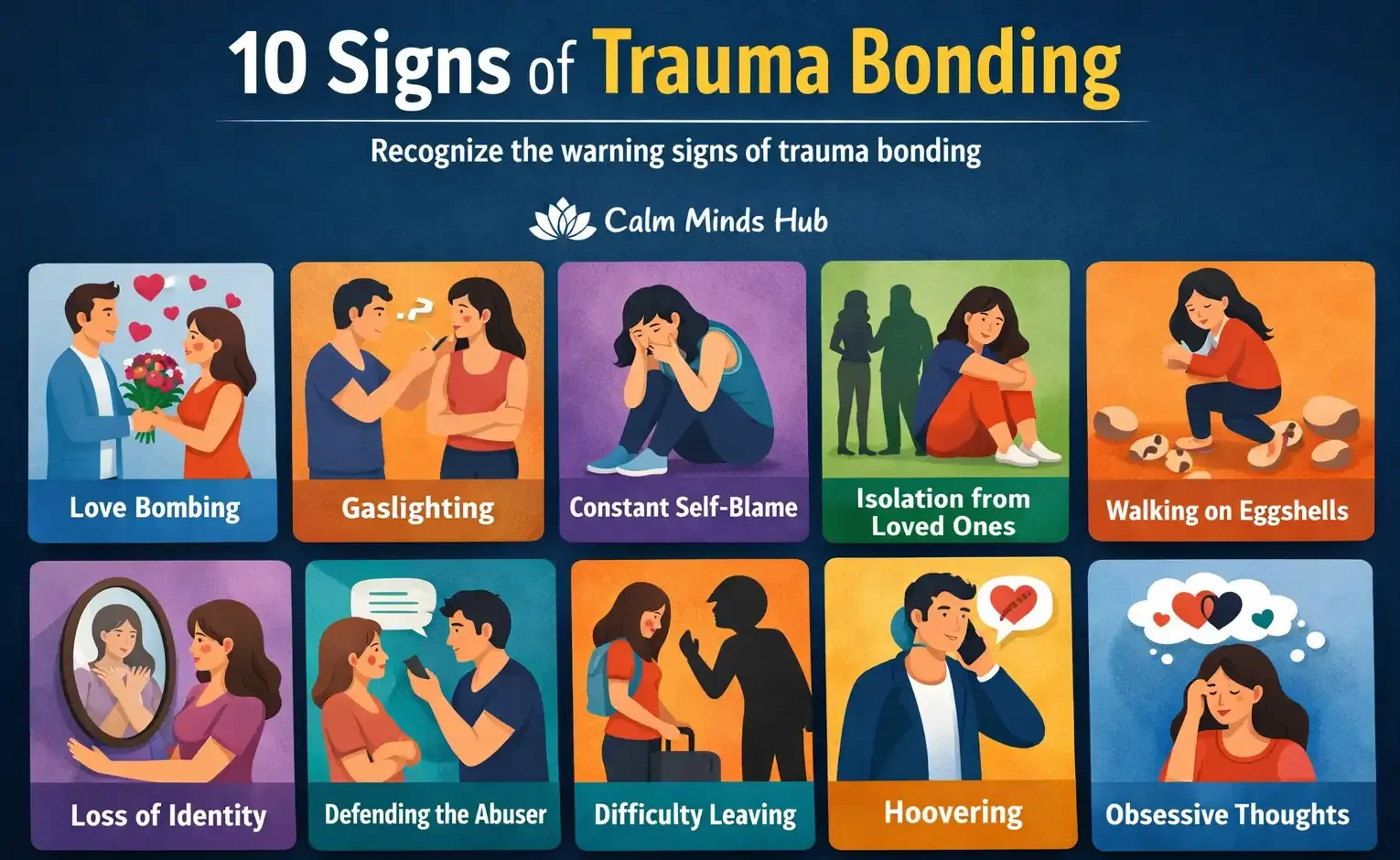

Calm Minds Hub explains that Trauma bonding is a mental process that takes place when an individual gets emotionally attached to the other human being who abuses and mistreats him or her, that is usually in a destructive relationship. This relationship is not founded on them respecting and loving each other, but rather it is a process of love, violence, domination and intimidation. The attachment occurs due to intermittent reinforcement. Good times, love and safety are combined with criticism and abuse. This emotional attachment causes emotional dependence.
Over time, the individual cannot easily overcome the destructive attachment, although the attachment hurts him or her emotionally. When loving someone, dopamine is released into dopamine. It discharges cortisol when in conflict. This brings about addiction cycles. It is through these cycles that we build our connections and become difficult to break.
What Causes Trauma Bonding?
Trauma bonding occurs when a person forms a strong emotional dependence on someone who causes harm, often through a trauma bond cycle. This bond is reinforced by intermittent reinforcement, where moments of affection are mixed with cruelty and abuse. Over time, emotional dependence grows, fueled by fear, isolation and threats.
10 Signs of Trauma Bonding
It is also important to recognize the 10 signs of trauma bonding to realize how trauma bonding affects the life of an individual. Trauma-bonded relationships normally tend to be in the form of an emotional roller coaster for the victim. This cycle can often be alternated between moments of happiness and deep confusion or self-blame. Gaslighting is very critical because the abuser distorts reality and makes the victim question themselves. This results in loss of self-identity and one cannot trust themselves or others.
Love Bombing and Idealization
Trauma bonding starts with love bombing. The abuser gives the victim too much affection. They offer lots of praise and attention. This early stage of idealization in trauma bonding builds a strong emotional bond. The victim feels special and loved. As the relationship goes on, the emotional pull becomes inconsistent. This can lead to emotional manipulation and a harmful attachment. The victim may become dependent on brief moments of affection. This cycle of thinking things are perfect and then feeling let down can leave the victim confused. They may also feel emotionally unstable.
Gaslighting and Confusion
Gaslighting is a powerful form of manipulation commonly seen in trauma bonding. The abuser twists reality. This makes the victim question their own thoughts and feelings. As a result, deep confusion sets in. This tactic often relates to narcissism. It leads to self-blame, making the victim doubt their actions. This worsens the emotional ups and downs in the relationship.
Constant Self-Blame
Constant self-blame is a key sign of trauma bonding. Victims often feel they are to blame for the abuse. Emotional manipulation from the abuser makes them internalize guilt and shame. They believe they deserve the mistreatment. Self-blame can leave deep emotional scars. It may also worsen psychological wounds, leading to complex trauma and PTSD. Trust in oneself often takes a big hit. At Calm Minds Hub, we know it’s hard to escape these cycles. Recognizing the emotional ups and downs is the first step toward healing.
Isolation from Loved Ones
Isolation from loved ones shows trauma bonding. The victim pulls away from family. They also distance themselves from friends. The abuser manipulates social withdrawal. They create fear of leaving the relationship. They also make the outside world seem unsafe. Emotional withdrawal builds over time. This increases dependence, trapping the victim deeper in a toxic cycle. They find it harder to seek support or break free from the trauma bond.
Walking on Eggshells
In trauma bonding, victims feel like they are walking on eggshells. They are always on edge because their abuser’s behavior is so unpredictable. The constant tension and anxiety in trauma bonding keep the victim in a state of hypervigilance, always anticipating conflict or withdrawal. This creates a cycle of self-blame, making it difficult to break free from the grip of trauma bonding. At Calm Minds Hub, we help people see these patterns. Then, they can start taking control of their lives again.
Loss of Identity
Trauma bonding can cause a loss of identity. Individuals may lose their sense of self in an unhealthy relationship. This occurs when emotional dependence on the abuser outweighs personal values. Self-worth becomes tied to the abuser’s approval. Victims often feel self-blame and low self-esteem. This makes it harder to see the trauma bonding cycle and to reclaim their true identity. It’s important to know that losing self-identity is a key part of complex trauma. Recovering involves self-reflection and rebuilding confidence.
Rationalizing or Defending the Abuser
Rationalizing and defending the abuser are frequent in trauma bonding. Victims tend to downplay the abuse. They believe the bond comes from stress or outside issues and that the abuser cares. This response helps them deal with emotional pain but also tightens the bond, trapping them further. The abuser’s manipulation leads victims to feel responsible for the abuse, making it harder to break free.
Difficulty Leaving the Relationship
Calm Minds Hub understands that leaving a relationship with trauma bonding is incredibly difficult. The emotional addiction grows stronger over time. This makes it even tougher to escape. Even when victims recognize the damage caused, difficulty leaving persists, often fueled by fear of change and uncertainty. Trauma bond withdrawal causes deep longing and confusion. It can make recovery feel very hard. Getting trauma bonding treatment and seeing a therapist is key. It helps you face these challenges and start your recovery journey.
The Abuser “Hoovers” the Target
Hoovering occurs in trauma bonding in an effort by the abuser to lure the victim back. They exploit emotional gimmicks in controlling the victim. This strategy tricks upon his or her emotional dependency and emotional attachment and makes the victim feel that the abuser has changed or is actually concerned. The cycle of trauma bonding always makes the abuser hoovering very confusing as it brings back the past of a sense of hope. This control guarantees that the victim is tied up in the abusive relationship in a constant struggle to fight fear and doubt whether to leave it permanently.
Constantly Thinking About Them When the Relationship Ends
After a relationship ends, trauma bonding can keep the victim stuck in thought. The emotional attachment often lasts well beyond the breakup. This emotional withdrawal is part of the trauma bond process. The victim feels torn. They want to heal, but they also feel the urge to return to the abuser. The fear of reconciliation can make it difficult to move forward, perpetuating the trauma bond cycle. Understanding that this emotional tug is part of the healing journey is crucial for beginning the path to trauma recovery.
How Trauma Bonding Affects Mental Health
The mental health of trauma is profoundly influenced. It has emotional and psychological scars that cannot be healed in years. The victims usually may have post-traumatic stress, depression and dissociation, intrusive memories and flashbacks that may interfere with normal lives. Trauma bonding brings chronic self-doubt and low self-esteem. It also results in the evasion of relationships. Such trends may aggravate more complicated trauma and PTSD. Throughout the period, the survivors need to depend on coping strategies to cope with their survival reaction and start the lengthy journey to trauma bonding recuperation.
Trauma Bonding Treatment
In the case of trauma bonding, the recovery of trauma bonds takes time, encouragement and the appropriate attitude. Trauma bonding therapy assists individuals in getting out of their abuser. It includes approaches such as CBT, EMDR and Schema Therapy. A trauma bonding therapist assists you in forgetting trauma bonds. They employ such tools as mindfulness, journaling and self-care. Such approaches facilitate permanent recovery. One should seek the appropriate emotional healing support groups. They provide useful insights. They also give you a helping hand as you recover trauma bonds.
Conclusion
Healing from trauma bonding is a journey that requires time, support and self-compassion. Recovery is possible when you embrace the process of building self-worth and self-trust through practices like mindfulness, journaling and therapy. At Calm Minds Hub, we believe in fostering emotional healing and guiding you through the steps toward trauma recovery, helping you break free from toxic cycles and rediscover your inner strength.
FAQs
How do you tell if someone is trauma-bonded to you?
A trauma-bonded individual tends to justify the abusive behavior, has difficulties with boundaries and is emotionally addicted even after being abused.
How to heal from trauma bond?
Healing is a process that should be done with the recognition of the trauma, setting boundaries, therapy and self-care activities such as mindfulness.
How do you break a trauma bond?
Breaking a trauma bond requires recognizing the unhealthy attachment, setting boundaries and seeking support to detach safely.