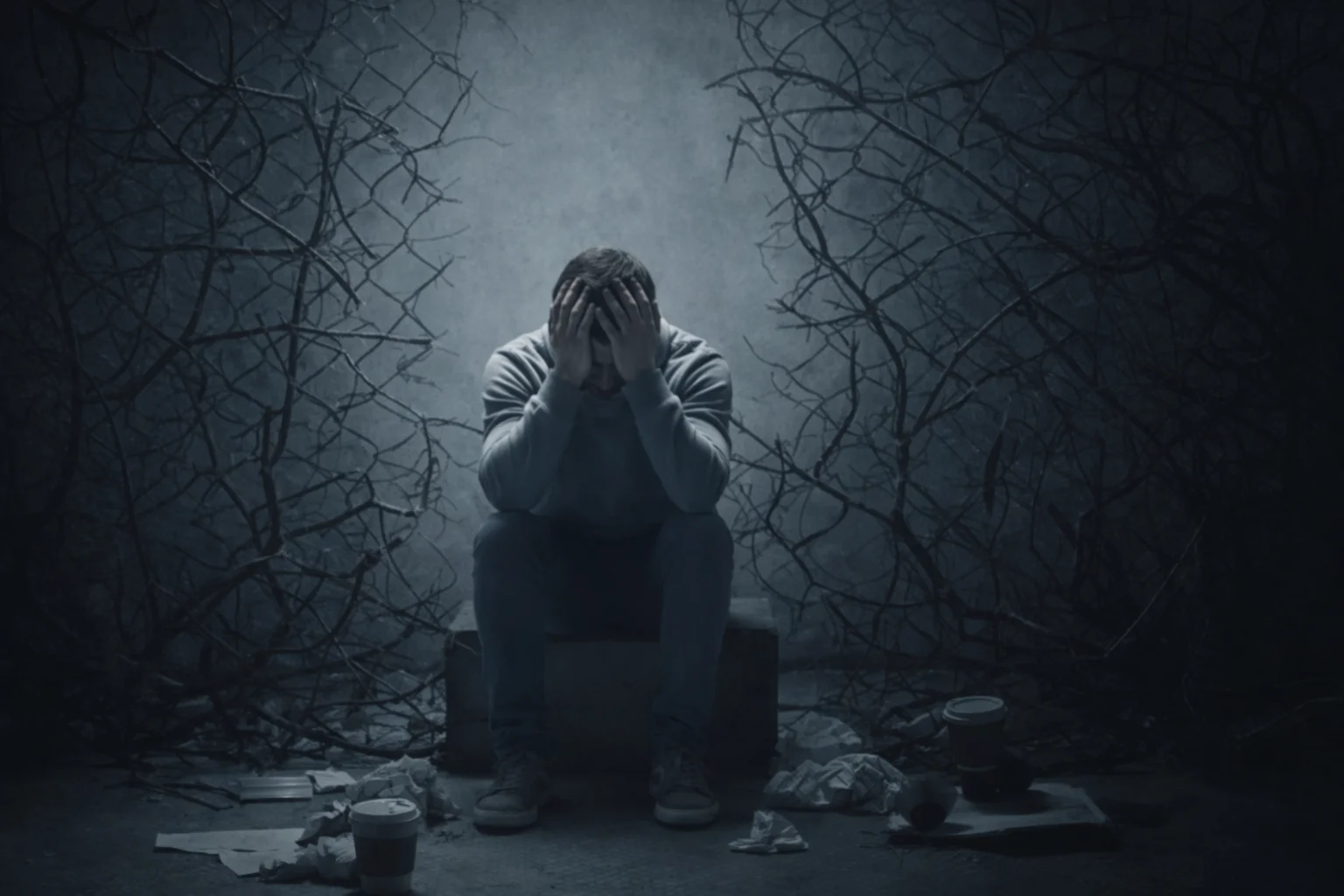






Claustrophobia is a great fear of enclosed places. It has an impact on millions of people worldwide and may interfere with normal life. To individuals who have this phobia, nothing can be small to make them experience big anxiety. Spending time in an MRI machine or inside a small room may cause panic. We understand how deep the impact of claustrophobia may be on the quality of life of a person at Calm Minds Hub. Our goal is to provide you with actionable answers and professional knowledge. That will make you get rid of fears and regain control over your life.
What is Claustrophobia and How Common Is It?
Claustrophobia is an apprehension disorder and is categorized as a specific phobia. It is an unreasonable fear of enclosed or small spaces, In situations where it can be hard to escape, learning how to overcome claustrophobia can help regain control. Claustrophobic individuals always experience a number of symptoms. They may feel panic. They may even experience physical pain. This may occur in narrow areas, such as lifts, tunnels or overcrowded rooms.
Is Claustrophobia a Disability?
In some instances, claustrophobia can be regarded as a disability. ICD 10 is a system that is applied by health professionals all over the world. It categorizes claustrophobia as a specific phobia (F40.8). It may be the cause of significant distress in the extreme cases. This renders individuals unable to handle day to day circumstances. This illness can be considered a disability benefit. This is because it is particularly so in case it greatly reduces your quality of life or social or work life.
Understanding the Medical Condition
Claustrophobia is a psychiatric condition that mental health experts identify. Being afraid of being trapped is the primary problem. The symptoms usually resemble other anxieties. These are surging heart rate, perspiration, trembling, and dread. Claustrophobia is not a one time problem, it is a medical condition that may lead to long term consequences on mental health.
Recognizing the Signs and Symptoms of Claustrophobia
The effects of claustrophobia are different, depending on the magnitude of the disorder. The exposure of people to enclosed spaces usually causes them to feel more anxious. Claustrophobia may also be manifested in some signs that include:
- Claustrophobia in MRI Machines: A significant number of individuals experience extreme fear when they get inside an MRI machine. Claustrophobia due to being locked up in a small area over a long time may result in panic attacks, dizziness and difficulty breathing.
- Physical Symptoms: These consist of sweating, shaking, chest tightness, quickening of the heartbeat, and chills. People can even experience the feeling of being choked or nauseated.
- Emotional Symptoms: Claustrophobia tends to cause severe fear and a great feeling of dread. People can experience the loss of control or the onset of an anxiety attack.
Exploring the Root Causes and Risk Factors of Claustrophobia
Claustrophobia has a complicated etiology. A number of reasons contribute to its development. Some of the major triggers and risk factors are:
Traumatic Events
A number of claustrophobic people have undergone a traumatic experience, which could be a form of being locked or confined in a small place. This may cause the emergence of the fear of being imprisoned.
Childhood Exposure
Claustrophobia may also be caused by early childhood experiences. As an illustration, when a child is locked in a closet, it is frightening. When they have a poor experience in a small space, that will also make an impression. This may result in a phobia in adulthood.
Genetic Factors and Brain Chemistry
Claustrophobia can be predisposed by genetic factors and faulty brain chemistry. Amygdala is a section of the brain that regulates emotions such as fear. It helps in evoking anxiety in narrow areas.
Enclosed Spaces and Overstimulation
The phobia of an enclosed space is usually associated with the increased level of fear in extreme cases. People who are claustrophobic can become panicked by being trapped in a tiny lift, or even a train which is extremely crowded.
Effective, Evidence Based Techniques for Overcoming Claustrophobia
People who want to know how to Overcome Claustrophobia should use evidence based methods to address the issue. Fortunately, there are several strategies that have proven to be effective.
- Cognitive Behavioral Therapy (CBT)
- Exposure Therapy
- Relaxation Techniques
Cognitive Behavioral Therapy (CBT)
Cognitive Behavioral Therapy (CBT) has been identified as one of the most effective cures of claustrophobia. It is aimed at the identification and challenges of negative thoughts in relation to fear and anxiety. Those who wish to minimize their phobia can do this by transforming the negative thoughts that they have into healthier ones. This can happen step by step. CBT assists individuals in identifying unreasonable beliefs. As an illustration, one may think that being confined in a small space will cause him/her to die or go out of control. Sessions are administered by a trained therapist. They aid individuals in the transformation of unrealistic thoughts. This is more effective in controlling emotions. CBT is most effective when it is administered by a licensed therapist. These professionals will be able to give the required feedback and help. It is essential to seek the assistance of a therapist in order to identify triggers. They also ensure that the treatment is done at an appropriate speed.
Exposure Therapy
The exposure treatment assists individuals in confronting their fears. This is done at a leisurely and risk free pace. The process is controlled. The aim is to make the individual less sensitive to the stimulus that causes the anxiety ,thereby lessening the level of fear. In the case of claustrophobia, exposure therapy begins by making the victim visualize a narrow place. This may take the form of a small room or an elevator. In the long run, the individual is advised to slowly confront real life situations. As an example, they may be sitting in a confined area in short durations. Anxiety levels are expected to decline with every exposure. Exposure therapy takes place at its best when done with relaxation. In Calm Minds Hub, we would recommend mindfulness and deep breathing exercises during exposure sessions. This will be able to achieve improved outputs.
Relaxation and Breathing Exercises for Instant Relief
In the case of claustrophobia, relaxation exercises should be used. Breathing can help, too. Both are fast acting anti anxiety agents. One of the most effective and easy methods of dealing with anxiety is deep breathing. Individuals can diminish the manifestations of anxiety physically by concentrating on slow and deep breathing. This will assist in such symptoms as rapid heart rate and shallow breathing. Mindfulness and meditation are other methods that would allow individuals to remain composed in situations of anxiety. It helps to concentrate on the present. It can also be useful with the help of calming pictures. This is able to minimize panic among claustrophobic individuals.
Practical Coping Strategies for Managing Claustrophobia in Daily Life
Other than therapy, simple measures can be used to assist individuals with claustrophobia. These can simplify life. They should be taught to be able to identify triggers and build coping strategies to control claustrophobia. Coping skills can be used to mitigate the level of fear whether it is avoidance of those situations that cause panic or preparation for an MRI scan. Lifestyle change and support groups would also be useful to the claustrophobic. Mental health care absolutely requires exercise, a healthy diet and sleep as its key elements. With the decrease in the level of anxiety in general, people can discover that their phobia is easier to manage.
Virtual Reality and Guided Imagery Techniques by Calm Minds Hub
Calm Minds Hub provides new solutions. We resort to virtual reality and guided imagery. These assist individuals in conquering claustrophobia. These methods assist the users in experimenting with confined space simulations. They do this in a safe way. This assists users in gradually overcoming their fear. Virtual reality provides a safe environment where individuals can confront their phobias. This will assist them in developing coping mechanisms and reducing their anxiety. Guided imagery helps too. It employs imagery to form relaxing and tranquil images.
Final Thoughts
Overcoming claustrophobia is possible with the right tools, techniques, and support. People can reduce the phobia’s effects on their lives. They can try exposure therapy. Cognitive behavioural therapy is another option. Relaxation exercises can also help. If you have claustrophobia, talk to a mental health expert or check out Calm Minds Hub for more resources.
FAQs
What is Claustrophobia?
Claustrophobia is the fear of confined spaces, often leading to panic attacks and anxiety. It is also a great fear of enclosed places.
Can Claustrophobia Be Treated?
Yes, claustrophobia can be treated. There are several therapies for it. These include exposure therapy, CBT, and relaxation techniques.
How to Overcome Claustrophobia?
To fight claustrophobia, see a therapist. Use exposure therapy. Relaxation techniques can help. Try deep breathing. Mindfulness is useful, too.