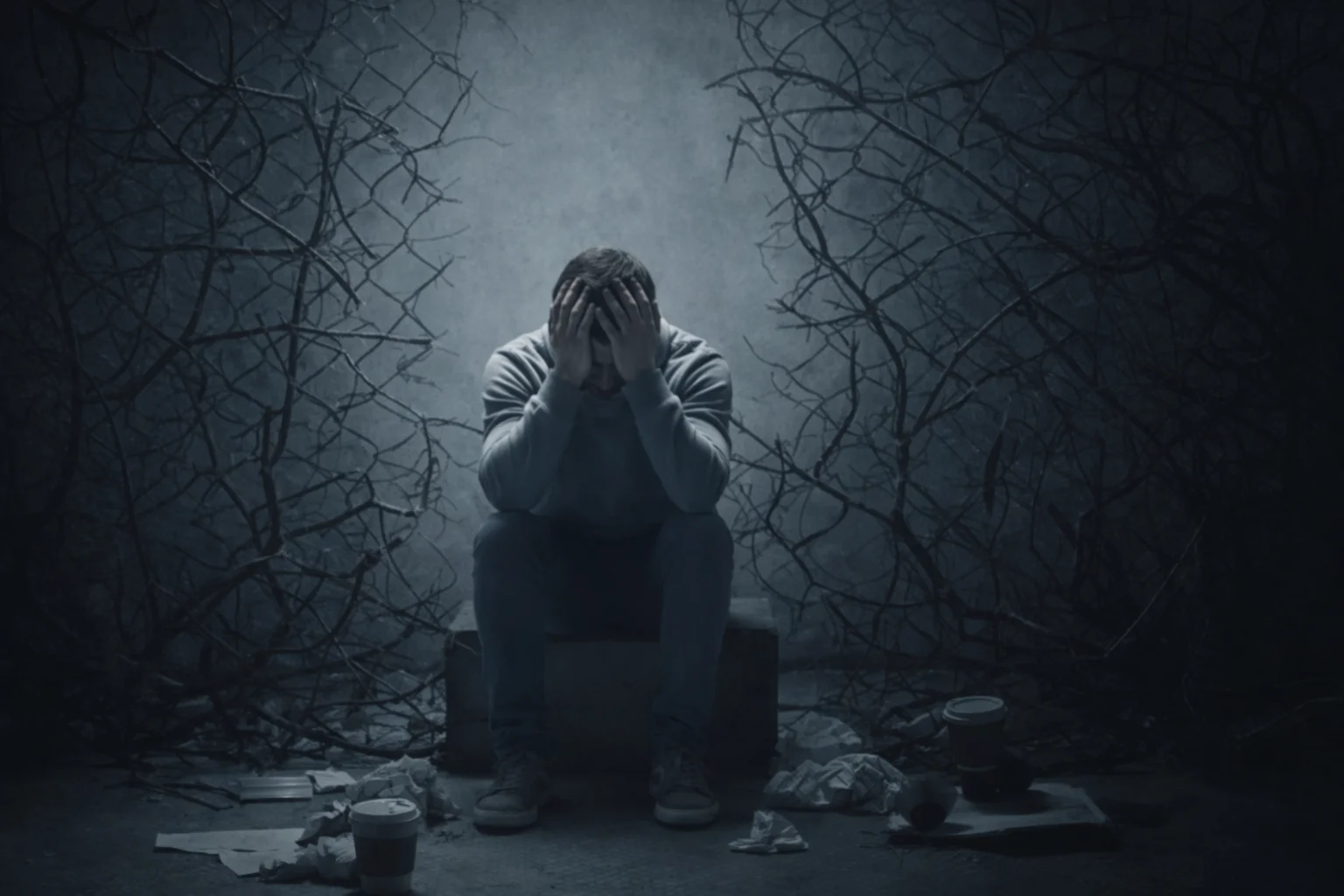
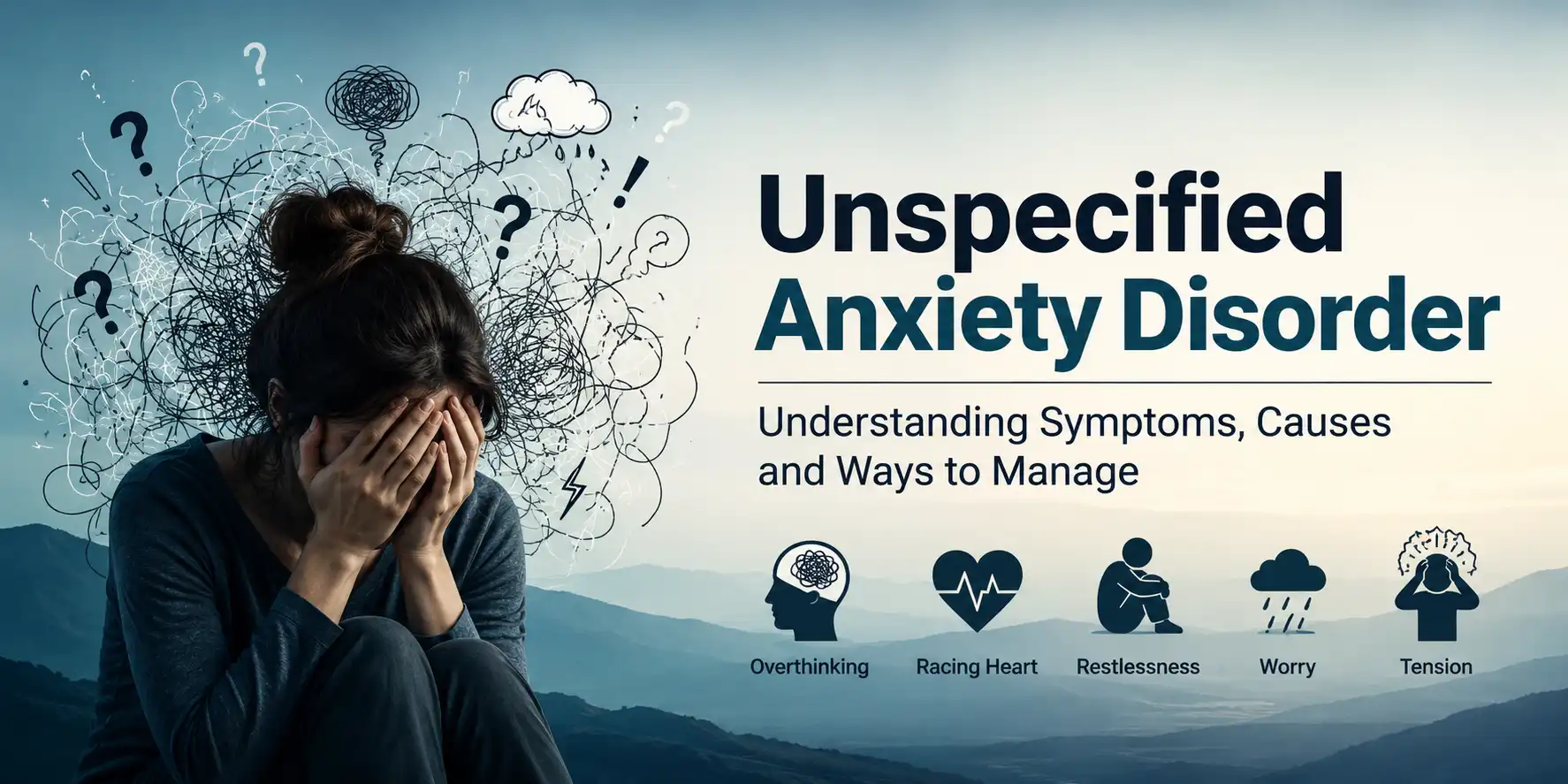

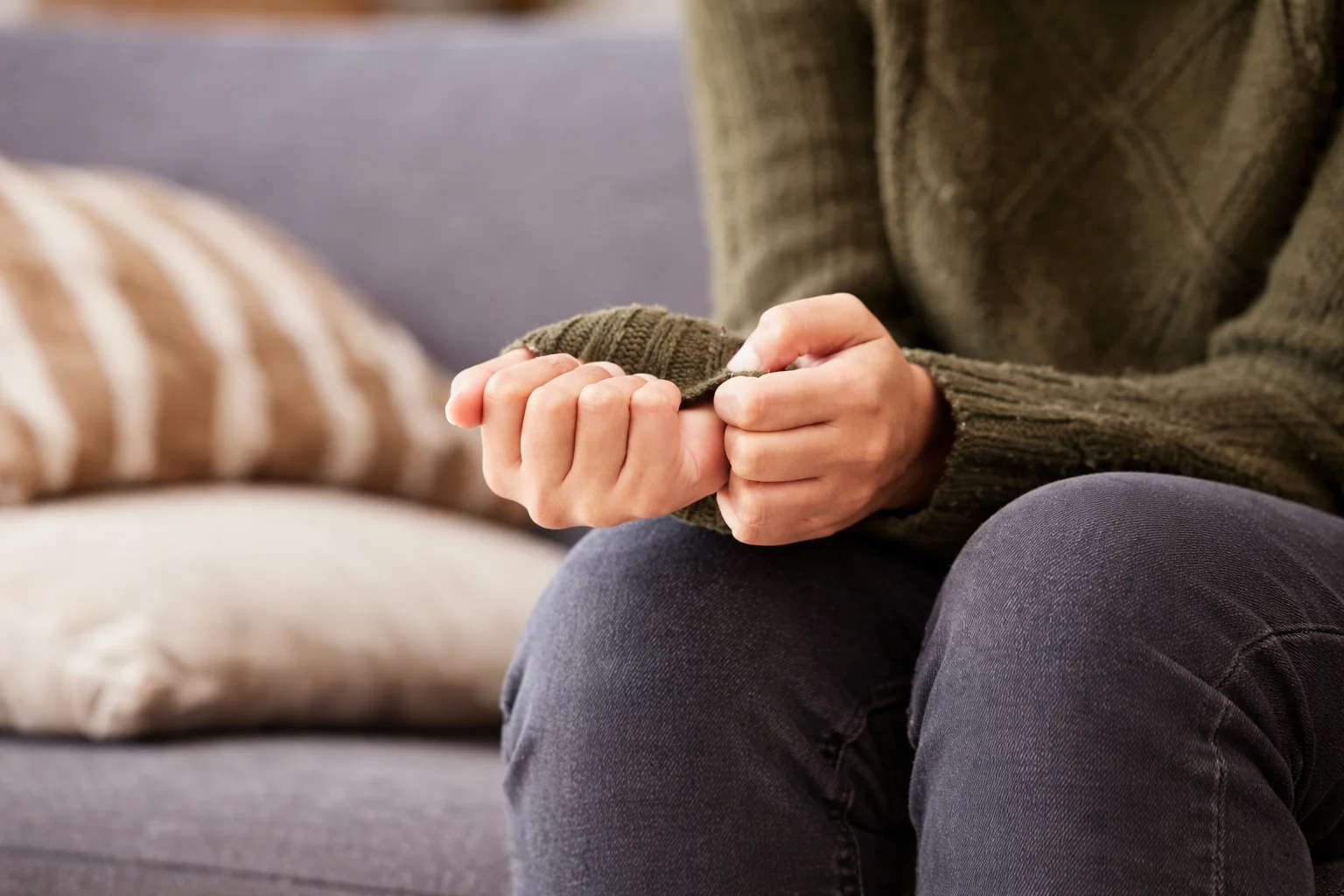

Shaking of anxiety occurs when the body begins a fight or flight mechanism. Adrenaline is released. This makes the muscles tense. To cope with this, people resort to relaxation methods and stress coping methods. Anxiety Trauma Counselling is intended to assist in these symptoms. It uses practical methods. You get tools for quick relief. It also supports long-term emotional control. At Calm Minds Hub, readers get useful tips on relaxation. These tips help with anxiety and emotional control.
Immediate Ways to Stop Anxiety Shaking
Anxiety is indicated by trembling hands and shaky legs. This is associated with an excitable nervous system. Firstly, learn to prevent anxiety by shaking by learning how your body responds. When adrenaline is emitted, your heart rate increases, and your muscles become tense. Calm Minds Hub provides a fast means of feeling good. It assists in relaxing and preventing tremor. It assists in relaxing and preventing tremor. Start by looking at the fight or flight response. Simple actions interrupt this cycle effectively. These methods provide fast shaking relief without delay.
1. Deep Breathing Exercises
The breathing exercises relax the nervous system by setting up the relaxation response. Diaphragmatic breathing is beneficial in controlling the breath. 4- 7-8 breathing also does the same. Both slow your breath. Calm Minds Hub emphasizes the mind body relationship as a way of addressing anxiety shaking. The slow breaths help to lower physiological responses, which are associated with stress. Faster relaxation and reduced body tension is observed by practitioners. These should become an integral part of the routine as it will be of long-term use.
2. Progressive Muscle Relaxation (PMR)
Progressive muscle relaxation (PMR) targets body tension through deliberate tension release. This technique tenses muscle groups. Then, it relaxes them. It helps focus the mind. It also gets you moving. Anxiety, trauma and counselling see PMR as a key way to calm down. It helps manage physical reactions. Begin at the toes and progress upward in an organized manner. Each cycle eases muscle relaxation and emotional control. Regular use builds resilience against uncontrollable shaking anxiety.
3. Engage in Physical Movement
Exercise helps beat anxiety. Anxiety can cause adrenaline rushes. Exercises like jogging, walking, and stretching ease muscle strain. They also help reduce stress. The nervous system benefits from this response. Calming techniques through physical activity enhance overall control. Make it a habit for sustained shaking relief.
4. Hold Something Cold
An ice pack or cold object delivers instant stress relief via cold sensation. This interrupts the nervous system’s anxiety signals effectively. Calm Minds Hub suggests a calming method. It helps with shaking due to anxiety. It helps with shaking due to anxiety. Press it to your hands or neck for rapid effect. The shock distracts from fight-or-flight escalation. Pair with breathing for amplified results.
5. Drink Water and Stay Hydrated
Hydration stabilizes the physiological response during anxiety episodes. Water counters the body’s preparation for stress, supporting nervous system balance. Anxiety Trauma Counselling Depression advises sipping steadily for calming techniques. Dehydration worsens shaking from anxiety, so prioritize intake. Keep a bottle handy for immediate access. This basic step enhances all other strategies.
6. Use the 5-4-3-2-1 Grounding Technique
The grounding technique, e.g. 5-4-3-2-1, places the focus on anxiety stimuli. Distraction, stress relief 5 Names of the objects you see, 4 you touch, 3 you hear, 2 you smell and 1 you taste. Anxiety, trauma and counselling promote this for emotional response management. It anchors users in the present, easing uncontrollable shaking anxiety. Practice builds quick recall under pressure. Combine with physical movement for deeper calm.
7. Reduce Stimulants Like Caffeine and Sugar
Caffeine and sugar can make you feel more anxious. They increase cortisol levels. This overstimulates your nervous system. Cutting them prevents the body’s reaction from intensifying shaking from anxiety. Anxiety Trauma Counselling Depression urges moderation for sustained control. Opt for herbal teas instead. Track intake to spot patterns in body shaking anxiety. This tweak yields noticeable shaking relief over time.
Long Term Solutions for Managing Anxiety Shaking
Managing anxiety shaking requires building emotional resilience beyond quick fixes. These foster mental wellness and trigger management. Shift from reactive to proactive anxiety management. Consistent practices reduce anxiety. Invest in strategies for enduring relief.
Therapy for Anxiety Management
Therapy for anxiety, especially cognitive behavioural therapy (CBT), rewires thought patterns. CBT helps manage anxiety well. This is what Anxiety Trauma Counselling Depression says. Professional support from mental health professionals builds emotional resilience. Sessions target the root causes of shaking relief needs. Track progress with a therapist’s guidance. Many report fewer episodes after commitment.
Medication for Anxiety Relief
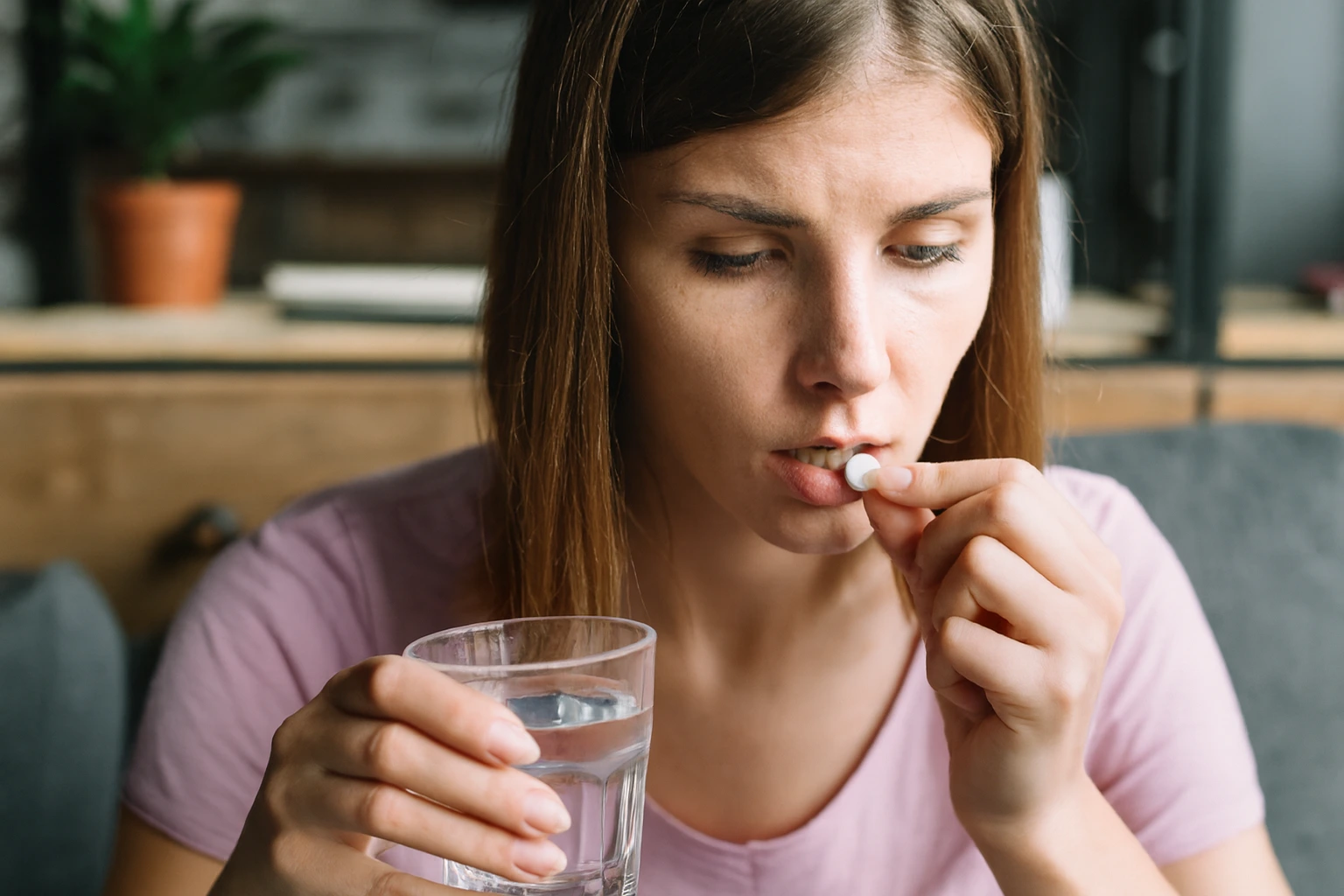
Anxiety medication, prescribed by healthcare providers, offers anxiety relief for persistent cases. Medication for anxiety balances brain chemistry, complementing other anxiety treatments. Anxiety, Trauma Counselling Depression connects clients to medical attention options. Consult professionals before starting. It pairs well with therapy for comprehensive care. Monitor effects closely for optimal results.
Ketamine Therapy for Severe Anxiety
Ketamine therapy is a hopeful option for severe anxiety. It works when standard treatments fail. This professional treatment, available via healthcare providers, targets anxiety assessment deeply. Anxiety Trauma Counselling Depression explores it for those seeking advanced anxiety relief. Administered in controlled settings, it resets neural pathways. Discuss suitability with experts first. Outcomes often include rapid symptom reduction.
Mindfulness and Meditation
Mental wellness is developed through mindfulness and meditation, which deal with symptoms on a daily basis. These activities improve the emotional stability and psychological strength against anxiety tremors. They are incorporated in holistic plans by Anxiety Trauma Counselling Depression. Take 10 minutes to begin with. Pay attention to breath in order to shut the mind. Benefits compound over weeks.
Seeking Professional Support
Professional support from mental health professionals ensures tailored anxiety management. Mental health support addresses anxiety symptoms comprehensively. Anxiety Trauma Counselling Depression stands ready with expert therapy and resources. Reach out early for guidance. Combine with self-help for the best outcomes. Prioritize mental wellness proactively.
Breathing Exercises for Instant Calm
Breathing exercises reset your nervous system. Try diaphragmatic breathing. Box breathing works too. 4-7-8 breathing is also effective. They all work fast. They promote stress relief, mental focus, and calming techniques. Anxiety Trauma Counselling Depression teaches these for reliable calm. Rotate methods to avoid routine fatigue. Practice in low-stress times for mastery. They shine during high-tension moments.
Diaphragmatic Breathing
Diaphragmatic breathing engages the belly for deep breathing and relaxation techniques. Slow breathing activates the relaxation response effectively. Anxiety Trauma Counselling Depression favour it for breathing exercises. Inhale deeply through the nose, expand the diaphragm, then exhale slowly. Feel tension melt away. Use anytime for quick resets.
Box Breathing
Box breathing follows a 4-second inhale, hold, exhale, hold cycle. This breathing exercise soothes the nervous system reliably. Anxiety Trauma Counselling Depression recommends it for deep breathing needs. Visualize a square to guide timing. It steadies heart rate swiftly. Ideal for pre-event preparation.
4-7-8 Breathing
4-7-8 breathing involves a 4-second inhale, a 7-second hold, a 8-second exhale. Breathing control through this method fosters relaxation deeply. Anxiety Trauma Counselling Depression uses it in sessions. Purse lips on exhale for control. Repeat a maximum of 4 cycles. It curbs adrenaline surges fast.
Laughter as a Stress Reliever
Laughter as a stress reliever boosts emotional health naturally. It counters anxiety relief needs with calming techniques and mental wellness gains. Anxiety Trauma Counselling Depression encourages light-hearted activities. Watch comedies or share jokes. Endorphins flood, easing tension. Simple yet powerful for daily use.
Their specialized services in anxiety, Trauma Counselling, and depression provide comprehensive support. Clients access therapy, medication guidance, and innovative options like ketamine therapy. Book a session at Calm Minds Hub today.
Final Thoughts
Anxiety shaking needs quick fixes. It also needs ongoing efforts. Anxiety, Trauma and Counselling Depression points this out. They understand anxiety management. They know shaking relief and calming techniques. This helps people deal with stress. These tools are breathing exercises and therapy. They make tough moments easier to manage. Make long term resolutions such as mindfulness or Trauma Counselling of depression related triggers. Anxiety Trauma Counselling Depression offers a service. It lowers anxiety. It helps with emotional stability. Start your journey toward lasting calm today.
FAQs
What causes anxiety shaking?
Anxiety shaking comes from the body reacting to anxiety triggers. When faced with stress, the body releases adrenaline. This can lead to muscle tension and an overstimulated nervous system.
Is therapy effective for uncontrollable shaking anxiety?
Yes, CBT helps. Support from Anxiety Trauma Counselling Depression builds emotional strength. This is key for shaking episodes.
Do stimulants worsen anxiety symptoms?
Caffeine and sugar heighten cortisol levels, intensifying body shaking anxiety and physiological responses.