


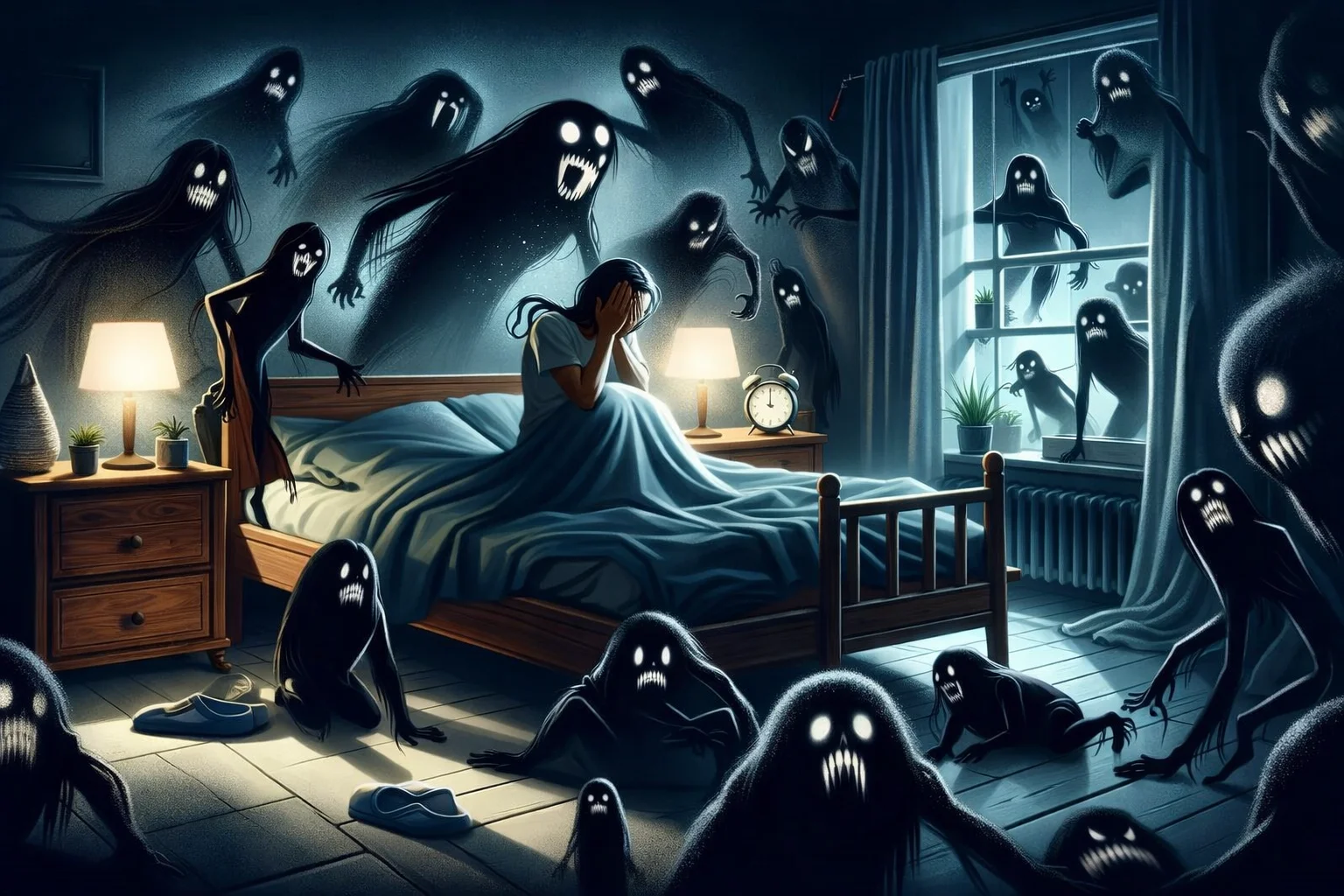

The fear of sleep is a problem that many people have and tends to result in sleep anxiety and sleep fear. Somniphobic people tend to have an immense fear of sleep. They are afraid of the unknown and develop concerns about such things as sleep paralysis. This anxiety can be physical, which results in increased heartbeats, tense muscles and thoughts. CBT (Cognitive Behavioural Therapy) is a good solution to get out of the cycle of fear. Therapy for sleep anxiety helps people change their thoughts. It also helps with fears. The programs teach relaxation techniques. They focus on calming bedtime routines. Deep breathing exercises are included too. These steps offer therapy support. They help people slowly rebuild trust in sleep. This change turns bedtime from something scary into a calm, restful time. CBT targets the root causes of anxiety and sleep issues.
This helps people build better sleep habits and boosts their mental health. With regular therapy and support, facing this becomes possible. This leads to more restful and refreshing nights. For more insights and guidance, Calm Minds Hub is the best to understand how to manage and overcome the this effectively.
What is the Fear of Sleep and Why Does It Affect Your Health
Fear of sleep is not a mere mental barrier, but rather a physiological phenomenon that has a close relation with the way the brain reacts to perceived danger. In the initial case, the production of cortisol and adrenaline in the body is due to the lack of safety in sleep, which leaves the mind alert rather than relaxing to sleep. This increased vigilance may result in anxiety about sleep. It may also bring about racing thoughts where the body finds it difficult to relax. These fears may be real and overwhelming to those who have to deal with somniphobia. Emotional reactions are exacerbated by strong emotions in the brain. Fears and sleep paralysis are even more frightening. These are the physiological and emotional processes that lead to the anxiety cycle which may interfere with sleep. The fear of sleep can be overcome through understanding the science of this.
The Science Behind the Fear of Sleep
There are various classifications of sleep related fears, which include fear of going to sleep, fear of sleep paralysis, and general sleep anxiety. These phobias are usually a result of somniphobia which makes one experience panic and tension during the time of bed. There are those with sleep paralysis. They are trapped within the bodies when they open their eyes. This complicates their fear even more. Body tension or a feeling that it is not safe to fall asleep may also be caused by mental health challenges, including trauma or stress. These conditions may result in persistent sleep disorders due to fear. This deprives you of having a good night’s sleep and it is detrimental to your health. Being aware of these fears and how to address them can help people have faith in sleep once again. Calm Minds Hub has valuable advice on how to deal with those problems.
Common Types of Sleep Related Fears
- Fear of sleep: One of the most frequent fears, which leads to anxiety at the time of bedtime.
- Fear of sleep paralysis: This implies the fear of becoming trapped in your body when changing sleep. It is usually accompanied by terrifying hallucinations.
- General sleep anxiety: Fear of sleep that may preclude a healthy sleep and leave one more stressed.
- Somniphobia: It indicates a feeling of panic and stress during sleeping hours in which one finds it hard to calm down and sleep.
- Mental health challenges: Mental disorders such as trauma or stress can add to the body’s tension, and it becomes unsafe to fall asleep.
- Sleep problems: Due to the fear of the mentioned conditions, continuous sleep disorders can be developed, negatively affecting health and well being.
Being aware of such fears and ways to address them can make individuals confident in sleep once again. Calm Minds Hub offers good points on how to cope with these problems.
Why Do People Develop a Fear of Sleep?
Fear of sleep often develops due to various reasons, such as trauma or past trauma. These experiences can strongly affect the mind and brain. They may lead people to see bedtime as a threat instead of a time to rest. Racing thoughts and overthinking can make it difficult for the brain to shut down at night, while emotional centres in the brain amplify the fear. Somniphobia develops when these fears intensify, creating a deep rooted fear of sleep. Body memory from past experiences can also trigger physical responses, making it harder to fall asleep. This fear can lead to sleep disturbances, affecting mental and physical well being over time.
Understanding the root causes of this fear is essential to addressing it effectively and taking the first step towards healing. Calm Minds Hub provides helpful guidance for anyone struggling with fear of sleep, including fear of dying in sleep. It helps people understand their challenges and manage them for improved sleep and mental health.
How to Break the Fear of Sleep
Anxiety tools can help overcome the fear of sleep. Through these practices, the body is able to relax and achieve a feeling of safety. CBT (Cognitive Behavioral Therapy) is the most effective way of overcoming sleep anxiety. The therapy programmes can help one to restructure his or her thoughts, determine the triggers, and control the fears. Exercises based on the grounding and mindfulness methods can contribute to the calming of the nervous system as well. These also help in enhancing sleep. Consistent practice of these strategies can lower fear and promote better sleep habits. Therapy support provides the foundation needed to restore trust in sleep and break the cycle of anxiety around bedtime.
Calm Minds Hub’s Guide to Sleep Fear vs. Insomnia
Both sleep fear and insomnia may have an adverse impact on the quality of sleep. Whereas insomnia is a fear of falling or maintaining sleep, somniphobia is a phobia of falling asleep. A sleep anxious person can forego sleep due to fear causing sleep disorders and affecting sleep hygiene. This may lead to a vicious circle of fear not allowing one to rest, and knowing that leads to more fear. To solve these problems, it is necessary to develop a safe sleeping environment and good sleep patterns. Good sleep habits ensure that you sleep more effectively. Fear reduction and quality sleep can be achieved by a consistent bedtime and a comfortable environment.
This distinction between sleep fear and insomnia is essential in seeking a solution to them because each needs a unique solution to address. To get further assistance with this problem Calm Minds Hub provides qualified information about the ways to improve the quality of sleep and overcome insomnia.
Legal and Medical Insights on Sleep Anxiety
Anxiety about sleep may also have serious legal and medical consequences, particularly when it impacts normal functioning. It can be difficult because sleep anxiety causes difficulties in both professional and personal life. This usually occurs due to a lack of enough sleep. They can also engage in professional assistance to learn and fix the causal reasons. Therapy models such as trauma informed therapy can equip them with the means of dealing with sleep anxiety and better well being. The easiest solution to this problem is usually professional assistance. It assists individuals in discovering how to cope with their fears and sleep better. Serious cases may require medical assistance. In this case, medicine and treatment may collaborate to facilitate sleep.
Final Thoughts
You should establish healthy sleep habits in order to get rid of the fear of sleep. Learn coping, and experiment with such methods as deep relaxation and relaxation rituals. The main point of retraining the mind and body is consistency in the practices. The point is that we have to pay attention to sleep safety and believe that sleep may be a dream again. CBT can be used to treat the underlying causes of sleeping anxiety and develop appropriate sleep patterns. Through time and effort, people are able to develop new and improved rest patterns. Through these measures, people will be able to have confidence in their sleep again and be able to get quality sleep again. Calm Minds Hub is the best place to get tips and help on how to address sleep anxiety and other problems.
FAQs
What Are the Most Effective Treatments for Fear of Sleep?
CBT methods and relaxation exercises are the most effective therapies to fear of sleep. Professional assistance may be useful too. These techniques deal with anxiety of sleep and promote sleep habits.
Can Sleep Anxiety Lead to Long Term Health Problems?
Yes, sleep anxiety may lead to some major health problems. They are chronic fatigue, low quality of thinking as well as emotional issues that may arise unless treated. CBT methods or therapy can be required.
What Is the Link Between Sleep Paralysis and Anxiety?
Sleep paralysis is typically associated with anxiety. It occurs when one is in transition of sleep and may lead to increased stress and panic attacks. These episodes may cause people to be extremely scared and experience a heartbeat.