



What Are Depression Treatment Centers?
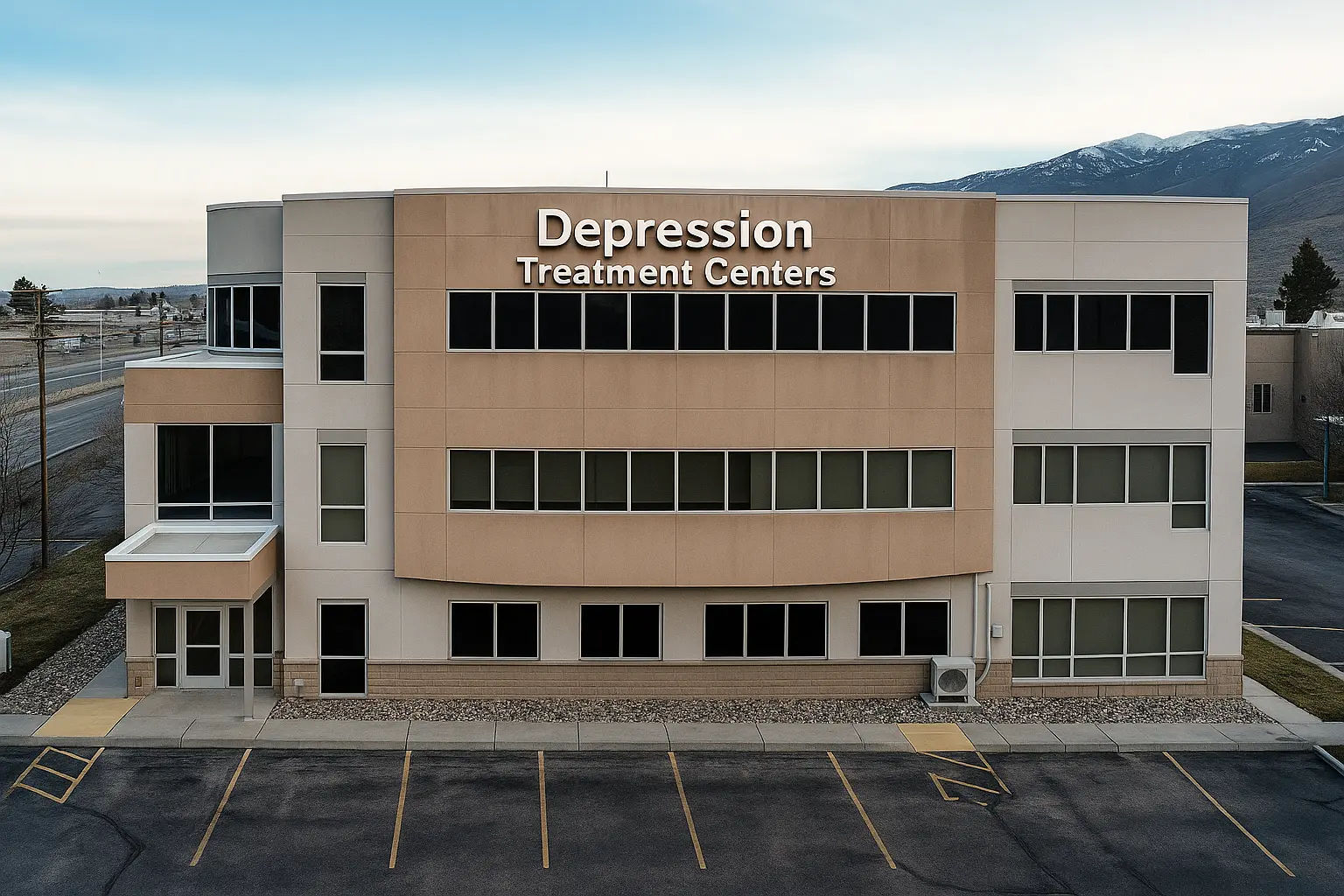
Depression treatment facilities are institutions that specialize in offering holistic care and assistance to depressed people. The centers provide specialized therapeutic interventions to treat the underlying causes of depression, relieve the symptoms, and enhance overall mental health. The centers may be inpatient or outpatient centers, which offer a systematic recovery environment.
These centers normally integrate both medical, psychological, and holistic methods with an aim of providing an all-around plan to ensure the needs of individual patients are met. Depression treatment centers also aid the patients to feel emotionally stable again and help them develop long-term coping mechanisms to cope with their condition by focusing on personalized care.
Who Should Consider a Depression Treatment Center?
The depression treatment center can be helpful to anyone who is having unrelieved symptoms of depression that disrupt the normal daily life, or when the person has not been getting sufficient help through regular outpatient treatment. Professional help should be sought in such a setting by individuals with moderate and severe depression, individuals with suicidal thoughts, and individuals who also experience other co-occurring disorders like anxiety or substance abuse.
The relatives and the loved ones who observe a considerable change in behavior, mood, or social interaction can also urge their afflicted relative to pursue specific treatment. Further deterioration can also usually be avoided by early intervention with professional support, which will result in a more optimistic view of the recovery process.
Types of Depression Treatment Centers
- Various types of depression treatment centers are mostly inpatient, outpatient, and residential care.
- Inpatient centers offer medical care and 24/7 supervision in a hospital or special clinic, which makes them the best option in the case of severe cases of depression that require intensive treatment.
- Outpatient facilities allow patients to stay at home and go to hospitals in the daytime to have scheduled therapy sessions and medical appointments.
- Residential care centers provide an intermediate solution, where a therapeutic program is structured and structured, but not as medical as inpatient care.
- Other centers are more specialized and target individuals with a certain type of depression or a particular group of people, like adolescent treatment centers or holistic mental health clinics.
Key Therapies Offered in Depression Treatment Centers
The treatment centers for depression focus on evidence-based therapy according to the needs of a person. One of the most widespread ones is Cognitive Behavioral Therapy (CBT), which assists patients with recognizing and modifying negative thought processes. Interpersonal therapy and Dialectical Behavior Therapy (DBT) are also common interventions that are employed in order to enhance relationship and emotional control skills.
Talk therapy is often used with group therapy, art therapy, or mindfulness-based interventions. These treatments develop self-knowledge, coping skills, and emotional therapy in a community-based supportive setting.
Medical Treatment Options You May Receive
Depression centers frequently use medical treatment as a significant element to moderate to severe cases. To manage chemical imbalances in the brain, psychiatrists normally test patients with antidepressant drugs, mood stabilizers, or anti-anxiety medications. The process of managing medications also involves frequent assessment to change dosages to reduce side effects.
Treatments, such as the use of Transcranial Magnetic Stimulation (TMS) or Electroconvulsive Therapy (ECT), might be provided in other instances instead of medications to treat patients who are not responsive to medications. These therapeutic procedures are clearly conducted under the close supervision of the entire profession to make them effective and safe.
How to Choose the Right Depression Treatment Center
The choice of a depression treatment facility is subject to various criteria such as severity of depression, personal preferences, and resources available. Look at centers that are recognized by organizations that have good references in order to be assured of quality care. Determine the qualifications of the medical personnel and therapists, the nature of treatments provided, as well as the availability of medical treatments.
You should also make sure that the treatment philosophies of the center fit your values and see whether you want more traditional or holistic care. Location, cost, and insurance usage are also important. The study of reviews and referral requests can lead to the most helpful, conducive environment in recovery.
Benefits of Seeking Professional Treatment Early
Early intervention by visiting a depression treatment facility can lead to a significant improvement. Illness intervention decreases the danger of aggravation of symptoms, recurring depressive episodes, or any complications such as substance abuse and suicidal behavior. It enables them to acquire coping skills and seek medical care before the condition is further rooted.
The comprehensive approach that is applied to mental and physical health is also provided in professional centers, which leads to a quicker recovery. The high level of structure serves to promote consistency and accountability, which is hard to sustain on its own.
Final Thoughts
It might seem hard to find the appropriate depression treatment center, yet the proper help could really transform the life of a person. It can be either an inpatient hospital, an outpatient treatment, or a residential program, but the most important thing is to find a place that will seem safe and fitting to your needs.
Every person has a different experience in treatment, and that is nothing to be ashamed of. In case you need to delve further into mental health advice, you can also refer to Calm Minds Hub, which contains some useful information on anxiety, stress, and emotional health. The process of getting there is important, and you should be taken care of in a way that helps you heal.
FAQs
How long does treatment at a depression center usually last?
The time is determined by the individual’s needs and the type of treatment. An inpatient stay takes between one week and several months, whereas an outpatient program normally takes between several weeks and a month, and it enables continuous treatment and life.
Are depression treatment centers covered by insurance?
There are numerous facilities that take insurance schemes, although coverage is different. You need to check with your insurance company and the treatment facility regarding the details of the coverage, out-of-pocket, co-pays, and the specifics.
What is the difference between inpatient and outpatient depression treatment?
Inpatient care entails accommodation at the facility where round-the-clock care is given, which is appropriate in cases that are acute and will require close attention. Outpatient therapy allows the patients to be at home and receive regular therapy sessions in a home environment that are flexible and have very mild symptoms or strong home support.