

We dispel mental health issues, such as the separation between stress and anxiety, to give you a clear picture. In Calm Minds Hub, stress is usually defined as a temporary response to everyday pressure, whereas anxiety is defined as a persistent worry that can interfere with daily life. Awareness of such differences will help enhance self-control.
Stress and anxiety are often confused by many people, and understanding their triggers and symptoms is a significant contribution to improved mental health. This Calm Minds Hub guide considers definitions, differences, effects, impacts in everyday life, frequent confusions, and useful tips to be aware of.
What Is Stress?
Stress is the normal reaction of your body to short-term challenges or threats, and it triggers the mechanism of fight-or-flight. It is the result of certain circumstances, such as deadlines, an argument, or even physical fatigue, which makes you do something fast. As soon as the situation is resolved, the stress disappears, and you are either energetic or relieved.
This adaptation response ensured that our forefathers survived threats, but in our contemporary lives, it has increased with numerous pressures around us. Where a short-term stress enhances concentration, continuous exposure that is not relieved may end up exhausting you both physically and mentally.
What Is Anxiety?
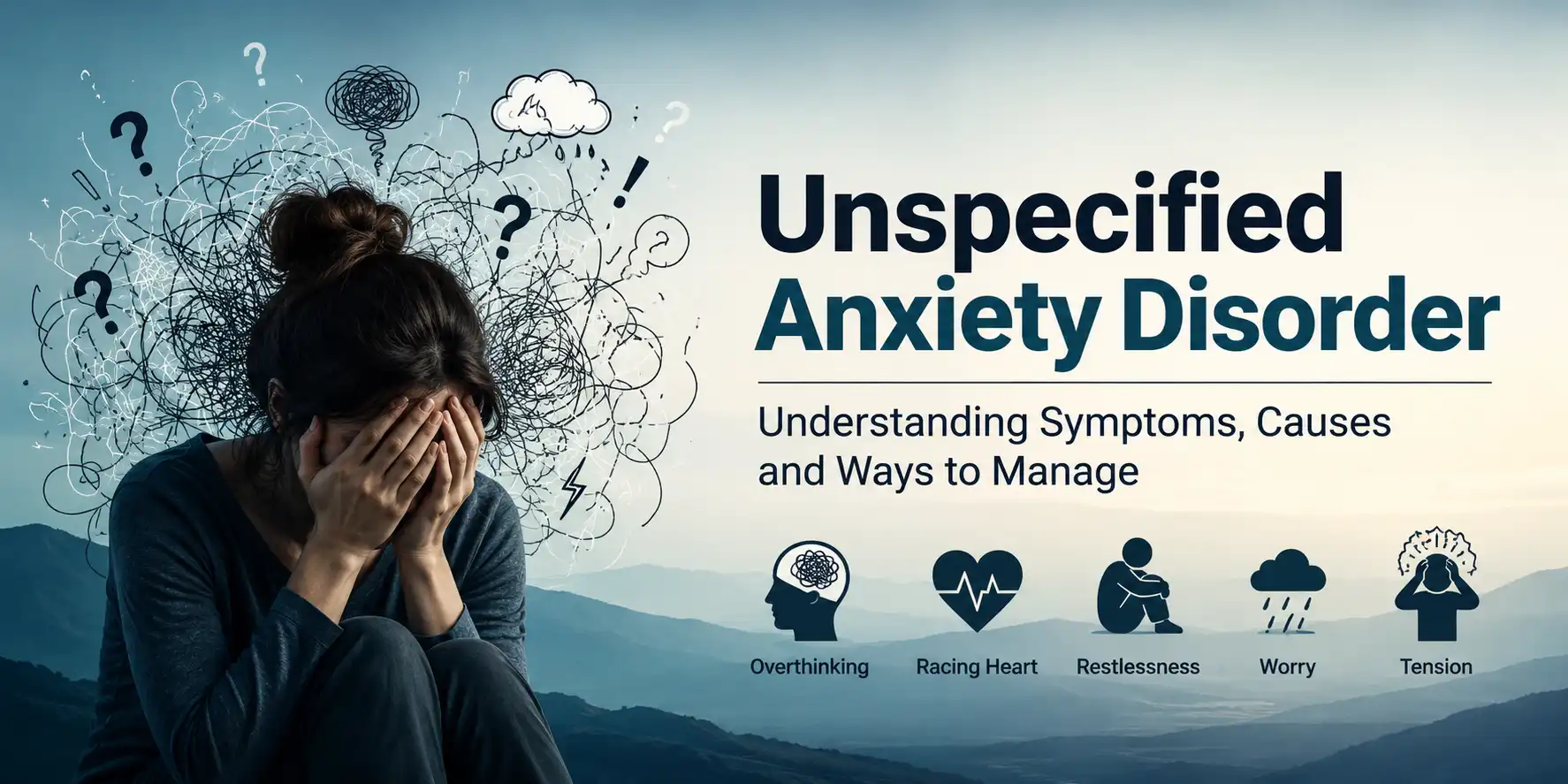
Anxiety can be described as excessive and persistent fear or worry about uncertainties in the future, which does not necessarily have an obvious cause. It is characterized by a state of mental concern, thoughts rushing in circles, or fears that continue to exist even when they no longer hold an immediate danger. It is not always linked to a particular event and may be irrational, unlike stress.
Anxiety caused by the overreaction of the amygdala of the brain interferes with sleep, concentration, and relationships in the course of weeks or months. It is mild nervousness or paralyzing panic, which means that a proactive approach to coping is necessary.
Difference Between Stress and Anxiety?
The crux of the matter is that the two are different in both duration and precipitating factors: stress is event-related and temporary, such as preparing a presentation, whereas anxiety is chronic and can be predicted, such as the fear of failure. Stress is a motivating factor; anxiety is paralyzing with what-ifs.
Stress causes an acute rise in cortisol to survive, yet worry causes a chronic rise in adrenaline and drains your system. The stress will be relieved after the event, and the anxiety needs conscious inference to stop the cycle.
Emotional and Physical Effects of Stress and Anxiety
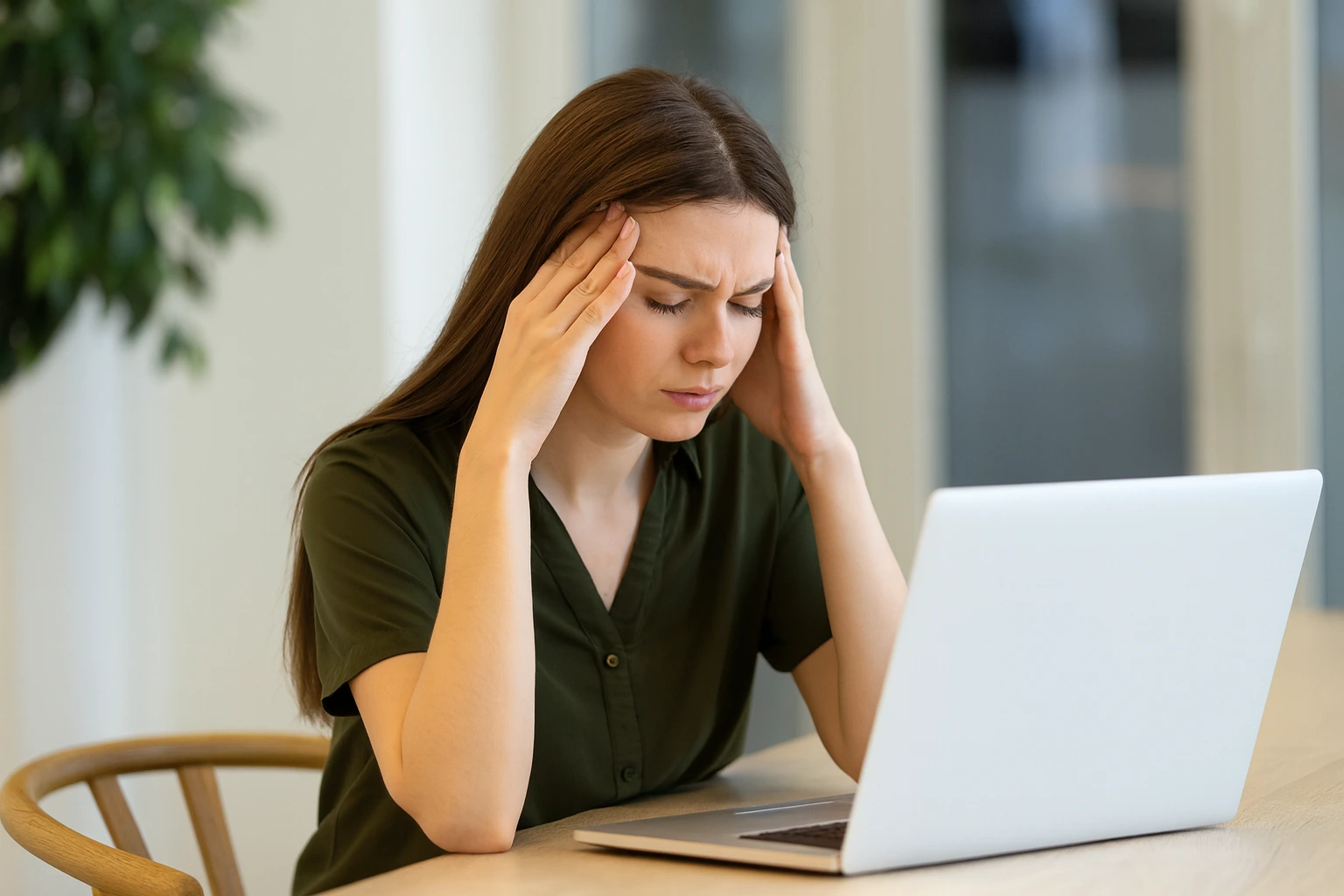
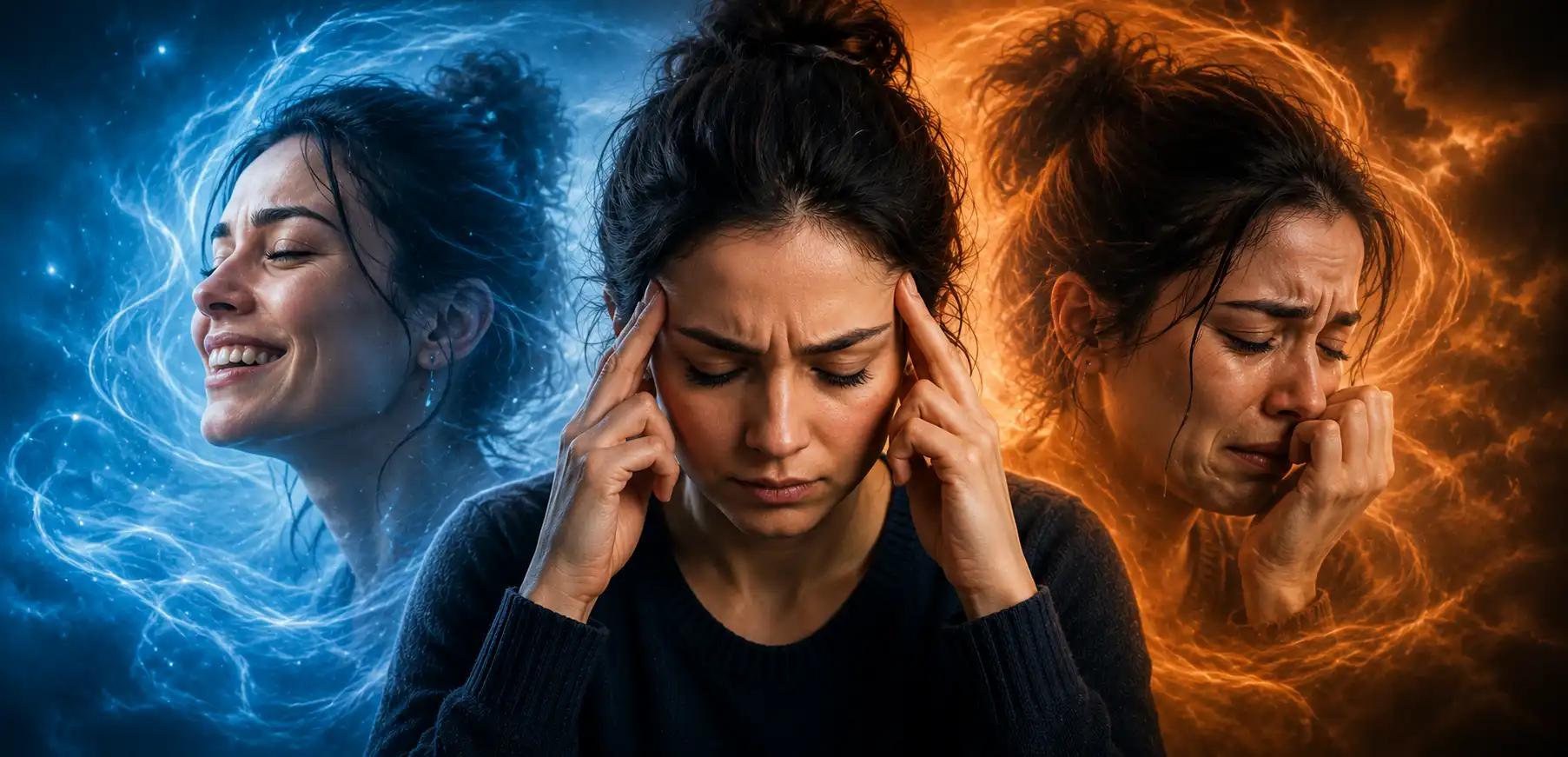
Stress makes one emotionally focused and irritable in the short run, but burns one out in the long run, and makes one frustrated or helpless. Physiologically, it increases the heart rate, contracts the muscles, and interferes with digestion during activation.
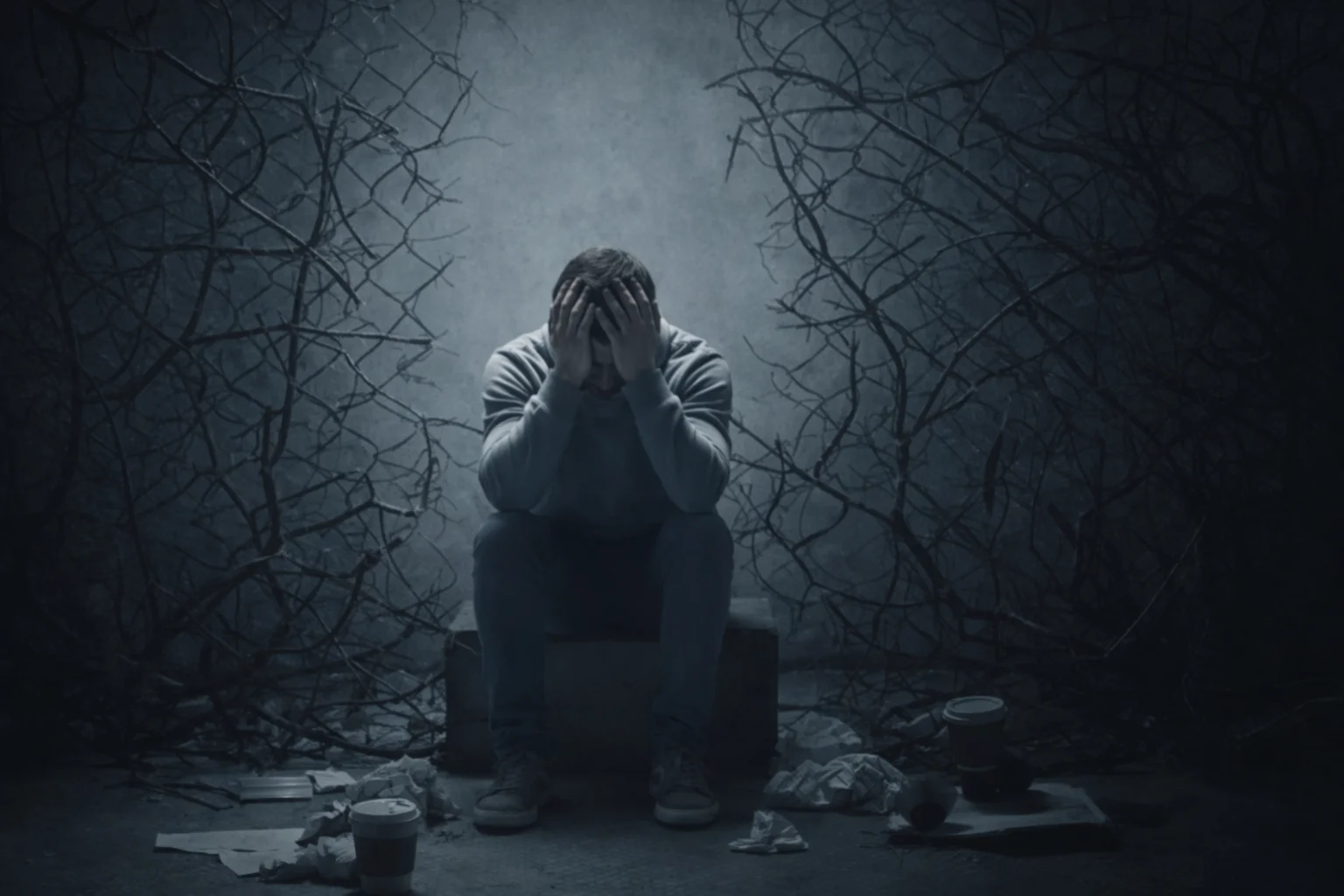
Emotionally, anxiety cultivates restlessness, fear, and hopelessness, and breaks down self-confidence in the long run. It stimulates shallow breaths, perspiration, trembling, and exhaustion, physically, in imitation of a disease which has no apparent limit.
How Stress and Anxiety Appear in Daily Life
Stress manifests itself in the form of yelling at relatives at the office on a hectic day at work or gritting teeth in traffic – reactionary outbursts connected to the moment. You strain, then rest when you are at home, with the symptoms disappearing soon.
There is jitteriness in the form of the constant search for danger, such as checking the locks incessantly or escaping from baseless fear of social arrangements. It makes daily activities paler than the rest, making ordinary jobs tiring ordeals.
Why Stress and Anxiety Are Often Confused
They have similar symptoms such as rapid heart rate and worry, which blur when the situation is high-pressure. Stress may mimic the advantage of anxiety, particularly when it is unresolved, and a person will shrug it off as stress.
Mental health is also undermined by cultural stigma, and thus, anxiety becomes attributed to work or life. With a lack of education, the difference between acute stress and persistent anxiety will not be realized until it heightens.
General Ways to Manage Stress and Anxiety
- For stress, focus on rapid resets such as deep breathing, brief walks, or prioritizing tasks to release short-term pressure.
- Create healthy habits of work and rest so stress does not accumulate and pressure can turn into productivity.
- To reduce anxiety, consider mindfulness apps or writing down concerns to help process ongoing worries.
- Professional counseling approaches such as CBT can support reframing unhelpful thought patterns.
- Lifestyle adjustments like limiting caffeine and building strong social support can help develop long-term resilience for both stress and anxiety.
Final Thoughts
Distinguishing stress from anxiety equips you to respond wisely, preventing escalation into bigger issues. At Calm Minds Hub, we’re committed to your mental wellness journey with practical tools.
Read more about anxiety management and depression on Calm Minds Hub to support your sense of calm and understanding.
FAQs
What are the Essential Differences between Stress and Anxiety?
Stress is temporary and incidental and disappears once it is resolved, whereas anxiety is a long-term anxiety with no definite reason. Stress is invigorating; worry is exhausting.
Will Stress Change into Anxiety With Time?
Yes, chronic, unmanaged stress will rewire the brain, increasing the vulnerability to anxiety due to the continued cortisol. This connection is broken by early intervention.
What is the Way that a Person can know whether he/she is experiencing stress or anxiety?
Stress is also associated with recognizable sources and is resolved in a short time, whereas anxiety lingers and is accompanied by physical manifestations such as constant tension. Get track patterns in a journal to be clear.