
Why Emotional Health in Childhood Matters
Childhood is the root of emotional well-being, as it affects the processes by which children process their emotions, develop relationships, and overcome problems in adulthood. Emotional strengths enable children to grow resilient, empathetic, and self-regulating, which is transferred to adulthood. Such oversight may cause problems such as anxiety or low self-esteem in the long run.
Parents and caregivers play a crucial role by creating safe environments where children feel heard and their emotions are validated. Providing emotional support at an early stage helps reduce behavioral risks and supports stronger academic performance. Investing in emotional health early can also prevent the need for more costly interventions later. For deeper insights and trusted guidance on supporting a child’s emotional well-being, Calm Minds Hub offers valuable resources for parents and caregivers.
What Is Child Counseling?
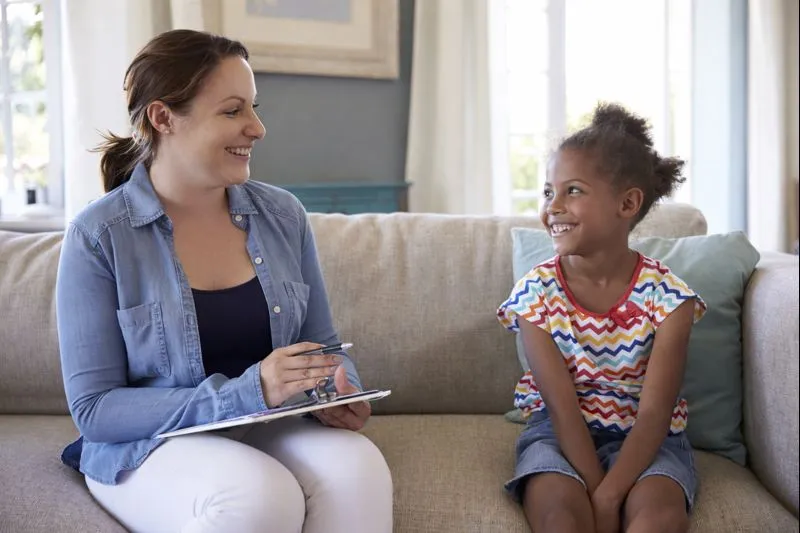
Child counseling is considered a practice where a trained professional works with children to solve emotional, behavioral, or mental health issues using methods that are suitable for children of that age. The therapists employ play therapy, talk therapy, or art to make the children communicate their feelings, which they are not yet capable of communicating effectively. It is specifically designed for the stages of development, hence easy to access even by the young ones.
Counseling is more structured compared to general parenting advice and helps to find the underlying causes of the problem, such as trauma or family stress. These sessions are cooperative, usually with parents being used to reinforce at home. This therapeutic technique enables children to develop coping mechanisms at an early age.
How Emotional and Mental Development Shapes a Child’s Future
Childhood emotional and mental development has a direct influence on career achievements, relationships, and the satisfaction of life. Well-developed kids know how to deal with stress and change, build trustful relationships, and prepare their a successful adult life. Anxiety or depression cycles can be caused by poor early development.
Literature indicates that emotionally intelligent children perform well at school and the workplace, and their problem-solving skills are excellent. The young mental habits determine how decisions are made and the ability to withstand life failures. Such development is a priority that brings lifelong benefits in health and happiness.
Signs a Child May Need Counseling
- Persistent sadness that affects daily life
- Avoidance of usual activities or interests
- Sudden or extreme mood swings
- Unexplained fears or excessive worry
- Aggressive behavior or frequent outbursts
- Regression in behavior, such as bedwetting in older children
- Social withdrawal or isolation from friends and family
- Decline in academic performance or school difficulties
- Physical complaints with no medical cause
- Changes in sleep patterns or appetite
- Noticeable changes in play or interaction
How Child Counseling Supports Emotional Growth
Counseling helps children learn to name and recognize emotions and develop a vocabulary of emotions they may otherwise be repressing. As part of guided activities, kids train healthy expression, outbursts, and self-awareness. This assistance forms emotional cushions against dealing with tricky emotions.
Coping techniques, such as breathing or meditation, are modeled by therapists and become routines for children. In the long run, it enhances confidence and interpersonal skills. The reactive behavior is converted into proactive emotional management as a result of counseling.
Benefits of Child Counseling for Children and Families
In children, counseling lowers anxiety symptoms and enhances self-esteem, which results in increased attention and happiness in their everyday activities. It empowers them against self-reliance, reducing therapy requirements in the future. Families experience greater communication and lower conflict.
Parents get an idea of the world of their child, and they learn how to help him or her efficiently. This mutual development enhances relationships in the family and avoids the trauma of the generation. All in all, it makes the homes harmonious with strong members.
The Importance of Early Support and Intervention
With early intervention, problems are arrested before they become chronic patterns, and thus change becomes easy and more effective. Early counseling helps ensure that even minor issues do not end up in school failure or mental health problems. Early intervention will save the normal developmental path of a child.
Research has established that children who get early assistance have quicker recovery and long-term emotional control benefits. Postponement in supporting can lead to the entrenchment of more problems and their treatment in the future. This maximizes positive results and should begin soon.
Final Thoughts
Child counseling is a vital investment in a child’s emotional toolkit, offering pathways to resilience and long-term fulfillment. By addressing emotional needs early, families can break cycles of distress and nurture confident, thriving futures. It should be embraced as empowerment, not a last resort.
Seeking professional guidance without stigma is a sign of proactive and responsible care. Parents can begin by consulting school counselors or pediatricians for trusted referrals. For more guidance and reliable information on child counseling and mental well-being, you can explore helpful resources available at Calm Minds Hub, where child mental wellness is always the priority.
FAQs
At what age can a child start counseling?
Children as young as 2-3 can benefit from play-based counseling for issues like separation anxiety. Therapists adapt methods to the child’s age, ensuring engagement. No age is too early if concerns arise.
How do I know if my child needs counseling?
Look for ongoing changes in behavior, emotions, or functioning that persist beyond typical ups and downs. Consult a professional if home efforts don’t help within weeks. Trust your instincts as a parent.
Is child counseling safe and confidential?
Yes, sessions follow strict ethical standards with confidentiality, except in cases of immediate harm. Parents are involved appropriately, but the child’s privacy is protected. Licensed therapists ensure safety every step.