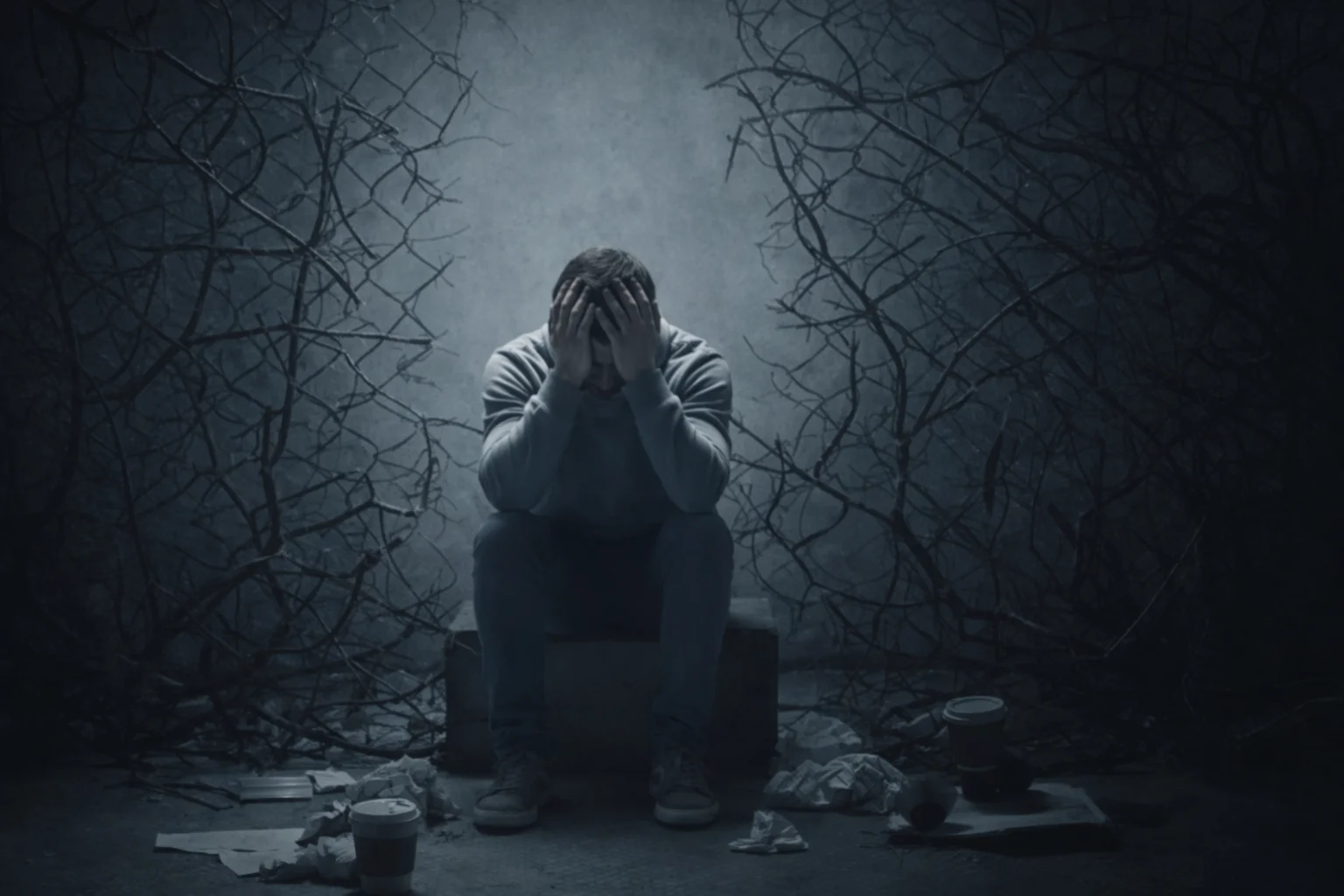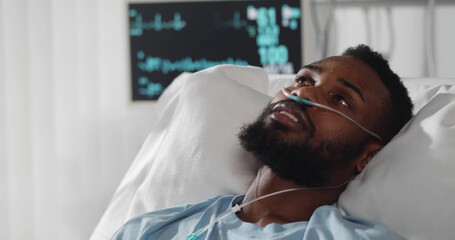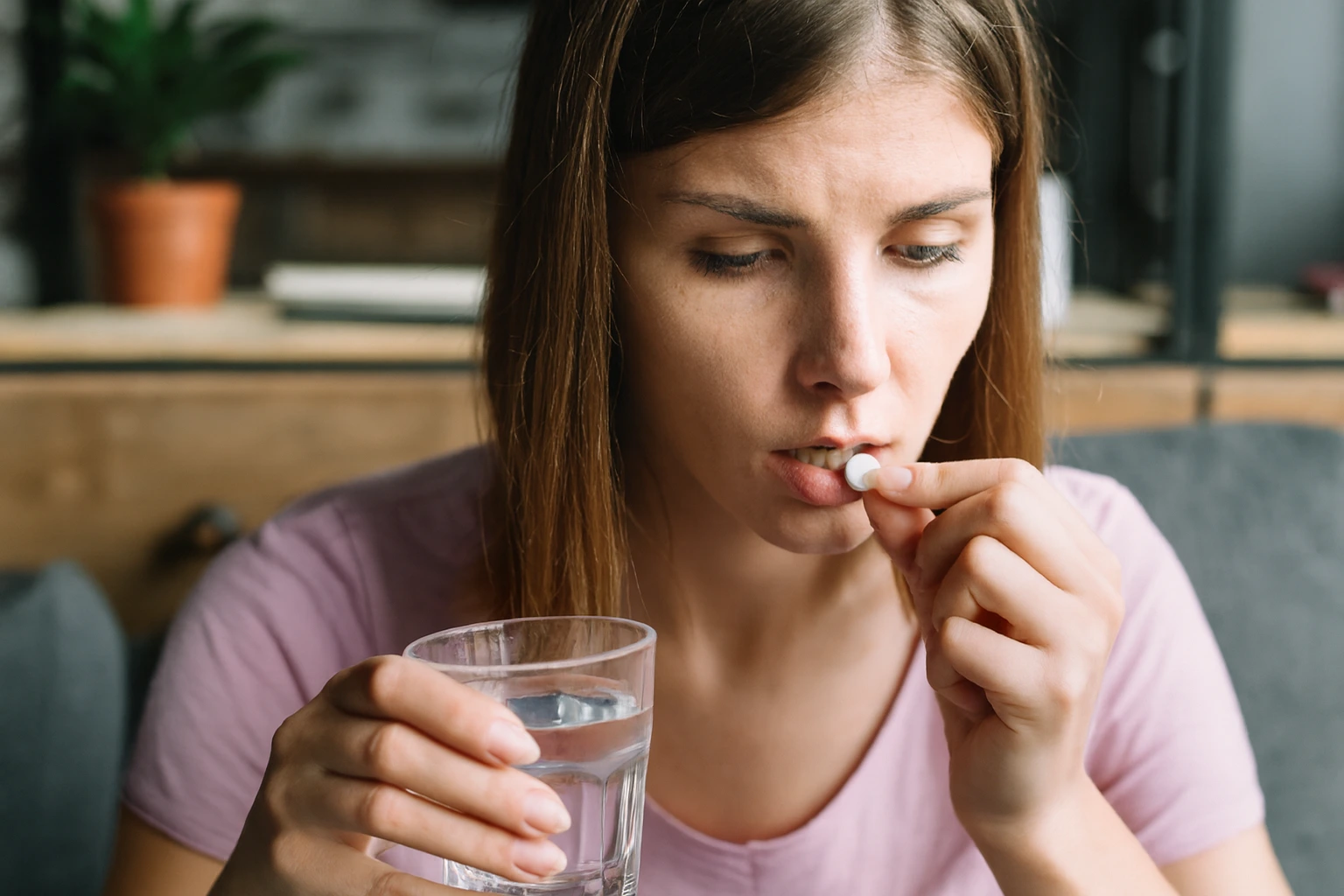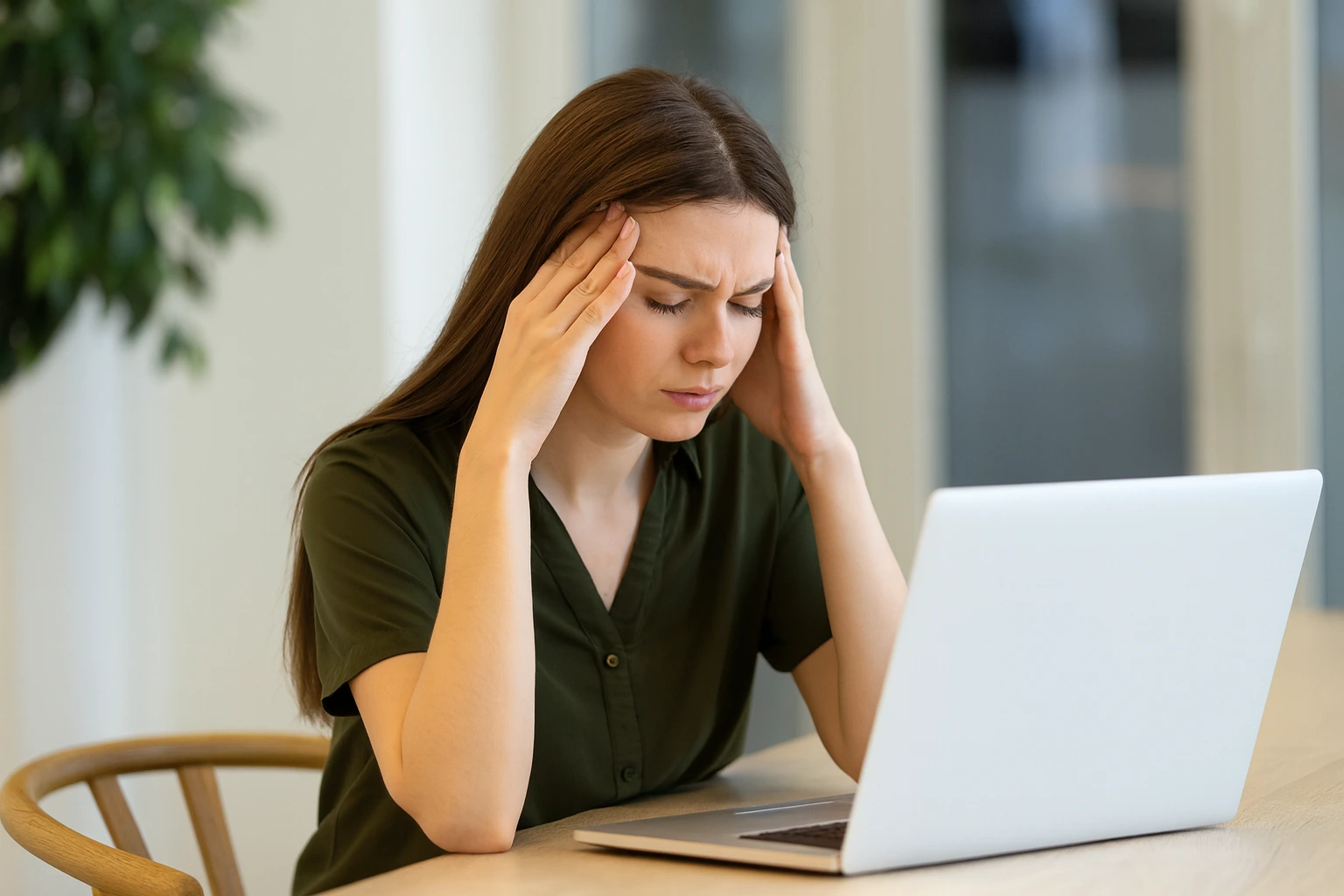

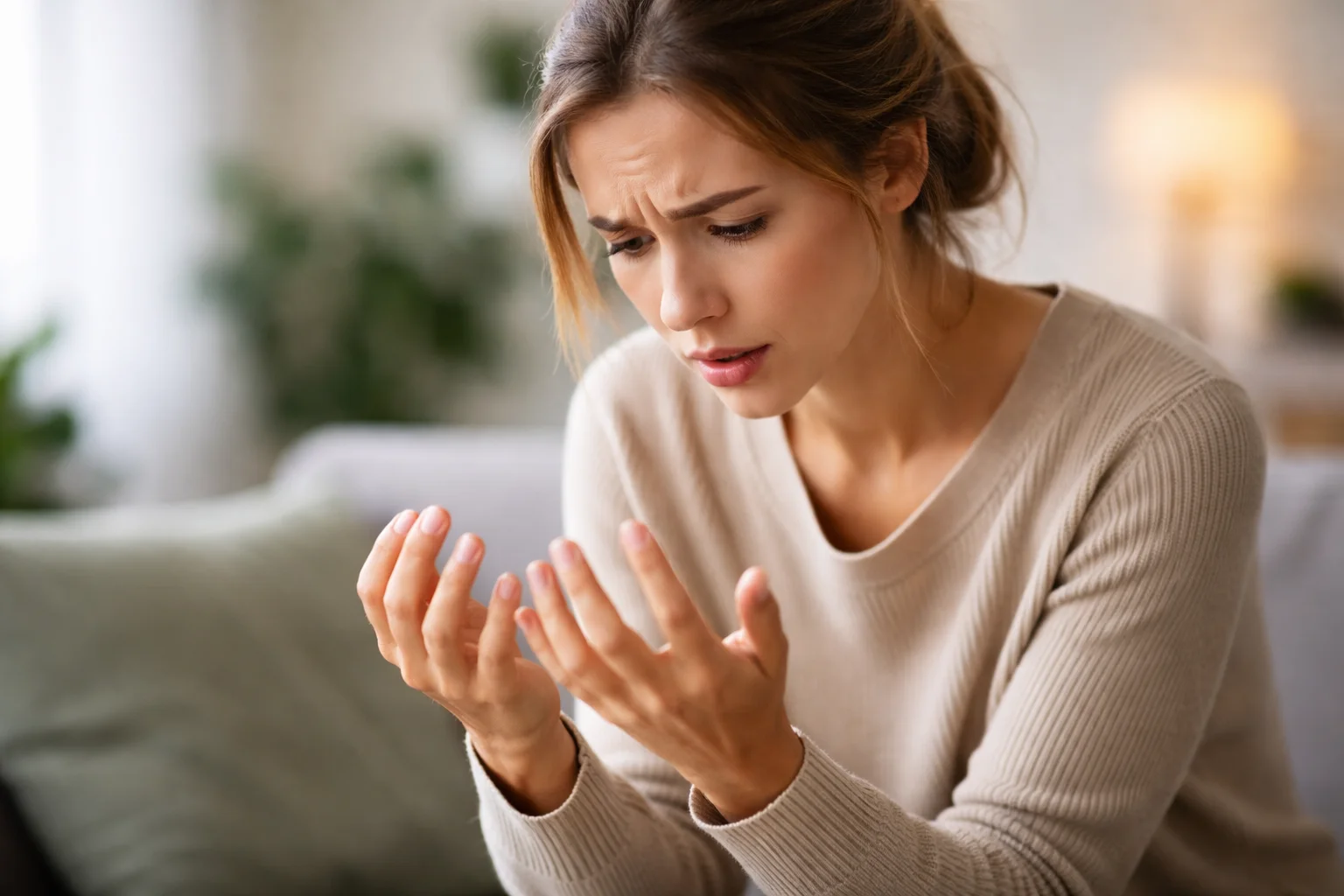
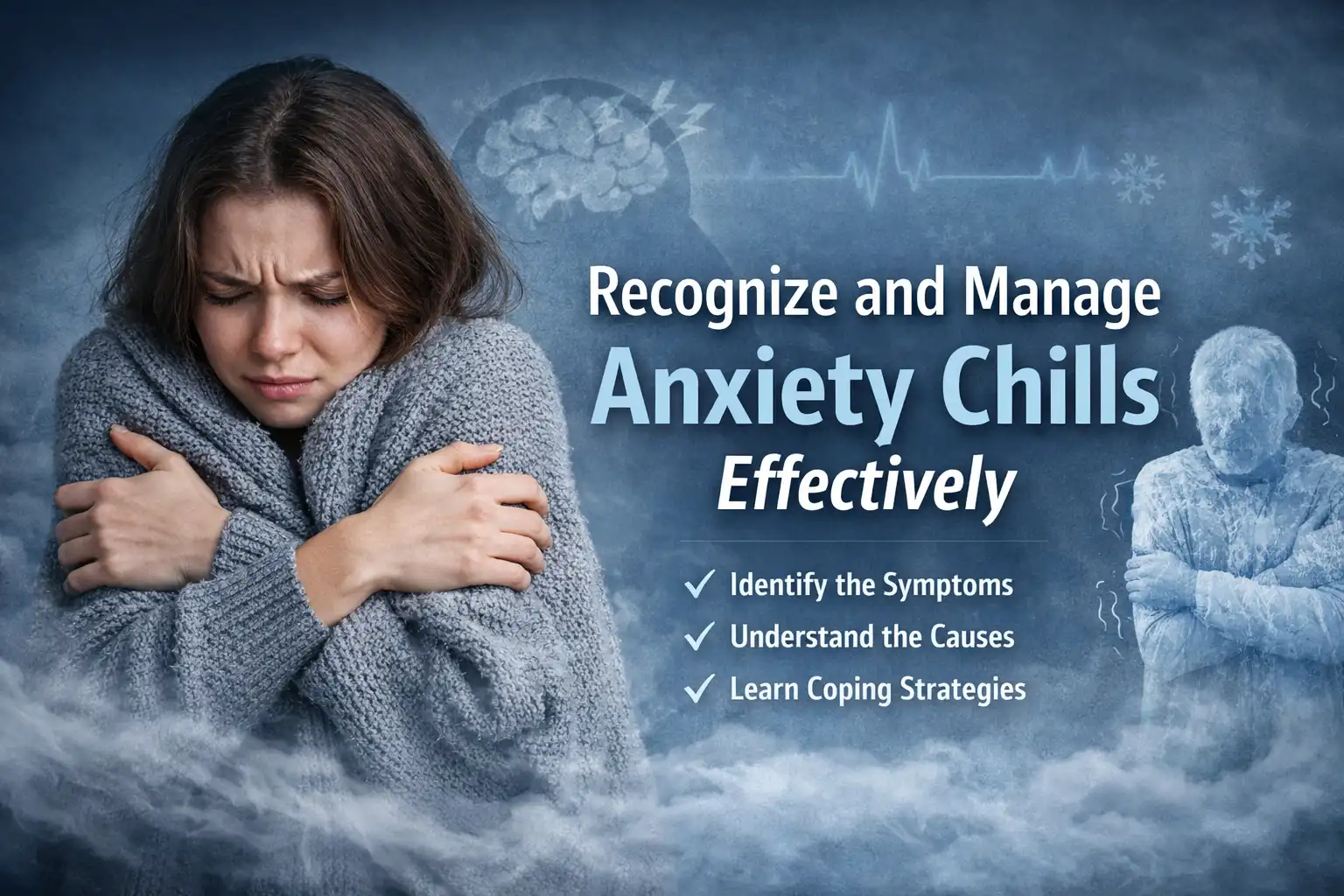

The shivers or tremors that one feels due to anxiety are called anxiety chills. These are physical symptoms that are manifested in cases of nervousness or stress. They can happen suddenly. This usually occurs when one is having anxiety attacks or high-stress situations. You may become chilled and anxious, without the temperature dropping, because of the fight or flight reaction of your body. This anxiety chills and shaking may also occur at night, hence sleep difficulty. One should be aware of these symptoms as part of an anxiety disorder and ensure to control them.
You can practice relaxation methods and learn to concentrate on coping strategies. Knowing your physical response to stress, too, will help you eliminate anxiety chills. Apply the proper mental health resources and anxiety-dealing methods. It is possible to re-learn to control the reaction of your body to stress.
What Are Anxiety Chills?
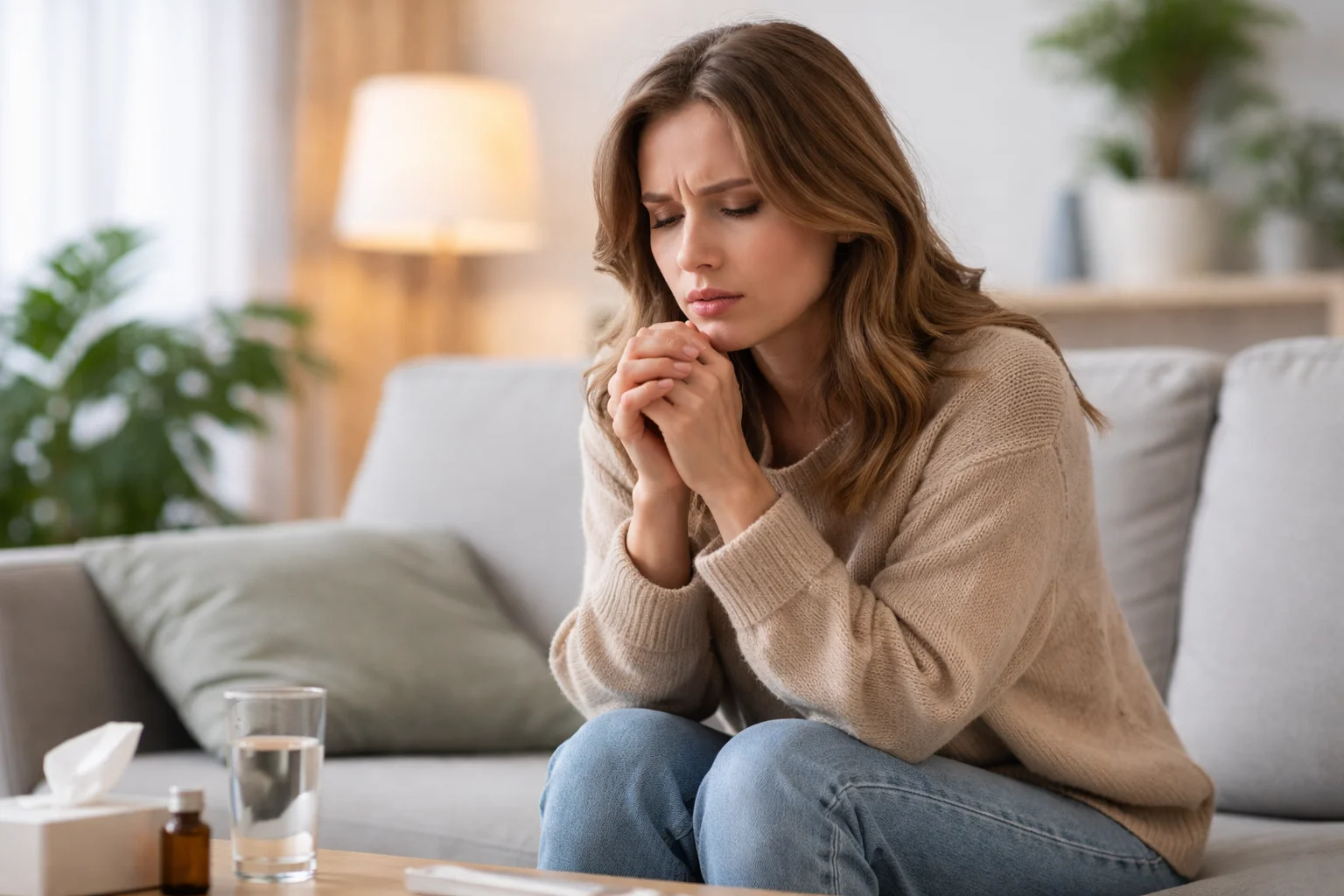
Anxiety chills can be a physical response that most individuals experience when they are anxious. These shivers are also referred to as anxiety shivers and are sudden, cold or shaky feelings. This reaction occurs due to the fight or flight response by the body. When we are faced with stress, the sympathetic nervous system is activated.In many cases, the feeling may be compared to the immediate lowering of body temperature, even though there is no cold around. This happens when you are so worried that you feel anxious. This usually happens when addressing a crowd or when in a difficult situation. These are typical physical symptoms that are the response of the body to stress and anxiety.
Why Do Anxiety Shakes Happen?
Anxiety chills or anxiety shakes occur when you feel the anxiety or stress being felt by your body. This is usually instigated by the fight or flight response which is regulated by the sympathetic nervous system. The release of adrenaline and cortisol takes place when you are anxious. These hormones increase your heartbeat and prepare you to act. But in certain situations, these hormones may lead to you feeling shaky or getting chilled, even when a person is not physically at risk. These reactions can also be more severe due to trauma or previous traumatic experiences. Calm Minds Hub will assist you in knowing how your body responds. By doing so, you can cope with anxiety, as well as minimize such symptoms as shaking and chills.
Common Causes of Anxiety Shiver
Anxiety cause chills, which occur during stressful occasions.They are also possible in the social context. These shivers are brought about by the fight or flight reaction of the body. These shivers are frequently as a result of trauma and anxiety attacks when your body is responding to serious nervousness or stress. Cold or body chills may also take place without a fever and the result of anxiety. Such chills can be connected to such health conditions as thyroid factors or heart diseases. Understanding the typical causes of anxiety shivers can be used to manage such unpleasant physical symptoms. We intend to bring wisdom to Calm Minds Hub so that you can know these reactions and know how to cope with them.
Health Conditions
Anxiety may at times lead to chills among other physical symptoms such as body aches or even hot flushes. Some of them may experience chills and anxiety during perimenopause. This may complicate the process of treating anxiety. Anxiety symptoms can be aggravated by health conditions such as thyroid disorders and heart issues. Monitor these with the assistance of mental health providers. They can explain the causes. They assist you in dealing with them as well.
Social Situations
To social anxiety disorder sufferers, social circumstances may be so overpowering that they create apprehension and shivers. These may trigger anxiety attacks and this leads to chills due to social anxiety. Individuals who had an experience of trauma might experience increased anxiety when in a social environment that might give rise to emotional regulation disorders. It is necessary to identify these triggers. This assists in the management of social anxiety. With the help of mental health specialists, it becomes easier.
Trauma
Past and trauma may affect a person long-lasting whereby one may experience chills of anxiety whenever there is a stressful situation. The chills may occur in the bodies of some people after an anxiety attack as a result of emotional stress. These are the physical symptoms like chills following an anxiety attack and this may remind an individual of past traumatic experiences. Mental health consultation can assist individuals in overcoming trauma. It is also useful in controlling the physical impacts that it may have on the body.
Stressful Events
Anxiety chills are one of the key triggers of stress, they can happen at such events as a public speech or a job interview. Anxiety attacks are followed by chills, particularly after an occurrence of a stressful event. This is because of the reaction of the body to the fatigue associated with stress, and the continued physical expression of managing anxiety. At Calm Minds Hub, individuals will be able to seek help with anxiety associated with everyday stress. They provide tools to live and stay sane.
Anxiety chills strategies
In preventing anxiety chills, one should emphasize the relaxation strategies that can be used to deal with the symptoms. Meditation helps. Deep breathing helps too. Progressive muscle relaxation may be of help as well. Such methods lead to the absence of anxiety chills and shivers. Such techniques relax the mind and body. They serve to deal with anxiety and improve mental health. The methods could also be practiced frequently to relax anxiety and prevent future anxiety attacks.
Medication
Constant anxiety chills can be relieved using medication. Antidepressants in the form of SSRIs and SNRIs can be used to treat the chills of anxiety and the associated symptoms. Researching with a therapist, prescriber or psychiatrist is necessary to get the appropriate anxiety medications. To other individuals, medication might help in calming down anxiety chills and anxiety shake discomfort. This might bring relief in times of anxiety attacks.
Psychotherapy
With anxiety chills, anxiety psychotherapy is long-term. CBT and cognitive restructuring assist human beings in identifying and refuting negative thoughts. This can alleviate anxiety and chills. Exposure therapy assists patients in dealing with the triggers of their anxiety in a secure environment. Coping can be improved by consulting a therapist or mental health professional. This, in its turn, assists in anxiety therapy.
Lifestyle Adjustments
Anxiety chills can be greatly slowed down by making some lifestyle changes to deal with anxiety. By emphasizing stress alleviation, one can reduce anxiety. This helps to avoid anxiety chills as too big to bear. Minor adjustments can bring a great difference. Try self-care activities. Stick to a routine. Such measures can enhance mental health. These practices are effective in relieving anxiety as well as sustaining emotional health.
Avoid Certain Substances
Some drugs may enhance anxiety and chills. Anxiety chills are best avoided with the help of some substances. The nervous system can be enhanced and aggravated by caffeine, alcohol, and nicotine. The decreasing or even taking of these substances aids in the management of mental health and reduces the frequency of chills associated with anxiety. Through healthier lifestyle choices, you are likely to be more in control of anxiety and its physical effects.
Relaxation Techniques
Anxiety chills can be relieved in a very short time when relaxation techniques are used. Meditation, deep breathing and progressive muscle relaxation practices are some of the practices that can reduce physical tension that anxiety creates. Such methods help to reduce anxiety, enhance emotions and eliminate the stress reaction. The inclusion of them in your day-to-day living can make a dramatic change in tackling the chills in anxiety and the general level of anxiety.
Physical Symptoms of Stress and Anxiety Disorders
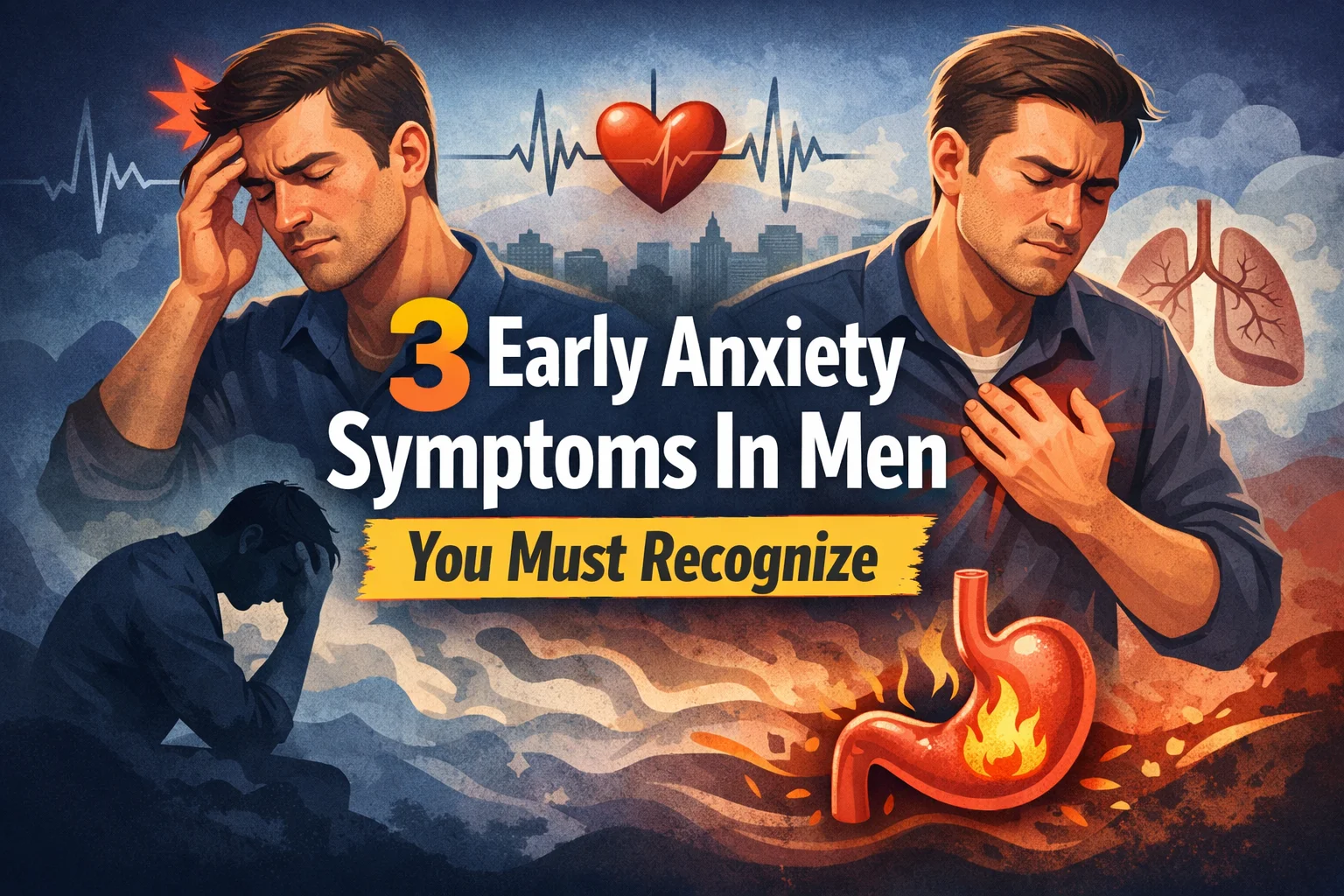
Anxiety can cause several physical symptoms of anxiety, such as anxiety chills and anxiety shakes and chills. These physical manifestations of anxiety happen when your body responds to stress, causing changes in body temperature and triggering physical reactions like trembling or shivering. These reactions are part of your stress response and are driven by the body’s natural anxiety response to stress.
Medications for Anxiety Symptoms and Disorders
When dealing with anxiety, various medications for anxiety can help manage symptoms effectively. SSRIs and SNRIs are commonly prescribed antidepressants that work by balancing brain chemicals, reducing anxiety over time. Consult a prescriber, like a psychiatrist or therapist. They can help you find the right treatment plan for your needs. This ensures you get proper anxiety treatment. Calm Minds Hub guides you on medication options and offers professional support for anxiety relief.
Final Thoughts
Anxiety chills are a common symptom caused by the body’s stress response, triggered by hormones like cortisol and adrenaline. These chills can range from mild discomfort to full shaking and often occur during moments of heightened anxiety. However, they are temporary and can be managed with the right strategies. Understanding that these symptoms are not permanent is important for regaining control over your well-being.Incorporating relaxation techniques like deep breathing and mindfulness exercises can help reduce anxiety and prevent chills.
FAQs
How to Relieve Shortness of Breath from Anxiety?
To ease shortness of breath from anxiety, try deep breathing. Inhale slowly and hold something cold in your hand. This helps calm your nervous system.
How to chill out anxiety?
To ease anxiety, try relaxation techniques. You can use meditation, deep breathing, or progressive muscle relaxation. These methods can help reduce tension.
How to stop overthinking anxiety?
To stop overthinking and anxiety, challenge negative thoughts. Also, practice mindfulness. Focus on grounding exercises to help you stay in the present.