




What Is Lazy Eye
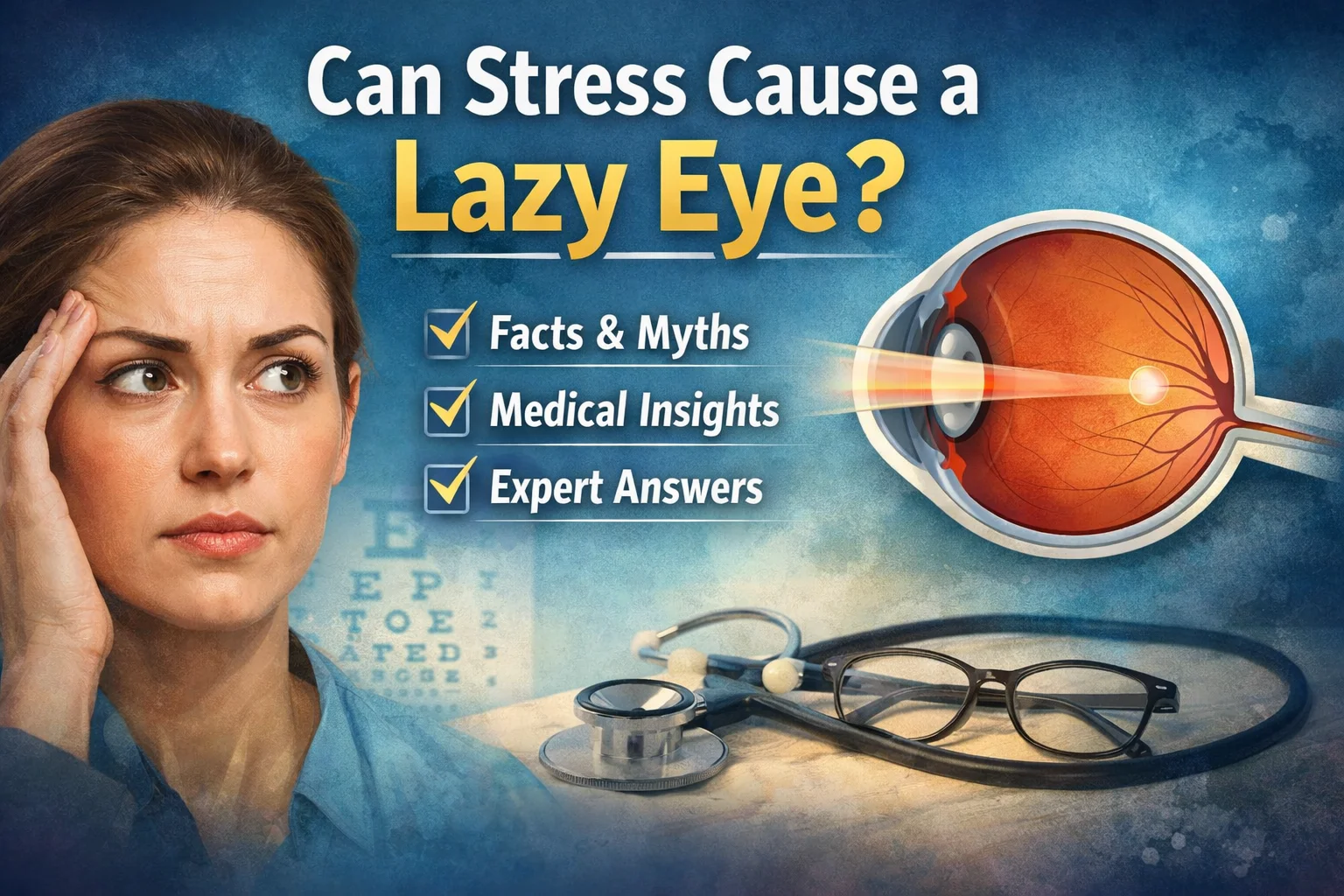
Lazy eye also known as amblyopia is a common vision condition that affects how the brain and eyes work together. It typically develops in early childhood when the brain favors signals from one eye over the other. As a result the weaker eye does not develop normal vision even if the eye itself is healthy. This happens because the brain learns to ignore input from the affected eye to avoid confusion such as double vision. It is not about the eye being literally lazy but rather a problem in brain processing during critical development years up to around age seven or eight.
Common Causes of Lazy Eye
The main triggers for lazy eye include muscle imbalance where the eyes do not line up properly known as strabismus. Another frequent cause is a significant difference in refractive errors between the two eyes such as one being much more nearsighted or farsighted than the other. In some cases a physical blockage like a droopy eyelid or cataract can deprive the eye of clear images leading to the condition. These issues prevent normal visual development and the brain adapts by suppressing the weaker eye. Lazy eye is a childhood neurodevelopmental issue and experts emphasize it is not something people choose or cause through everyday habits.
Can Stress Cause A Lazy Eye? The Direct Answer
The straightforward medical answer is no stress does not directly cause classic lazy eye in the way we usually understand the condition. Amblyopia forms during early visual system development and is rooted in structural or optical problems rather than emotional or psychological pressure. Scientific sources including major eye institutes confirm that lazy eye stems from abnormal visual experiences in infancy or toddlerhood not from adult life stressors or even significant childhood stress alone. That said researchers have noted interesting indirect connections between stress and vision that are worth exploring for a fuller picture.
Myths About Stress And Lazy Eye
One widespread myth is that adults can suddenly develop lazy eye because of high stress levels at work or in daily life. In reality once the critical period of visual development closes in childhood true amblyopia does not start from stress. Another misconception is that lazy eye results from someone being lazy or not trying hard enough to focus which is completely false and can add unnecessary shame. Some people also believe that any sudden blurring or eye discomfort from tension means lazy eye when it is often temporary eye strain instead. These myths can delay proper care so separating fact from fiction is essential for anyone concerned about their vision.
Medical Insights On Stress And Vision Problems
While stress does not create lazy eye medical research shows it can influence vision in other meaningful ways. Chronic stress raises cortisol which may affect blood flow to the eyes increase eye pressure or disrupt tear production leading to dryness and discomfort. In rare cases children under intense psychological pressure may experience something called Streff syndrome a functional temporary vision change that mimics reduced acuity but is not true amblyopia and often improves when stress is addressed. Studies also highlight a two way street vision difficulties can heighten anxiety and stress creating a cycle that impacts overall well being. Newer research even suggests that early lazy eye might correlate with higher risks of certain health issues later but the primary link remains developmental not stress driven.
How Stress Indirectly Affects Eye Health
Everyday stress triggers physical responses like tense eye muscles reduced blinking and changes in focus ability. These can produce symptoms such as temporary blurred vision headaches or sensitivity to light that feel alarming but usually resolve once tension eases. For those already living with lazy eye unmanaged stress might make it harder to stick with treatments like patching or vision exercises because anxiety reduces motivation. At Calm Minds Hub we often see how emotional strain overlaps with physical symptoms so understanding this connection empowers people to seek balanced support.
The Psychosocial Side Of Lazy Eye
Living with lazy eye can itself become a source of stress. Children and adults may face teasing lower self confidence or challenges in sports and academics due to poor depth perception. Research indicates higher rates of anxiety or social sensitivity among those with the condition which is why mental health awareness matters alongside eye care. This is where platforms like Calm Minds Hub step in by offering insights on emotional well being that complement medical treatment.
Practical Steps For Better Vision And Calm
Managing stress supports eye health even if it does not prevent or cure lazy eye. Simple habits such as regular breaks from screens deep breathing and adequate sleep help reduce eye strain. If you notice persistent vision changes consult an eye specialist promptly because early intervention for any issue yields the best outcomes. For the emotional side exploring stress management strategies can make a real difference in daily comfort and confidence. Our article on anxiety treatment at Calm Minds Hub shares practical tools that many readers find helpful when physical symptoms meet mental tension.
Why Early Awareness Matters At Calm Minds Hub
At Calm Minds Hub we believe knowledge about the mind body connection helps people make informed choices. Whether you are researching lazy eye for a child or exploring how stress shows up in your own body our resources aim to guide you toward professional care and self compassion. Remember vision concerns deserve expert attention from ophthalmologists while stress management enhances overall quality of life.
Conclusion
Lazy eye is a specific childhood condition rooted in visual development rather than stress yet the two topics intersect in important ways through general eye strain cycles of tension and mental health impacts. By busting myths and focusing on facts you can approach concerns with clarity and confidence. Prioritizing both eye checkups and stress relief creates a stronger foundation for well-being. If something feels off do not hesitate to reach out to qualified professionals because your vision and peace of mind are worth it.
Frequently Asked Questions
1. Can stress make existing lazy eye symptoms worse?
Stress does not change the underlying amblyopia but it can increase eye strain, discomfort, or make it harder to follow treatment plans. Managing tension through healthy habits often improves daily comfort.
2. Is there a difference between stress-related blurry vision and lazy eye?
Yes, stress-related blur is usually temporary and affects both eyes or switches while lazy eye is a long term developmental issue in one eye that begins in childhood. An eye exam can tell them apart.
3. How can you support eye health while reducing stress?
Combine regular eye exams with stress relief practices like mindfulness short screen breaks and professional guidance.