


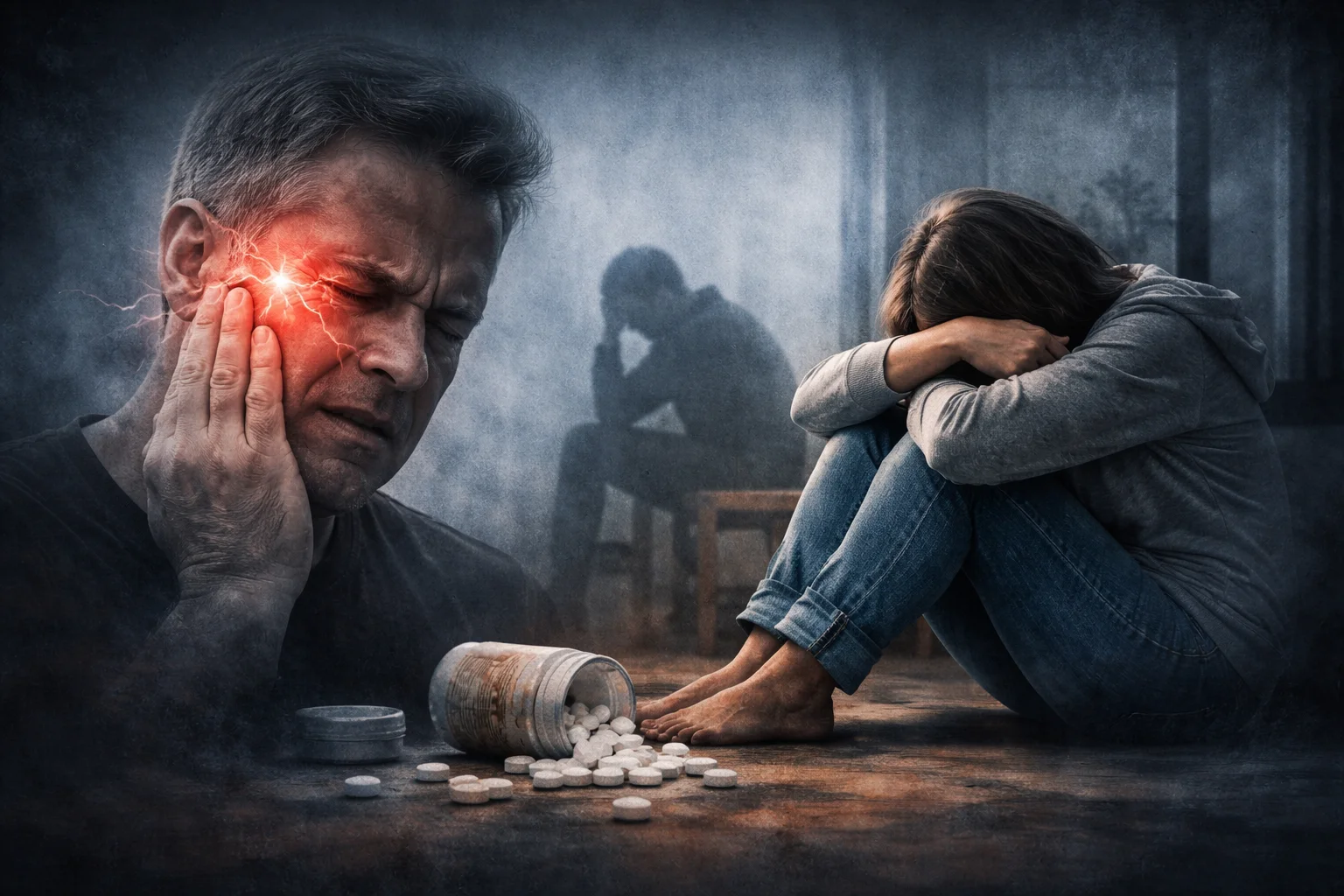

Suicide disease refers to trigeminal neuralgia, a rare but extremely painful neurological condition that affects the trigeminal nerve responsible for sensation in the face. Many people describe the pain as sudden electric shocks or stabbing sensations that can last from seconds to minutes. These attacks often happen without warning and may be triggered by everyday actions like chewing talking or even a light breeze on the skin. The intensity of this pain has earned it the name suicide disease because it pushes some individuals to the brink of despair when relief feels impossible. At Calm Minds Hub we believe knowledge is the first step toward managing both the physical and emotional toll of such conditions.
How Suicide Disease Connects to Severe Depression
Chronic pain from suicide disease does more than hurt the body it deeply impacts mental health. When pain episodes occur repeatedly day after day people often feel helpless exhausted and isolated. This ongoing struggle can lead to severe depression where feelings of sadness hopelessness and worthlessness become constant companions. Research shows that individuals living with intense chronic pain conditions face higher risks of developing mood disorders. The link between physical suffering and emotional breakdown is real and at Calm Minds Hub we emphasize that addressing one without the other rarely brings full healing. Our resources on mental health help readers see how pain and depression feed into each other so they can break the cycle early.
Recognizing Warning Signs of Severe Depression
Severe depression often creeps in quietly especially when paired with a condition like suicide disease. Common warning signs include persistent low mood that lasts for weeks loss of interest in activities once enjoyed changes in appetite or sleep patterns and overwhelming fatigue. Some people withdraw from family and friends feel excessive guilt or experience trouble concentrating on simple tasks. In more serious cases thoughts of death or suicide may surface. If you notice these signs in yourself or a loved one it is crucial to pay attention. Early recognition can prevent the situation from worsening and open the door to effective support.
The Impact of Untreated Pain on Mental Well Being
Living with suicide disease without proper management heightens the chance of emotional exhaustion. The fear of the next pain attack can create constant anxiety making daily life feel unbearable. Sleep becomes disrupted eating habits change and social connections fade away. Over time this builds into severe depression where the mind struggles to find any light at the end of the tunnel. At Calm Minds Hub we encourage readers to view mental health as equally important as physical treatment. Ignoring the emotional side only makes recovery harder which is why our platform shares practical strategies for building resilience.
Seeking Professional Help for Suicide Disease and Depression
Medical care for suicide disease usually involves neurologists who may prescribe medications anticonvulsants or other therapies to calm the overactive nerve. In some cases surgical options become necessary for long term relief. At the same time mental health support is essential. Therapy can teach coping skills while medication for depression helps balance brain chemistry. Combining both approaches often yields the best results. If you are dealing with suicide disease remember that help exists and reaching out is a sign of strength not weakness. Calm Minds Hub offers insights into these combined treatments through our educational articles.
Warning Signs That Demand Immediate Attention
Certain red flags signal that severe depression linked to suicide disease needs urgent care. These include talking about feeling like a burden expressing hopelessness talking about death or dying and sudden changes in behavior such as increased isolation or reckless actions. Physical signs like rapid weight loss or extreme agitation should also raise concern. If you or someone close shows these symptoms contact a healthcare professional right away or reach out to a crisis hotline. Quick action can save lives and Calm Minds Hub stands as a starting point for understanding what to watch for.
Building a Support System for Recovery
No one should face suicide disease and severe depression alone. A strong support system includes family friends healthcare providers and community resources. Sharing your experience with trusted people reduces isolation and brings practical help. Support groups for chronic pain or depression allow you to connect with others who understand the journey. Lifestyle adjustments such as gentle exercise mindfulness practices and a balanced diet also play a supportive role. At Calm Minds Hub we highlight how small consistent steps can rebuild hope and emotional strength over time.
Self Care Strategies to Manage Daily Challenges
While professional care forms the foundation self care helps bridge the gaps between appointments. Simple routines like maintaining a regular sleep schedule practicing deep breathing during pain flares and journaling your thoughts can ease the mental load. Avoiding alcohol and caffeine which may worsen symptoms is also wise. Setting realistic goals and celebrating small victories keeps motivation alive. Our team at Calm Minds Hub believes these everyday tools empower individuals to take control of their well being even on tough days.
The Role of Calm Minds Hub in Your Healing Journey
Calm Minds Hub serves as a trusted companion for those navigating suicide disease and its emotional aftermath. Our platform delivers clear research based information on depression management anxiety reduction and overall emotional balance. Whether you explore our guide ondepression treatment or learn aboutindividual treatment you will find practical advice tailored to real life struggles. We also coveranxiety treatment because anxiety often accompanies chronic pain conditions. By visiting Calm Minds Hub regularly you gain access to tools that support both mind and body on the path to better days.
Hope and Resources for Moving Forward
Recovery from suicide disease and severe depression is possible with the right combination of medical care emotional support and personal commitment. Many people regain joy in life after finding effective pain management and mental health strategies. Stay connected to your care team monitor your symptoms and reach out whenever you need encouragement. Remember that seeking help is the bravest step you can take. Calm Minds Hub remains here to guide you with honest information and compassionate understanding every step of the way.
Frequently Asked Questions
What is suicide disease and why is it called that?
Suicide disease refers to trigeminal neuralgia, a condition causing intense facial pain. The name comes from how severe the pain can feel, sometimes leading to hopelessness. With proper treatment, many people find relief.
Can depression from chronic pain like suicide disease be treated?
Yes, treatment often includes medication, therapy, and support from specialists. A combined approach helps manage both pain and emotional distress effectively.
Where can you find support for severe depression symptoms?
You can consult a doctor or mental health expert first. Online resources, crisis hotlines, and local support groups are also available for immediate and ongoing help.