

Your path to better health starts here. Book your consultation today.

Your path to better health starts here.

Natural ways to relieve anxiety headaches

Dozen of articles. Improve your lifestyle now!

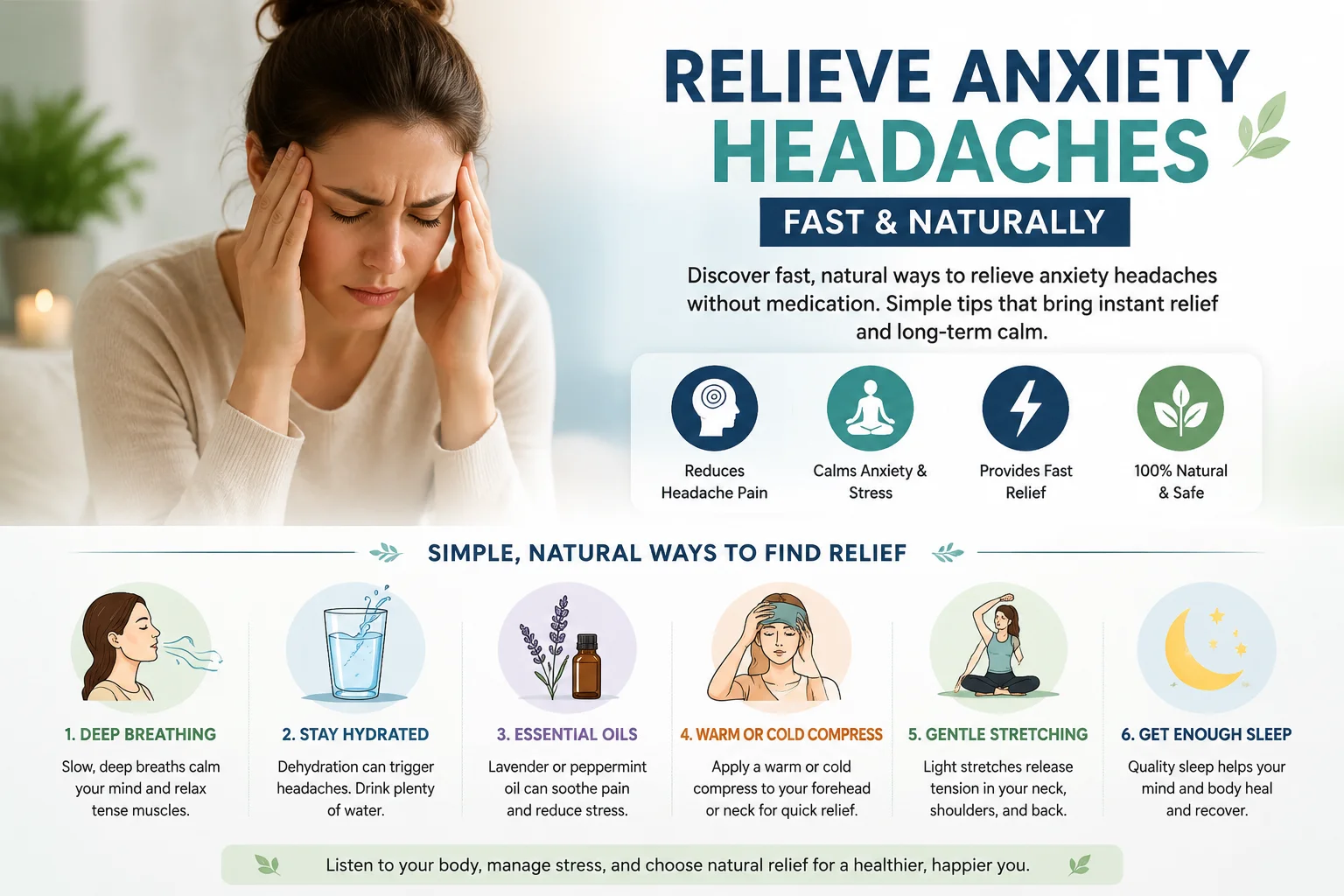
How to Relieve Anxiety Headaches Fast and Naturally

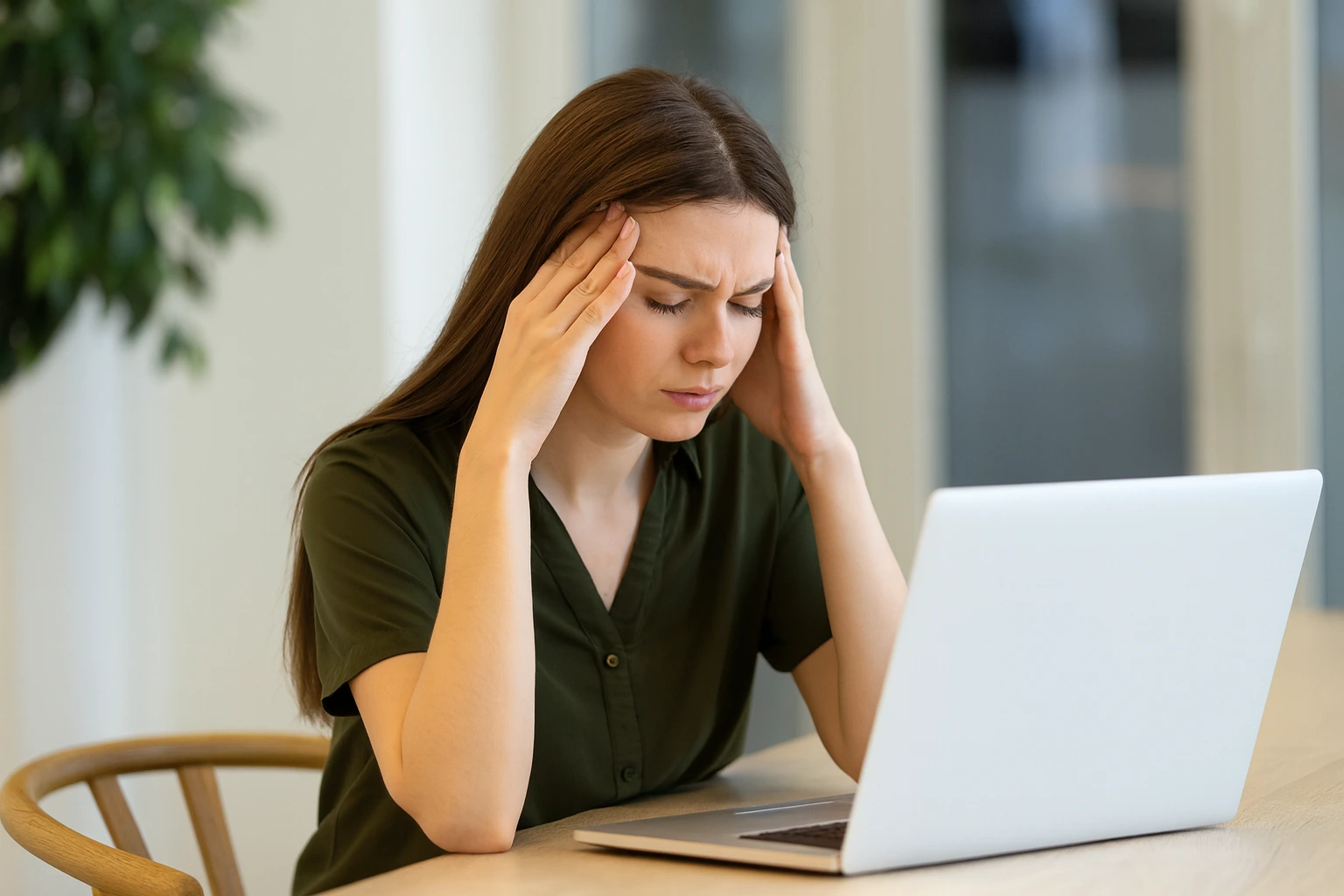
At Calm Minds Hub, we understand that anxiety headaches are a common physical symptom caused by stress, chronic anxiety, and emotional tension. Many people experience head pressure, forehead tightness, neck pain, and discomfort during stressful situations.

Stress activates the nervous system and increases muscle tension, which can trigger tension headaches and stress-induced headaches. Learning anxiety headache symptoms and natural relief methods can help improve both physical comfort and mental well-being.

What Are Anxiety Headaches?

Anxiety headaches are headaches caused or worsened by anxiety, chronic stress, or emotional overload. They usually appear as tension headaches, creating a dull, tight, or pressure-like sensation around the head.

Unlike migraines, anxiety headaches often develop gradually and may feel like a tight band around the forehead or scalp. Some people also experience jaw clenching, muscle tension, dizziness, fatigue, and brain fog alongside the headache.

Common Anxiety Headache Symptoms

Recognizing anxiety headache symptoms can help distinguish them from migraines and other medical conditions. Common signs include head pressure or tightness, pain around the forehead or temples, neck pain, shoulder stiffness, and persistent muscle tension that worsens during stressful situations.

Many people also experience dizziness, fatigue, difficulty concentrating, sensitivity to light, rapid heartbeat, sleep problems, and jaw clenching. Individuals with Generalized Anxiety Disorder or Panic Disorder may develop recurring headaches because constant nervous system activation keeps the body under ongoing stress.

How Anxiety Causes Headaches

Anxiety affects the body physically as much as mentally. When stress levels rise, the body enters a “fight or flight” state. During this response, muscles tighten, breathing patterns change, and stress hormones increase. This process contributes to stress anxiety tension headaches in several ways:

Muscle Tension

Stress causes muscles in the neck, shoulders, and scalp to tighten. This tension can create pressure and discomfort that develops into headaches.

Poor Sleep Quality

Anxiety often leads to insomnia or restless sleep. Lack of rest increases headache frequency and makes pain feel more intense.

Jaw Clenching

Many people unconsciously grind their teeth or tighten their jaw during stressful periods. This can trigger headaches around the temples and face.

Nervous System Overload

Chronic stress keeps the nervous system overstimulated, making the body more sensitive to pain and physical discomfort.

Anxiety Headache vs Migraine

Anxiety headaches and migraines can feel similar, but there are important differences.

Anxiety Headaches

  • Usually dull or pressure-like
  • Often affect both sides of the head
  • Linked to stress or emotional tension
  • Common with muscle tightness

Migraines

  • Often throbbing or pulsating
  • May occur on one side of the head
  • Can include nausea or visual disturbances
  • Frequently accompanied by sensitivity to light and sound

Some individuals experience anxiety migraine symptoms together, especially during periods of emotional stress.

Practice Deep Breathing Exercises

Natural anxiety headache treatment focuses on calming the nervous system, reducing muscle tension, and improving stress management. Deep breathing exercises help slow the stress response and relax tight muscles. Controlled breathing increases oxygen flow and reduces physical tension linked to headaches.

Stay Hydrated to Relieve Anxiety Headaches

Dehydration can worsen headache symptoms and increase fatigue. Drinking enough water throughout the day helps regulate body function and reduce head pain caused by stress. Avoid excessive caffeine and sugary drinks because they may increase anxiety symptoms in some people.

Use Progressive Muscle Relaxation

Progressive muscle relaxation involves tightening and relaxing muscle groups one at a time. This technique helps release physical tension stored in the body. It is especially effective for tension headache anxiety because it targets tight muscles in the neck, shoulders, and scalp.

Improve Sleep Hygiene

Poor sleep can intensify anxiety causing headaches. Creating healthy sleep habits supports nervous system recovery and lowers stress levels.

Helpful sleep hygiene strategies include:

  • Maintaining a consistent bedtime
  • Avoiding screens before sleep
  • Limiting caffeine late in the day
  • Keeping the bedroom cool and quiet

Better sleep often leads to fewer chronic tension headaches.

Try Meditation and Mindfulness Techniques

Meditation and mindfulness techniques help calm racing thoughts and reduce emotional stress. Regular practice can lower cortisol levels and improve emotional balance. Even ten minutes of guided meditation daily may reduce headache due to stress and anxiety.

Exercise Regularly

Exercise therapy improves blood circulation, releases endorphins, and reduces stress hormones naturally. Walking, stretching, yoga, and light cardio exercises can decrease both anxiety and headache frequency.

When to Seek Medical Help

Although most anxiety headaches are harmless, persistent or severe headaches should never be ignored. At Calm Minds Hub, we recommend seeking medical attention if a headache appears suddenly, becomes extremely intense, or causes confusion, dizziness, or vision problems that affect daily activities.

You should also consult a healthcare professional if headaches last for several days, disrupt normal routines, or occur alongside symptoms like chest pain or fainting. Proper medical evaluation can help identify underlying conditions and provide the right anxiety headache treatment for long-term relief.

Professional Treatments for Anxiety Headaches

When natural remedies do not provide enough relief, professional treatment can help manage anxiety headaches more effectively. Cognitive Behavioral Therapy (CBT) is commonly used to identify negative thought patterns that contribute to stress, anxiety, and recurring headaches.

Therapists may also teach stress management and relaxation techniques to reduce emotional overload and muscle tension. In some cases, doctors recommend medications for anxiety, migraines, or chronic headaches depending on the severity of symptoms and medical history.

Conclusion

Anxiety headaches are commonly caused by stress, muscle tension, and emotional overload, leading to symptoms like head pressure, neck pain, fatigue, and dizziness. With healthy habits such as deep breathing, hydration, meditation, and proper sleep, many people can manage symptoms naturally. At Calm Minds Hub, we believe understanding the connection between anxiety and physical health is the first step toward lasting mental and emotional wellness.

FAQs

Can anxiety cause headaches every day?

Yes, chronic stress and anxiety can trigger daily tension headaches by keeping muscles tight and the nervous system overstimulated.

What does an anxiety headache feel like?

An anxiety headache usually feels like pressure or tightness around the forehead, scalp, or back of the head. It may also include neck pain, fatigue, and dizziness.

What is the fastest natural way to relieve anxiety headaches?

Deep breathing exercises, hydration, relaxation techniques, and reducing muscle tension can help relieve anxiety headaches quickly.


Leave a Reply

Your email address will not be published. Required fields are marked *

Related Articles

At Calm Minds Hub, we understand that anxiety headaches are a common physical symptom caused by stress, chronic anxiety, and emotional tension. Many people experience head pressure, forehead tightness, neck pain, and discomfort during stressful situations.

Stress activates the nervous system and increases muscle tension, which can trigger tension headaches and stress-induced headaches. Learning anxiety headache symptoms and natural relief methods can help improve both physical comfort and mental well-being.

What Are Anxiety Headaches?

Anxiety headaches are headaches caused or worsened by anxiety, chronic stress, or emotional overload. They usually appear as tension headaches, creating a dull, tight, or pressure-like sensation around the head.

Unlike migraines, anxiety headaches often develop gradually and may feel like a tight band around the forehead or scalp. Some people also experience jaw clenching, muscle tension, dizziness, fatigue, and brain fog alongside the headache.

Common Anxiety Headache Symptoms

Recognizing anxiety headache symptoms can help distinguish them from migraines and other medical conditions. Common signs include head pressure or tightness, pain around the forehead or temples, neck pain, shoulder stiffness, and persistent muscle tension that worsens during stressful situations.

Many people also experience dizziness, fatigue, difficulty concentrating, sensitivity to light, rapid heartbeat, sleep problems, and jaw clenching. Individuals with Generalized Anxiety Disorder or Panic Disorder may develop recurring headaches because constant nervous system activation keeps the body under ongoing stress.

How Anxiety Causes Headaches

Anxiety affects the body physically as much as mentally. When stress levels rise, the body enters a “fight or flight” state. During this response, muscles tighten, breathing patterns change, and stress hormones increase. This process contributes to stress anxiety tension headaches in several ways:

Muscle Tension

Stress causes muscles in the neck, shoulders, and scalp to tighten. This tension can create pressure and discomfort that develops into headaches.

Poor Sleep Quality

Anxiety often leads to insomnia or restless sleep. Lack of rest increases headache frequency and makes pain feel more intense.

Jaw Clenching

Many people unconsciously grind their teeth or tighten their jaw during stressful periods. This can trigger headaches around the temples and face.

Nervous System Overload

Chronic stress keeps the nervous system overstimulated, making the body more sensitive to pain and physical discomfort.

Anxiety Headache vs Migraine

Anxiety headaches and migraines can feel similar, but there are important differences.

Anxiety Headaches

  • Usually dull or pressure-like
  • Often affect both sides of the head
  • Linked to stress or emotional tension
  • Common with muscle tightness

Migraines

  • Often throbbing or pulsating
  • May occur on one side of the head
  • Can include nausea or visual disturbances
  • Frequently accompanied by sensitivity to light and sound

Some individuals experience anxiety migraine symptoms together, especially during periods of emotional stress.

Practice Deep Breathing Exercises

Natural anxiety headache treatment focuses on calming the nervous system, reducing muscle tension, and improving stress management. Deep breathing exercises help slow the stress response and relax tight muscles. Controlled breathing increases oxygen flow and reduces physical tension linked to headaches.

Stay Hydrated to Relieve Anxiety Headaches

Dehydration can worsen headache symptoms and increase fatigue. Drinking enough water throughout the day helps regulate body function and reduce head pain caused by stress. Avoid excessive caffeine and sugary drinks because they may increase anxiety symptoms in some people.

Use Progressive Muscle Relaxation

Progressive muscle relaxation involves tightening and relaxing muscle groups one at a time. This technique helps release physical tension stored in the body. It is especially effective for tension headache anxiety because it targets tight muscles in the neck, shoulders, and scalp.

Improve Sleep Hygiene

Poor sleep can intensify anxiety causing headaches. Creating healthy sleep habits supports nervous system recovery and lowers stress levels.

Helpful sleep hygiene strategies include:

  • Maintaining a consistent bedtime
  • Avoiding screens before sleep
  • Limiting caffeine late in the day
  • Keeping the bedroom cool and quiet

Better sleep often leads to fewer chronic tension headaches.

Try Meditation and Mindfulness Techniques

Meditation and mindfulness techniques help calm racing thoughts and reduce emotional stress. Regular practice can lower cortisol levels and improve emotional balance. Even ten minutes of guided meditation daily may reduce headache due to stress and anxiety.

Exercise Regularly

Exercise therapy improves blood circulation, releases endorphins, and reduces stress hormones naturally. Walking, stretching, yoga, and light cardio exercises can decrease both anxiety and headache frequency.

When to Seek Medical Help

Although most anxiety headaches are harmless, persistent or severe headaches should never be ignored. At Calm Minds Hub, we recommend seeking medical attention if a headache appears suddenly, becomes extremely intense, or causes confusion, dizziness, or vision problems that affect daily activities.

You should also consult a healthcare professional if headaches last for several days, disrupt normal routines, or occur alongside symptoms like chest pain or fainting. Proper medical evaluation can help identify underlying conditions and provide the right anxiety headache treatment for long-term relief.

Professional Treatments for Anxiety Headaches

When natural remedies do not provide enough relief, professional treatment can help manage anxiety headaches more effectively. Cognitive Behavioral Therapy (CBT) is commonly used to identify negative thought patterns that contribute to stress, anxiety, and recurring headaches.

Therapists may also teach stress management and relaxation techniques to reduce emotional overload and muscle tension. In some cases, doctors recommend medications for anxiety, migraines, or chronic headaches depending on the severity of symptoms and medical history.

Conclusion

Anxiety headaches are commonly caused by stress, muscle tension, and emotional overload, leading to symptoms like head pressure, neck pain, fatigue, and dizziness. With healthy habits such as deep breathing, hydration, meditation, and proper sleep, many people can manage symptoms naturally. At Calm Minds Hub, we believe understanding the connection between anxiety and physical health is the first step toward lasting mental and emotional wellness.

FAQs

Can anxiety cause headaches every day?

Yes, chronic stress and anxiety can trigger daily tension headaches by keeping muscles tight and the nervous system overstimulated.

What does an anxiety headache feel like?

An anxiety headache usually feels like pressure or tightness around the forehead, scalp, or back of the head. It may also include neck pain, fatigue, and dizziness.

What is the fastest natural way to relieve anxiety headaches?

Deep breathing exercises, hydration, relaxation techniques, and reducing muscle tension can help relieve anxiety headaches quickly.

Leave a Reply

Your email address will not be published. Required fields are marked *

Popular Tags

contact us


    Your Resource for Verified Health Insights

    Dive into our comprehensive library of articles covering health, wellness, and the latest in online medical consultation. Every post is crafted and reviewed by experienced professionals to ensure you receive accurate, reliable information. Empower yourself to make informed decisions about your health journey. Start exploring our expertise today!

    A little something about us

    It is a long established fact that a reader will be distracted by the readable content of a page when looking at its layout. The point of using Lorem Ipsum is that it has a more-or-less normal distribution of letters.

    Contact Now

    If you come all the way down here, you probably really like our MentalPress theme. To save you all the troubles finding where to buy this theme, we have a solution for that too. Just click the button below.

    PAYMENT METHODS:

    Scroll to Top