


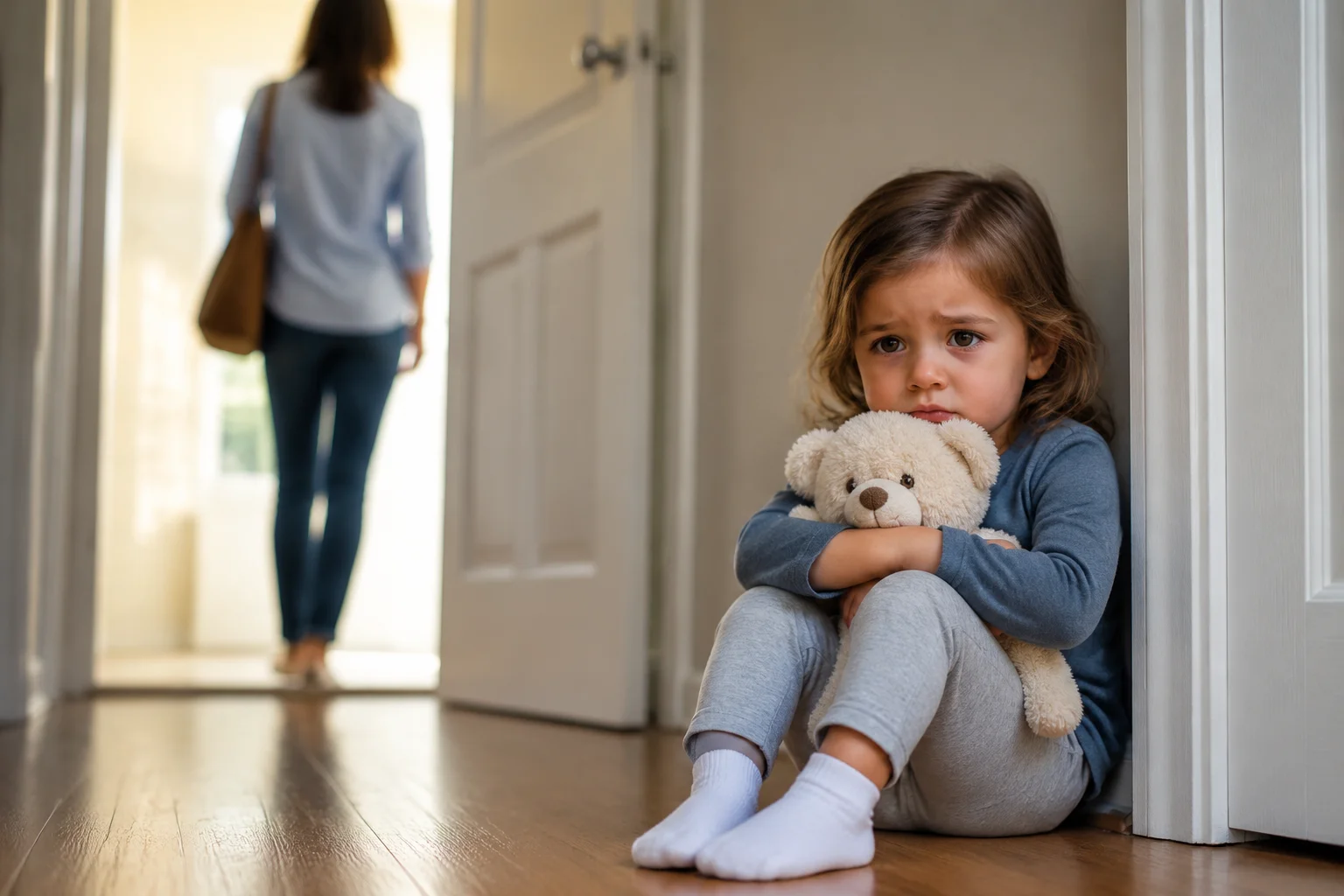

Separation anxiety isn’t just a passing concern, it is a serious emotional state and can affect children and adults. It is an outgrowth of the interaction of brain processes, early childhood experiences and social influences. Is marked by extreme fear or distress regarding separation from a loved one, caregiver or familiar environment.
Separation anxiety is common in early childhood but may continue in adulthood and become quite debilitating. At Calm Minds Hub we discuss its emotional and psychological dimensions and teach ways for individuals and caregivers to better manage it and become resilient.
How the Brain Processes Fear and Attachment?
The brain is a key component in separation anxiety, mainly involving the amygdala, prefrontal cortex and hippocampus. Separation stimulates the amygdala, making them more alert and emotionally reactive. In the meantime, the prefrontal cortex which regulates rational thinking tries to control these feelings and the hippocampus sets the context for memories related to attachment and safety.
The process of attachment theory can be used to describe the way in which early bonding experiences influence the way a person reacts to separation. Secure attachments will help to build confidence and independence, while inconsistent or interrupted attachments can increase anxiety.
Role of Early Childhood Experiences
One’s emotional resiliency is formed by early experiences. Frequent changes in care and/or inconsistent emotional support can sensitize children to separation. These experiences can create a general sense of abandonment that can lead to clinginess, worry or outbursts of emotion.
Secure attachment is fostered by positive reinforcement, consistent routines and caring interactions. Regular support helps children to deal with periods of separation more successfully. It’s important that the connection between early experiences and later anxiety patterns is understood in order to prevent and design interventions.
Recognizing Separation Anxiety in Children
Catching separation anxiety in children is difficult and calls for a careful assessment of emotion and behavior. Children might not want to attend school, not be able to sleep alone or be very anxious about the safety of caregivers. It is important to identify them early so that intervention can take place, minimizing the long term effects on emotions.
Some behavioral symptoms may change depending on the age. Toddlers can cry and cling or throw temper tantrums and children in school may complain of abdominal pain or headaches. While adolescents may be better verbalizers, there may be signs of withdrawing, irritability and difficulty concentrating.
Common Behavioral Signs in Different Age Groups
- Toddlers often express anxiety through crying, tantrums and clinginess.
- School aged children may show resistance to school, fear of being alone or frequent physical complaints.
- Seperation anxiety in teens can display irritability, withdrawal or reluctance to engage in social activities.
Emotional and Social Consequences for Kids
Separation anxiety can impact a child’s social and school progress. Children may have difficulty making friendships, joining in group activities or in school. The stress may be felt by the family too, which can lead to stress and conflict among the children and caregivers.
Long term effects may be ongoing separation anxiety disorder, lower self confidence and stress management. These effects can be reduced if they are recognized early and provided with supporting interventions that will lead to healthier emotional regulation and social competence.
How Separation Anxiety in Adults
Separation anxiety can continue into adulthood from childhood or triggered by life events such as relationship issues, moving or loss. Symptoms include a high amount of worry when away from familiar people, obsessive checking behaviors or fear of being alone.
Separation anxiety in adulthood can wreak havoc on employment, social and romantic relationships. It may be accompanied by depression and other anxiety disorders, making this diagnosis and treatment more complicated. It is essential to be able to identify adult patterns in order to be able to access effective therapeutic strategies and promote emotional health.
Effective Strategies to Manage Separation Anxiety
There are behavioural, cognitive and emotional strategies involved in coping with separation anxiety. We will introduce our cognitive behavioral therapy (CBT) to help you recognize negative thinking patterns and to practice positive coping. Even when practiced in a simple way, deep breathing and meditation can help to regulate emotions and stress reactivity.
Groups and counselling support offer a safe space to share experiences, validate feelings and share learning. Over time, gradually increasing the exposure, gradually increasing the distance helps to decrease the fear response.
Coping Techniques and Mindfulness Practices
Practices of mindfulness increase awareness of emotional state and reduce rumination. Guided imagery, muscle relaxation and deep breathing are examples of meditation techniques that help one to feel calm and in control.
Consider using journaling or reflective practice to amplify the impact of mindfulness to further increase awareness and coping. These methods, if used regularly, help decrease the level of anxiety when separated and increase resilience.
Tips for Parents and Caregivers
- A predictable routine gives children a sense of security.
- Be open and honest with the child about the separation and offer reassurance; avoid acting punitively for anxious behaviour.
- Allow children some time away from caregivers, gradually increasing time.
- When separation is done successfully by positive reinforcement, it boosts confidence and reduces the use of anxious behaviours.
Final Thoughts
Separation anxiety is a complex process which can last from childhood to adulthood. Proper management of neurological, emotional and behavioral aspects is important. Strategies, such as CBT, mindfulness and parental guidance and therapeutic interventions, can be used to help people become more resilient and emotionally regulated. Calm Minds Hub is an Evidence Based Strategies and Supportive Care for Children and Adults to help them decrease their separation anxiety to live a healthy and confident life.
FAQs
What are the early signs of separation anxiety in children?
Early signs include clinginess, frequent crying, refusal to attend school, physical complaints and intense worry about a caregiver’s safety.
Can adults develop separation anxiety?
Yes, adults can develop separation anxiety due to unresolved childhood experiences, relationship changes or significant life stressors.
Is separation anxiety treatable without medication?
Yes, separation anxiety can often be managed effectively with therapy, mindfulness practices, behavioral strategies and supportive counseling.