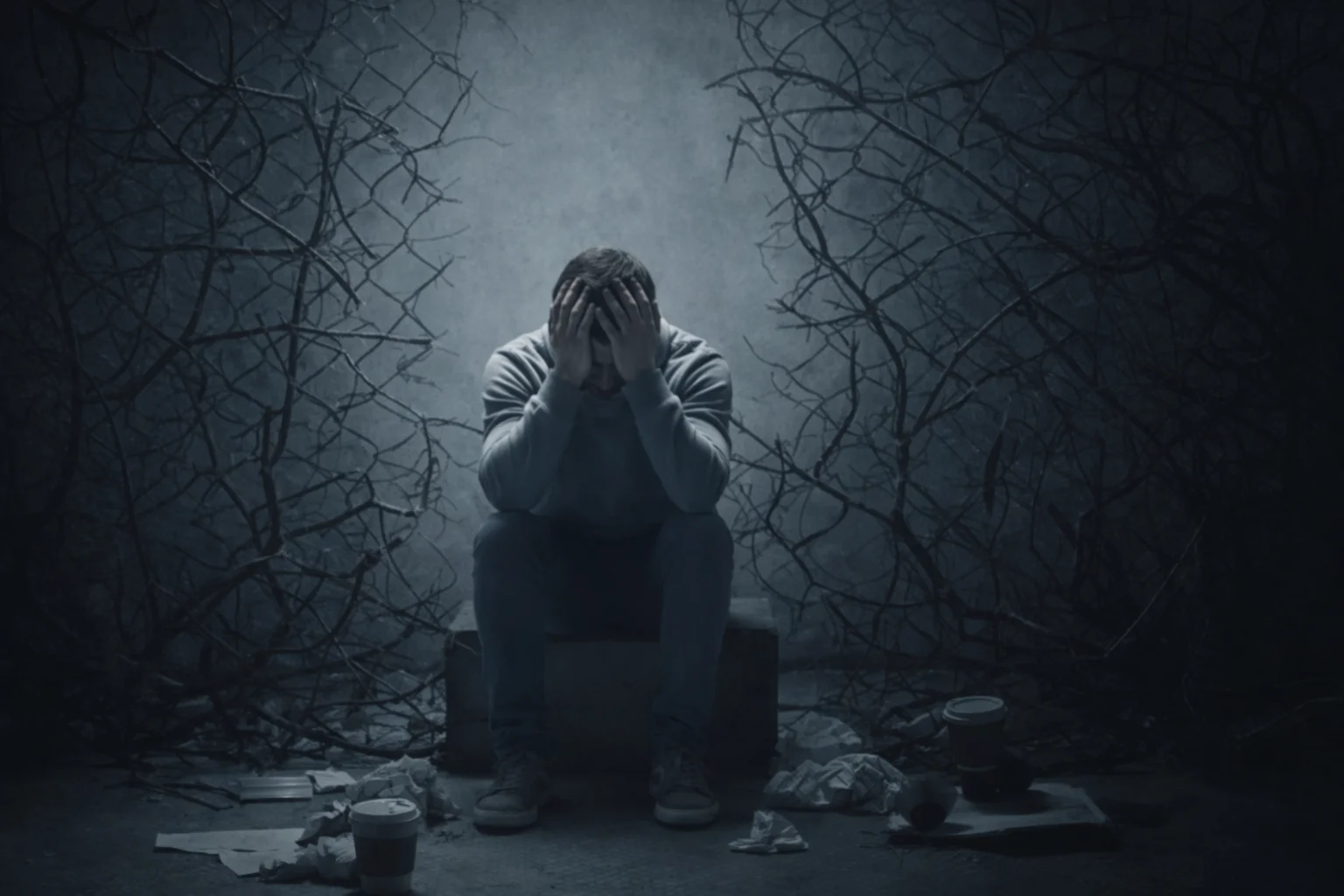


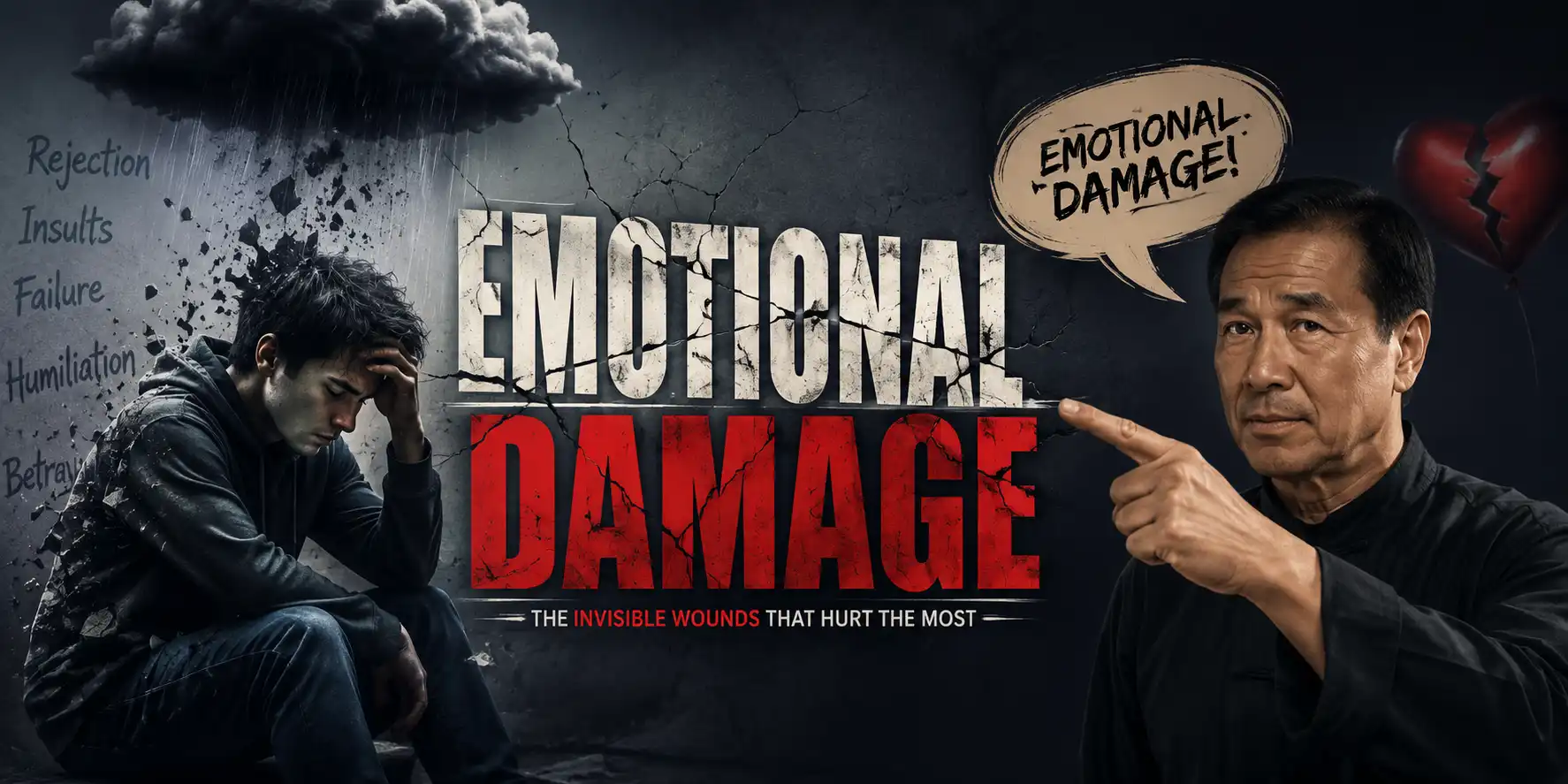

Some emotional pain is invisible but has far-reaching effects. Invisible wounds from trauma, toxic relationships, work stress and childhood trauma afflict millions of Americans. When not treated, these wounds work their way into a person’s self-esteem, sense of stability, and mental well-being. One of the most crucial steps towards permanent recovery is understanding what emotional damage is, how it occurs, and how it affects the mind and body.
At Calm Minds Hub, we want you to understand what emotional damage actually is, how it shows up in your life, and most importantly, that you are not stuck this way. Healing is real, and it is possible for you.
What Is Emotional Damage and Where Does It Come From?
It’s the recurrent suffering after an intensely hurtful or astounding occurrence, in the easiest terms. It may be a one-time occurrence such as a traumatic accident or the sudden loss of a loved one. Or, it might be something that has happened over a long period of time, such as feeling unsafe in your family since childhood, or a multitude of relationships in which you were downed or made to feel worthless for years.
Harm to the emotions is not a fault in the person. It isn’t a weakness or some permanent defect. There are only those who have been forced to go through experiences that are too difficult on their own, and those experiences are not nurtured and cared for adequately so that they can heal. The pressure of those lingering emotions begins to define your attitudes, interactions and perceptions about yourself and others, as well as your experiences of the world.
Emotional Damage Signs
One of the toughest aspects about emotional harm symptoms is that they can manifest as being a lot of different things. You may appear to others that you are unsettable, distant, or difficult. Nor will you necessarily link your own actions to years of pain.
Below are some of the most frequent signs to look out for. It is possible that you will be withdrawing from social situations even ones you used to enjoy. You may find you become very angry for something trivial, and then find yourself wondering why you were so so upset. Numbness may be a feeling of going through the motions, without feeling a strong connection to life. You may also be filled with a gradual daunting feeling of shame—you feel like you’re just not cut out for it, regardless of what you’re doing.
Emotional Damage Symptoms in Your Body and Mind
Emotional damage symptoms don’t only exist in your head. They are also present in your body, and can even manifest in physical ways that can make you think you are physically ill.Persistent headaches with no specific cause. Abdominal ailments that are recurrent. Feeling exhausted no matter how much sleep you get. Rigid shoulders and jaw that is constricted all day. They signify that something is still unresolved in your emotions and must be addressed.
The symptoms appear, such as difficulty paying attention, forgetting simple things easily, being “on edge” as if something bad is going to occur, or experiencing intrusive memories of pain without being able to opt for them. When unexpressed, emotional pain can also cause anxiety and depression in many people. If left untreated, these live the narrowest of lifespans, allowing you to barely survive from one day to the next.
Emotional Damage at Work and Why It Matters So Much?
Most people spend a huge portion of their lives at work. So it makes sense that what happens at work has a powerful impact on mental health. Emotional damage at work is more common than most people realize, and it is also one of the least talked about forms of emotional harm.
It can come from a boss who constantly criticizes or humiliates you in front of others. It can come from coworkers who exclude you, spread rumors, or make you feel invisible. It can come from working in an environment where you are constantly overloaded, undervalued, and given no support. Over time, these experiences pile up and start to leave real psychological marks on a person. The team at Calm Minds Hub always emphasizes that small, consistent steps matter far more than dramatic overnight changes.
How Emotional Damage Changes Your Relationships?
If you are carrying your unhealed emotional wounds for long, they insidiously alter your relationship. One could come to an experience of always being left alone by the ones they love.One may find themselves always waiting to leave alone with the loved ones. Just when you begin to get into an intimate moment you may push them away. You may have relationships that are not good for you because, at the core of the relationships, they feel like being at home – they just feel like they are because they cause pain.
Your interaction with yourself is different as well. The inner voice that agrees with everything you’ve heard can cause you years of hurt, ignoring or perhaps being told that you are not meriting enough for it, can stick around in your head. This inner voice may say things like: “I don’t deserve love, I’m a burden to people, there’s no point in me getting better. It lies. But, as you’ve heard it enough, sometimes heard it can seem like the truth.
Real Steps You Can Take to Start Healing
- Emotional healing isn’t having to forget the past. It’s about learning how to skimp it around in a new way.
- Be honest with yourself as to pain.
- Repressing emotions doesn’t eliminate them. They come out in ways every time!
- Your therapist teaches you about the source of pain.
- They will make you aware of the way you behave and lead you towards better patterns.
- Put off asking for help until you feel out of control.
- Get regular physical activity.
- Adequate sleep at night time.
- Take time to spend with someone who makes you feel like they are supporting you and your efforts.
- Use mindfulness to watch the thoughts emerge but don’t let them drive you.
- Of course, these habits are not the answer to all the problems, yet they lay the groundwork towards a higher level of healing.
- The little things make the big difference, so don’t wait for big drama.
Conclusion
Emotional damage is very real, it is serious and it affects a far greater number than people acknowledge. If you carry it secretly, it is not a size small enough to carry. It only makes it less convenient with the passage of time.
You should feel better. You deserve an understanding of what you’ve endured and self-care and compassion, which you can show a close friend who is hurting. It doesn’t matter if it is from childhood, a rough relationship, an unfulfilling job or a loss you didn’t go through, it’s never too late. At Calm Minds Hub the goal is to provide the knowledge and encouragement that helps people take their emotional health seriously. No one should have to navigate this journey alone, and no wound is too old or too deep to begin healing today.
Frequently Asked Questions
What is emotional damage in simple words?
Emotional damage is the hurt sustained on ones level, which causes damage that lasts after the traumatic or hurt experience. It influences one’s thoughts, feelings and interactions with others, and can happen without one being aware of it.
Can emotional damage symptoms affect your body too?
Yes, absolutely. Symptoms of unhealed emotional pain include headaches, fatigue, stomach issues, clenching muscles and trouble sleeping.
Can a person fully recover from emotional damage?
Yes. Full recovery is very much possible, with support, self-awareness and perseverance.