

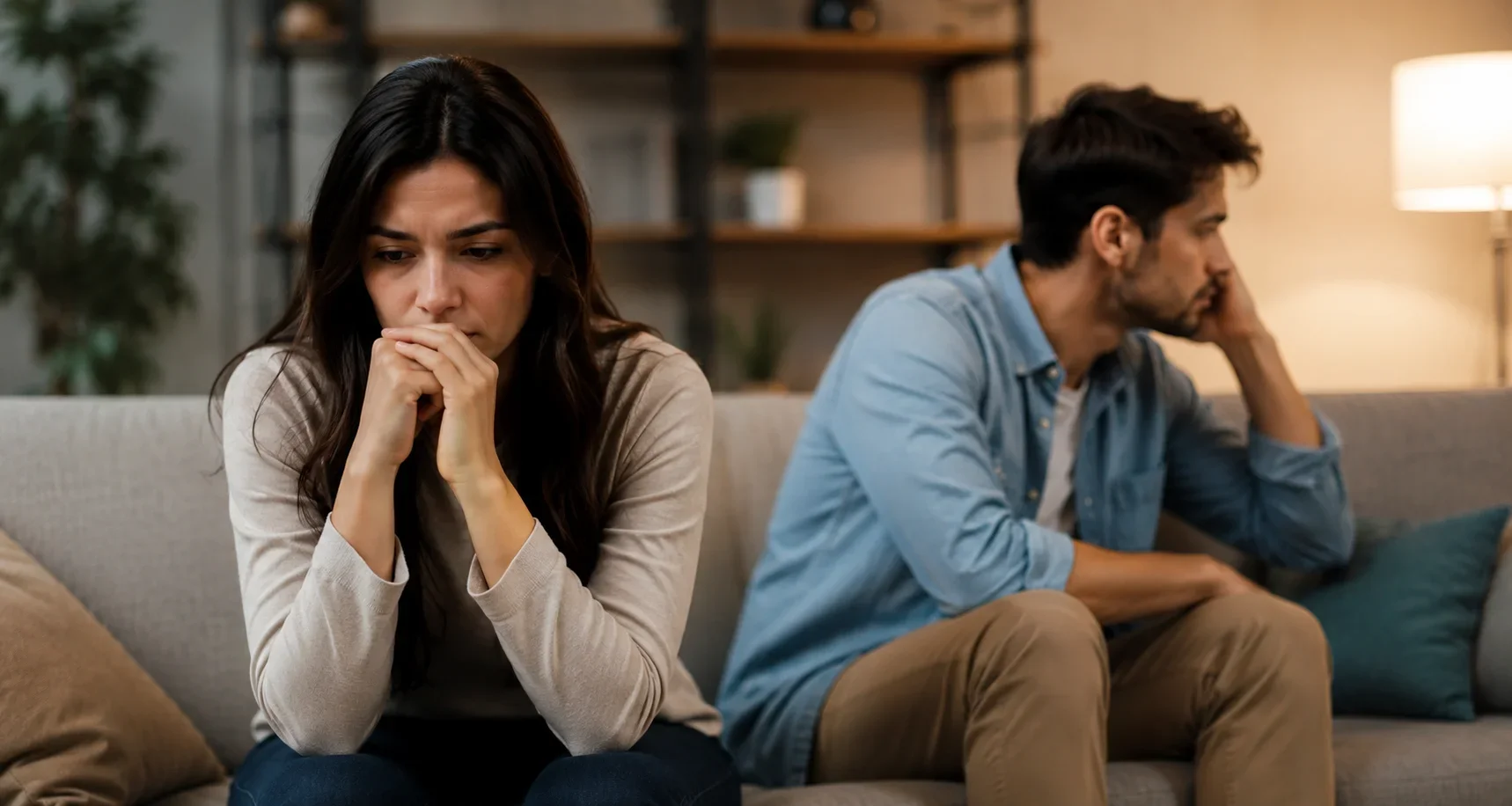

Relationships may result in Love, Support and happiness, but in Fear, Uncertainty and emotional stress. Many experience a level of anxiety in relation to their relationships at some time in their life experiences. They may come in the form of worrying about you being abandoned, believing that your partner doesn’t love you anymore or that they are thinking of leaving. Although it is healthy to feel worried about things at times, it can be more challenging to live with anxiety that actually impacts satisfaction with life and relationships.
The first thing to do when it comes to advancing relationship anxiety is to know it. To build more emotionally secure relationships, it is critical that you learn about causes, symptoms and solutions for these. At Calm Minds Hub we feel that raising awareness and practical coping mechanisms can aid people build more satisfying and stable relationships.
What Is Relationship Anxiety?
Relationship anxiety is the constant, recurring and/or overwhelming feelings of worry and/or fear and or insecurity about a romantic relationship. It’s possible in an ongoing relationship or a new one. The anxious person asks themselves all kinds of questions about their partner’s thoughts and feelings, what they’re doing and whether their partner will reject them or not.
When feeling anxious in a relationship, it’s not always a sign of an unhealthy relationship. May be a result of insecurity in the individual, previous experiences, attachment styles and anxiety disorders. If not resolved, it can lead to a conflict and misunderstandings among partners.
Common Relationship Anxiety Symptoms
- Need constant reassurance from the partner on how he feels and how committed he/she is to staying with you.
- Being too preoccupied with what was said or what they should’ve said.
- Feeling a longing for abandonment, rejection or infidelity.
- Self sabotaging beginning conflicts and/or putting a bad space between.
- Unsure of what you need to do to protect your partner, insecurity and fear of losing the person you’re with, making you feel jealous or possessive.
- Trouble letting go and enjoying the relationship due to constant concerns and fear.
- Fearing and uncertain in relationships leading to choices and action based on fear.
- Experiencing symptoms such as a headache, stomach pain, muscle tension or difficulty sleeping.
Common Causes of Relationship Anxiety
By understanding why you’re experiencing your relationship anxiety, you can better manage it. Past traumas and experiences such as betrayal, abandonment or emotional neglect contribute to a sense of lack of trust in future relationships.
Other common causes involve anxious styles of attachment, low self esteem and fear of rejection. Social media (over exposure) and the unrealistic expectations of a relationship can also be a factor and it is easy to fall into comparison traps and feel insecure.
How to Deal With Relationship Anxiety
Managing relationship anxiety can be challenging, but the following strategies can help you feel more secure and confident in your relationship.
- Build self awareness before reacting: Recognize anxious thoughts and remind yourself that they are feelings, not facts.
- Challenge negative thinking patterns: Question worst case assumptions and consider more realistic explanations.
- Communicate openly and honestly: Express your feelings calmly using “I feel” statements rather than blame or accusations.
- Maintain a life outside the relationship: Invest in hobbies, friendships and personal goals to strengthen your sense of self.
- Practice mindfulness and grounding techniques: Techniques such as meditation and deep breathing can help manage anxious thoughts in the moment.
- Set boundaries with anxious thoughts: Limit excessive worry by giving yourself a specific time to process relationship concerns and redirecting your focus afterward.
These habits can gradually reduce relationship anxiety and help you build a healthier, more secure relationship.
Building Trust and Emotional Security
Trust is important in alleviating relationship anxiety and developing a secure bond. Relationships build trust, trustworthiness and respect. Instead, take a look at what your partner is doing and the trust he/she is creating as it has been building over time.
Individuality within the couple, coupled with clear expectations, also acts to make the boundaries more healthy and strengthen emotional security in the relationship. Self awareness is a strong aspect that Calm Minds Hub promotes and learning to know how to respond to the emotional reactions can help individuals to respond more calmly and confidently when feeling anxious.
Mental Health Support for Relationship Anxiety
Sometimes the anxiety in a relationship can be so great it impairs daily living and relationship functioning. The best alternative may be to require expert help when required.
If the anxiety is still present, if you experience frequent panic, if you have relationship doubts and/or if you have relationship issues that are never resolved, then you might need the help of an expert. Consultation with a mental health professional is helpful in identifying the cause and finding ways to cope, which will be different for each individual.
Relationship anxiety therapist
A relationship anxiety therapist is a specialist in helping you and your partner or other people to understand and control anxiety and insecurities associated with relationships. Therapy can provide significant tools for learning to communicate, increases positive value of self, helps to manage emotions and builds trust.
Negative thoughts are identified in cognitive behavioral therapy (CBT) that might add to relationship anxiety. Couples counselling can also help couples become more knowledgeable about healthy communication and enhance their emotional bonding.
Long Term Habits for a Healthier Relationship
It will take time and effort from both of you to develop a healthier relationship. Maintaining a connection by communicating, helping build trust and being emotionally honest reduces anxiety and helps strengthen connections. Regular communication about feelings and expectations can prevent misunderstandings and help to foster a greater connection.
Expressing gratitude and concentrating on positive aspects of your partner can also enhance relationship satisfaction. In the meantime, a balanced and secure relationship can be produced through maintaining independence and appreciating the factors that none of the relationships is flawful.
Final Thoughts
Having relationship anxiety is a negative experience, but it should not negatively impact relationships. If you understand what’s happening and know its triggers, symptoms and healthy coping mechanisms, you can feel more emotionally secure, improving the relationship with your partner.
The first step to improving relationships is to be aware of yourself, honest and challenge anxiety in thinking. Positive development or change can be achieved with or without personal development, using conducive talk or external tutoring. At Calm Minds Hub we seek a pragmatic, emotional and compassionate approach to issues in relationships.
FAQs
Can relationship anxiety go away on its own?
Mild relationship anxiety may improve as trust and confidence grow over time. However, persistent anxiety often benefits from intentional coping strategies or professional support.
Is relationship anxiety a sign that the relationship is wrong?
Not necessarily. Relationship anxiety often stems from personal fears, past experiences or attachment patterns rather than actual problems within the relationship.
How can I stop overthinking my relationship?
Focus on facts instead of assumptions, practice mindfulness, communicate openly with your partner and challenge negative thought patterns that fuel unnecessary worry.