
Your path to better health starts here. Book your consultation today.

Your path to better health starts here.

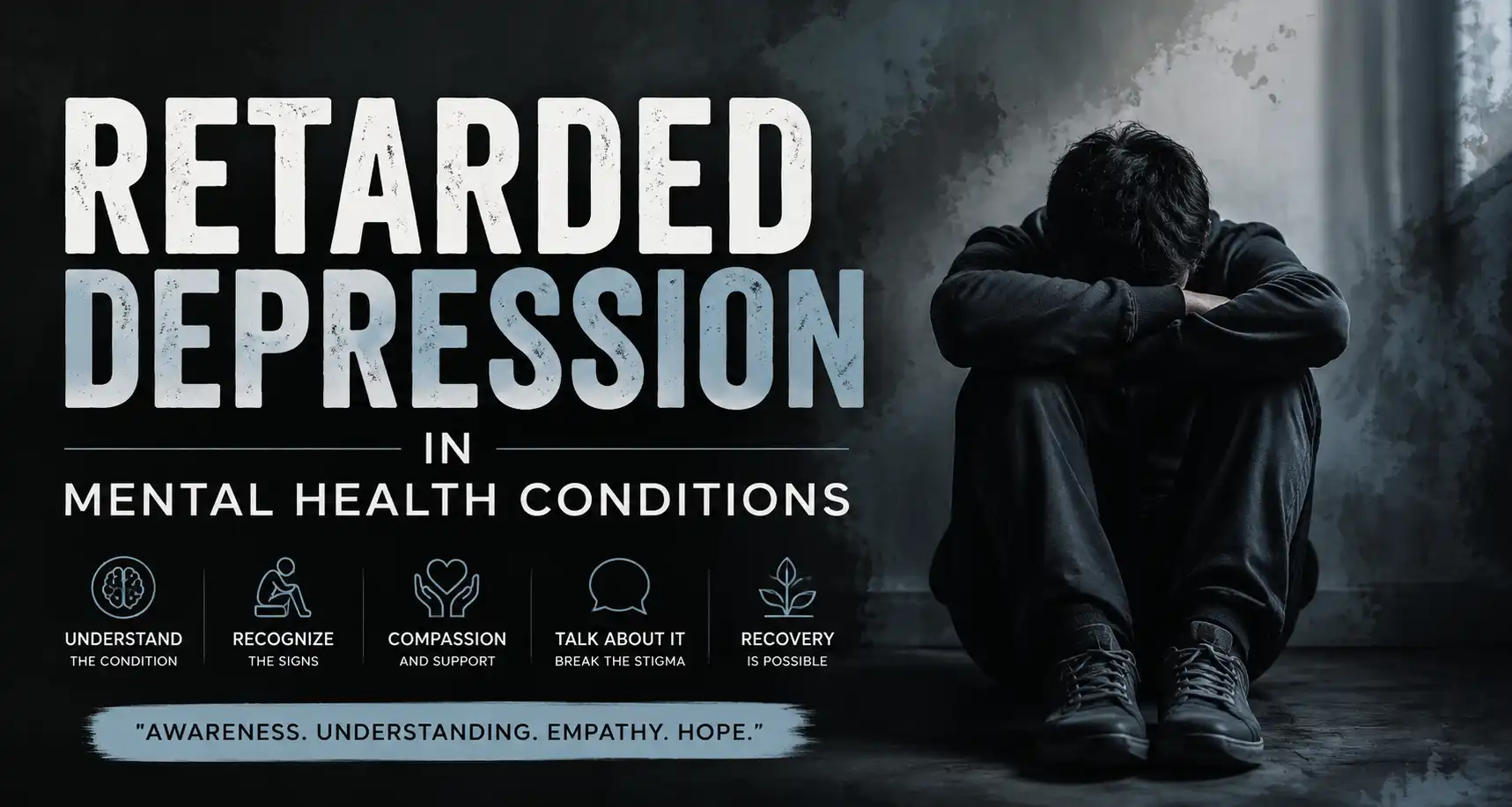
Retarded Depression in Mental Health Conditions

Dozen of articles. Improve your lifestyle now!

Understanding Retarded Depression in Mental Health Conditions

Retarded depression is a type of major depression in which mental and physical activity are slowed down, or psychomotor retardation is evident. This is more than just sadness it is a change in thinking, speaking and living. We take a compassionate approach to these topics at Calm Minds Hub understanding that seeking understanding is a crucial step towards healing and support.

Those who have this may feel as though their mind and body are moving at a snail’s pace. Simple things become overwhelming and the world seems far or hard to engage with. Early identification of these patterns can help to ensure timely access to care and enhance quality of life.

What is Retarded Depression?

Retarded depression is a type of depression in which psychomotor retardation is a major symptom. Thoughts are slower to process, responses are delayed, and physical activity is decreased. This is unlike other forms of depression that may be characterized by restlessness or agitation.

In clinical settings, it is very similar to melancholic depression. Speech, facial expression and overall motivation are impaired, and normal activities may be difficult. This is important to know to distinguish it from overall tiredness or other health problems.

Retarded Depression Symptoms

Common symptoms are slow speech with pauses, quiet voice and delayed responses to conversations or events. Physically, they may shuffle their feet when walking, slump their shoulders or have less facial expression, sometimes referred to as a “masked” or “blank” look.

Cognitive effects may involve difficulty concentrating, slower decision making and “foggy” thinking in the head, that can impact memory or problem solving. The delayed depression symptoms can be mild or severe, and can get worse in the morning and vary throughout the day. They are clear to others that something is amiss with the person.

Self-care is longer or harder to do on a daily basis, including bathing, eating, and doing chores. Withdrawal is often seen as a result of social interactions requiring more energy than is available.

Daily functioning suffers as basic self-care like grooming, eating, or household chores takes much longer or feels impossible. Social withdrawal frequently follows because interactions demand more energy than available.

Psychomotor Retarded Depression

The essence of psychomotor retarded depression is a measurable slowing of the relationship between thought and action. This involves disruptions in the brain areas responsible for initiating movement and for mental processing speed, often linked to neurotransmitter imbalances like dopamine and serotonin.

It is observable in tests of reaction time, speech and motor tasks by doctors. This is objective, as opposed to subjective symptoms like low mood, and helps to make an accurate diagnosis and monitor treatment progress.

This presentation is often observed in severe and melancholic depression and can be observed in bipolar depressive episodes. It emphasizes that depression is a whole-body experience rather than an emotional one.

Causes and Risk Factors

Biological factors are also important such as genetic predispositions, changes in brain circuits that involve the basal ganglia and prefrontal cortex, and hormonal changes in the HPA axis. The slowing may be caused by or exacerbated by some medical conditions or medications.

Vulnerability is heightened by environmental stress, trauma history, and chronic illness. Some familial linkage with the symptom cluster in relatives of those with mood disorders. Knowing personal risk is important for proactive mental health management.

After depression has set in, lifestyle factors such as poor sleep, poor nutrition or lack of exercise can exacerbate depression. These are all interrelated and are considered in professional assessment.

Retarded Depression Treatment Approaches

Treatment usually involves a combination of medication and psychotherapy that focuses on both mood and psychomotor symptoms. Antidepressants (particularly those that also influence norepinephrine or dopamine in addition to serotonin) may be helpful in restoring energy and speed of thought and movement.

Cognitive behavioral therapy (CBT) and behavioral activation are used to promote gradual re-engagement with activities and to break the cycle of inertia. In some cases, neuromodulation techniques like transcranial magnetic stimulation (TMS) or electroconvulsive therapy (ECT) may be beneficial when other treatments are not effective for a longer period of time. Lifestyle interventions involve structured routines, light exercise, sleep hygiene and nutrition. Support groups and family education to create a compassionate healing environment. Treatment is tailored to each patient as responses are variable.

Conclusion

One of the many features of major depression is retarded depression, which is manifested by psychomotor slowing. These challenges can be addressed and people can find a way to make it to a meaningful recovery and to function better in their daily lives if they are recognized and cared for with compassion. At Calm Minds Hub, we know that seeking help is a strength. For those who are suffering from these symptoms, the best approach is to get full support, mind, body and environment.

FAQs

What is the difference between retarded depression and other forms of depression?  

It is characterized mainly by the presence of slowed thinking, speech and physical movements, not agitation or high anxiety. This psychomotor retardation is more evident to others and is often a part of a specific assessment.

Is it possible to improve the symptoms of depression that are delayed?  

Yes, many people feel better about themselves, both emotionally and psychomotorically, when they use a combination of medication, therapy and lifestyle changes. 

What are the ways that family members can help a person with psychomotor retarded depression?  

Be patient with slow responses and help to break down tasks into smaller steps, but don’t criticize.


Leave a Reply

Your email address will not be published. Required fields are marked *

Related Articles

Retarded depression is a type of major depression in which mental and physical activity are slowed down, or psychomotor retardation is evident. This is more than just sadness it is a change in thinking, speaking and living. We take a compassionate approach to these topics at Calm Minds Hub understanding that seeking understanding is a crucial step towards healing and support.

Those who have this may feel as though their mind and body are moving at a snail’s pace. Simple things become overwhelming and the world seems far or hard to engage with. Early identification of these patterns can help to ensure timely access to care and enhance quality of life.

What is Retarded Depression?

Retarded depression is a type of depression in which psychomotor retardation is a major symptom. Thoughts are slower to process, responses are delayed, and physical activity is decreased. This is unlike other forms of depression that may be characterized by restlessness or agitation.

In clinical settings, it is very similar to melancholic depression. Speech, facial expression and overall motivation are impaired, and normal activities may be difficult. This is important to know to distinguish it from overall tiredness or other health problems.

Retarded Depression Symptoms

Common symptoms are slow speech with pauses, quiet voice and delayed responses to conversations or events. Physically, they may shuffle their feet when walking, slump their shoulders or have less facial expression, sometimes referred to as a “masked” or “blank” look.

Cognitive effects may involve difficulty concentrating, slower decision making and “foggy” thinking in the head, that can impact memory or problem solving. The delayed depression symptoms can be mild or severe, and can get worse in the morning and vary throughout the day. They are clear to others that something is amiss with the person.

Self-care is longer or harder to do on a daily basis, including bathing, eating, and doing chores. Withdrawal is often seen as a result of social interactions requiring more energy than is available.

Daily functioning suffers as basic self-care like grooming, eating, or household chores takes much longer or feels impossible. Social withdrawal frequently follows because interactions demand more energy than available.

Psychomotor Retarded Depression

The essence of psychomotor retarded depression is a measurable slowing of the relationship between thought and action. This involves disruptions in the brain areas responsible for initiating movement and for mental processing speed, often linked to neurotransmitter imbalances like dopamine and serotonin.

It is observable in tests of reaction time, speech and motor tasks by doctors. This is objective, as opposed to subjective symptoms like low mood, and helps to make an accurate diagnosis and monitor treatment progress.

This presentation is often observed in severe and melancholic depression and can be observed in bipolar depressive episodes. It emphasizes that depression is a whole-body experience rather than an emotional one.

Causes and Risk Factors

Biological factors are also important such as genetic predispositions, changes in brain circuits that involve the basal ganglia and prefrontal cortex, and hormonal changes in the HPA axis. The slowing may be caused by or exacerbated by some medical conditions or medications.

Vulnerability is heightened by environmental stress, trauma history, and chronic illness. Some familial linkage with the symptom cluster in relatives of those with mood disorders. Knowing personal risk is important for proactive mental health management.

After depression has set in, lifestyle factors such as poor sleep, poor nutrition or lack of exercise can exacerbate depression. These are all interrelated and are considered in professional assessment.

Retarded Depression Treatment Approaches

Treatment usually involves a combination of medication and psychotherapy that focuses on both mood and psychomotor symptoms. Antidepressants (particularly those that also influence norepinephrine or dopamine in addition to serotonin) may be helpful in restoring energy and speed of thought and movement.

Cognitive behavioral therapy (CBT) and behavioral activation are used to promote gradual re-engagement with activities and to break the cycle of inertia. In some cases, neuromodulation techniques like transcranial magnetic stimulation (TMS) or electroconvulsive therapy (ECT) may be beneficial when other treatments are not effective for a longer period of time. Lifestyle interventions involve structured routines, light exercise, sleep hygiene and nutrition. Support groups and family education to create a compassionate healing environment. Treatment is tailored to each patient as responses are variable.

Conclusion

One of the many features of major depression is retarded depression, which is manifested by psychomotor slowing. These challenges can be addressed and people can find a way to make it to a meaningful recovery and to function better in their daily lives if they are recognized and cared for with compassion. At Calm Minds Hub, we know that seeking help is a strength. For those who are suffering from these symptoms, the best approach is to get full support, mind, body and environment.

FAQs

What is the difference between retarded depression and other forms of depression?  

It is characterized mainly by the presence of slowed thinking, speech and physical movements, not agitation or high anxiety. This psychomotor retardation is more evident to others and is often a part of a specific assessment.

Is it possible to improve the symptoms of depression that are delayed?  

Yes, many people feel better about themselves, both emotionally and psychomotorically, when they use a combination of medication, therapy and lifestyle changes. 

What are the ways that family members can help a person with psychomotor retarded depression?  

Be patient with slow responses and help to break down tasks into smaller steps, but don’t criticize.

Leave a Reply

Your email address will not be published. Required fields are marked *

Popular Tags

contact us


    Your Resource for Verified Health Insights

    Dive into our comprehensive library of articles covering health, wellness, and the latest in online medical consultation. Every post is crafted and reviewed by experienced professionals to ensure you receive accurate, reliable information. Empower yourself to make informed decisions about your health journey. Start exploring our expertise today!

    A little something about us

    It is a long established fact that a reader will be distracted by the readable content of a page when looking at its layout. The point of using Lorem Ipsum is that it has a more-or-less normal distribution of letters.

    Contact Now

    If you come all the way down here, you probably really like our MentalPress theme. To save you all the troubles finding where to buy this theme, we have a solution for that too. Just click the button below.

    PAYMENT METHODS:

    Scroll to Top